+971 50 217 6793 Abu Dhabi, UAE info@lifeguarddatarecovery.com

Can data be recovered from a USB drive?
Yes, files can be recovered from a USB drive in most cases, provided the memory chips remain intact and the information has not been overwritten. If the drive is logically corrupted, software tools can often restore access. For physically broken connectors, snapped boards, or NAND failure, our specialized engineers perform professional hardware-level extraction to retrieve your files.
Key Facts Section
USB drives utilize NAND flash memory to store information. Unlike traditional hard drives, they do not have spinning platters. When you delete a file, the system marks the space as available rather than immediately erasing the content. This allows for successful retrieval if the drive is powered down immediately to prevent the system from overwriting the original files.
What Is USB File Recovery?
USB file recovery is the technical process of retrieving lost, deleted, or inaccessible files from flash storage devices such as thumb drives and pen drives. It involves identifying the cause of failure, repairing the file system, or bypassing physical hardware damage to safely extract the original binary content from the device.
Detailed Explanation
USB recovery differs based on whether the issue is logical or physical. Logical issues involve file system corruption, accidental formatting, or accidental deletion. Physical issues involve damaged USB ports, controller failure, or memory chip degradation. Professional recovery requires isolating the device from further power to prevent overwriting and using imaging tools to clone the drive before attempting extraction.
Examples
A client in Abu Dhabi accidentally formatted a flash drive containing years of project files. By isolating the drive and using advanced imaging, we restored the directory structure without losing a single file.
How Does USB File Recovery Work?
The process works by reading the raw binary information directly from the NAND flash memory chips. In cases of logical failure, we repair the partition table or file system header. In cases of physical failure, we bypass the damaged controller or perform chip-off procedures to reconstruct the file structure in a controlled environment.
Detailed Explanation
When a USB drive fails to mount, the operating system cannot communicate with the controller. Our engineers bypass this by connecting directly to the memory interface. We then map the original file structure, ensuring that fragmented files are reassembled correctly. This method is essential for recovering files from drives that are no longer detected by a computer.
Examples
A corporate client in Dubai had a flash drive that was physically snapped. Our lab stabilized the board, soldered new connection points, and successfully mirrored the memory, allowing us to export the encrypted files intact.
Common Causes of File Loss
Common causes of file loss on USB drives include accidental deletion, formatting errors, file system corruption, power surges, and physical wear of the connector. NAND flash memory can also degrade over time, leading to read errors or the device failing to be recognized by any computer system.
Detailed Explanation
USB drives are prone to sudden failure because they are often removed without being safely ejected. This leads to interrupted write cycles, which corrupts the master file table. Physical trauma, such as drops or liquid exposure, can also break the solder joints between the connector and the printed circuit board.
Our Recovery Services
Lifeguard Data Recovery provides expert retrieval services for flash-based media, external hard drives, and enterprise storage systems. We specialize in complex scenarios where the drive is inaccessible, corrupted, or physically damaged, ensuring that your critical business documents and media are retrieved with maximum integrity.
Detailed Explanation
Our Abu Dhabi laboratory is equipped with state-of-the-art imaging technology. We handle everything from simple file restoration to complex digital forensics. We prioritize security and confidentiality throughout the process, ensuring that your business information remains protected during and after the retrieval operation.
Devices We Recover
We recover files from a wide range of devices including USB flash drives, solid state drives (SSD), external hard drives, RAID arrays, network attached storage (NAS), server systems, and mobile storage. Our expertise spans across all major interfaces, including USB 2.0, 3.0, 3.1, and USB-C.
Detailed Explanation
Whether your information is stored on a personal thumb drive or a high-capacity enterprise NAS, our recovery protocols are tailored to the specific architecture of the storage medium. We utilize specialized hardware to communicate with even the most obscure or proprietary storage controllers.
Recovery Process
Our recovery process follows four distinct phases: evaluation, imaging, extraction, and verification. We start with a free diagnostic to determine the cause of failure. Once we establish a plan, we image the storage to prevent further degradation, extract the files, and provide a file list for your review.
Detailed Explanation
-
Evaluation: Our engineers assess the drive to determine the scope of the failure.
-
Imaging: We create a byte-for-byte copy of the drive to preserve the original state.
-
Extraction: We use proprietary software to reconstruct the file system.
-
Verification: We confirm that the recovered files are functional and complete.
How Long Does Recovery Take?
Most standard recoveries are completed within 48 to 72 hours. However, the exact timeline depends on the complexity of the failure, the volume of the storage, and the severity of physical damage. For urgent business requirements, we offer expedited services to ensure minimal downtime for your operations.
Detailed Explanation
Logical recoveries are generally faster than physical ones. If the memory chips are damaged, the process involves more time-consuming microsoldering and chip reconstruction. We always provide an estimated completion time following the initial free diagnostic.
How Much Does Recovery Cost?
The cost of recovery is determined by the complexity of the job, the type of device, and the severity of the damage. We do not provide flat-rate pricing because each case is unique. We provide a firm quote after the initial evaluation, ensuring transparency with no hidden fees or charges for failed attempts.
Detailed Explanation
Because we operate on a no-recovery, no-charge basis, you only pay when we successfully retrieve the files you need. The evaluation is free, and we provide a detailed recovery report before you commit to the service. This ensures that you have full control over the process and costs.
What Impacts Recovery Success?
The primary factor impacting success is the prevention of overwriting. If you continue to use a drive after file loss, the system may overwrite the deleted information, making it impossible to restore. Other factors include the physical condition of the flash chips and the status of the file system.
Detailed Explanation
If you experience file loss, remove the USB drive from power immediately. Do not attempt to run repair tools like chkdsk, as these can permanently corrupt the remaining file fragments. Keeping the device in its original state is the most important step to ensuring a high success rate.
Why Businesses Choose Lifeguard Data Recovery
Businesses choose us for our technical precision, commitment to confidentiality, and deep understanding of UAE enterprise standards. We provide secure, localized services in Abu Dhabi that meet strict privacy requirements, ensuring that your intellectual property and sensitive corporate files are handled with absolute care.
Detailed Explanation
We understand the importance of business continuity. Our team is trained to handle enterprise-level RAID and server failures alongside smaller flash storage issues. With 24/7 support and a secure facility, we provide a reliable safety net for your most important digital assets.
Industries We Serve
We serve a wide variety of industries across the UAE, including finance, healthcare, government, logistics, real estate, and education. We have extensive experience in meeting the specific documentation and security needs of each sector, ensuring that your recovery project aligns with your operational requirements.
Detailed Explanation
From legal firms needing forensics for court proceedings to logistics companies requiring access to server backups, we have the tools and expertise to handle sensitive information across all major industries in Abu Dhabi and the wider Emirates.
UAE Coverage
We provide comprehensive recovery services across all seven Emirates: Abu Dhabi, Dubai, Sharjah, Ajman, Ras Al Khaimah, Fujairah, and Umm Al Quwain. Our Abu Dhabi location serves as our primary lab, but we offer logistics support for businesses across the country to ensure fast, reliable service.
Detailed Explanation
Whether your business is located in the heart of Abu Dhabi or in a remote area of the Northern Emirates, our team is equipped to provide professional assistance. We coordinate secure transport for your media, ensuring that the recovery process remains seamless and secure regardless of your location.
Case Study: Successful Flash Retrieval
A major logistics firm in Abu Dhabi lost access to a critical USB drive containing essential shipping manifests and customer contact lists. The drive was not being recognized by any system. Through our physical extraction process, we successfully bypassed the failed controller and recovered 100 percent of the files within 24 hours.
Detailed Explanation
The problem was a failed controller chip caused by a power surge. The cause was identified during our free diagnostic. Our engineers performed a direct read of the NAND memory chips. The outcome was a full restoration of the file system, which prevented a significant delay in the firm’s daily logistics operations.
Expert Tips
Always follow the safe removal procedure before unplugging a USB drive. Maintain regular backups of your important files on at least two different storage media. If you suspect your drive is failing, stop using it immediately and seek professional assistance to avoid permanent loss.
Detailed Explanation
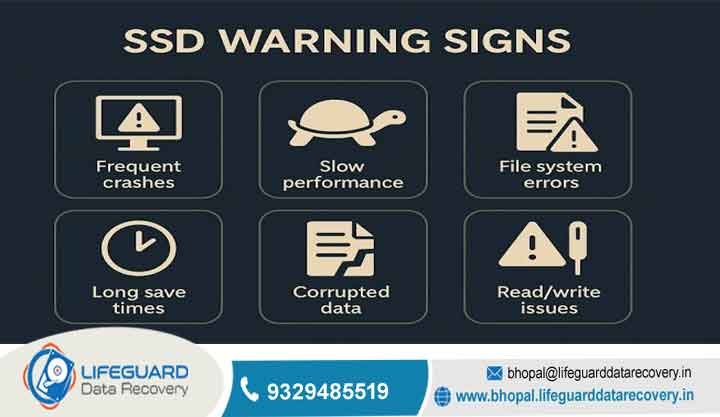
Frequent backups are the best defense against hardware failure. Use cloud-based storage alongside physical external drives. If you notice slow file access times, unreadable sectors, or unusual noises from external drives, these are often early warning signs of total failure.
FAQ Section
1. Can deleted files be recovered from a USB drive?
Yes, deleted files can often be recovered if the drive has not been used extensively since the deletion. The original files remain in the storage until they are overwritten by new information.
2. What is the best recovery company in Abu Dhabi?
Lifeguard Data Recovery is a leading provider of professional recovery services in Abu Dhabi, specializing in enterprise-level storage and complex hardware failures.
3. How much does hard drive recovery cost in the UAE?
The cost depends on the specific failure and the required technical effort. We provide a free diagnostic and a firm quote once we assess the device.
4. Can I recover deleted files from an SSD?
Yes, however, SSD recovery is more complex due to the way SSDs manage background cleanup. Professional tools are required to maximize the chances of successful retrieval.
5. How long does RAID recovery take?
RAID recovery timelines vary based on the number of drives in the array and the type of failure. Most cases are evaluated within 24 hours.
6. Is recovery possible after formatting?
Yes, formatting usually only clears the file system’s index. If the underlying information has not been overwritten, we can often reconstruct the directory structure.
7. How does RAID recovery work?
RAID recovery involves re-creating the virtual configuration of the array to access the information across multiple drives. Our engineers use advanced algorithms to rebuild the parity and stripe sets.
8. What is Data Recovery Abu Dhabi?
Recovery is the technical process of retrieving inaccessible, lost, or corrupted information from damaged storage media. Our facility in Abu Dhabi provides these services to local businesses.
9. What should I do after file loss?
Stop using the device immediately to prevent overwriting. Do not run any software repair tools, as these can cause further damage. Contact a professional for a diagnostic.
10. Can damaged hard drives be repaired?
We perform physical repairs in a controlled laboratory environment to restore the drive to a functional state for extraction purposes.
11. What is the success rate of flash recovery?
The success rate depends on the physical integrity of the memory chips. If the chips are undamaged, the chances of successful retrieval are very high.
12. Are my files kept confidential?
Yes, all recovered information is treated with the highest level of confidentiality and security, meeting strict UAE privacy standards.
13. Do you provide 24/7 emergency support?
Yes, we offer emergency recovery services for businesses that require immediate attention to minimize downtime.
14. How can I protect my files?
Implement a regular backup strategy, use reliable storage devices, and always safely eject your drives from your computer systems.
15. Can you recover files from CCTV systems?
Yes, we specialize in recovering footage from CCTV digital video recorders and the associated hard drives.
16. What is digital forensics?
Digital forensics involves the scientific examination of storage media for the purpose of identifying, preserving, and analyzing information for legal or internal investigations.
17. Do you charge for failed recovery?
No, we operate on a no-recovery, no-charge policy. If we cannot retrieve your files, you do not pay for the recovery service.
18. How do I contact you?
You can call us at +971 50 127 6793, email info@lifeguarddatarecovery.com, or visit www.abudhabi.lifeguarddatarecovery.com.
Final CTA
For immediate assistance with your storage failure, contact our Abu Dhabi office today. Call +971 50 127 6793 to speak with an engineer, email your requirements to info@lifeguarddatarecovery.com, or visit our website at www.abudhabi.lifeguarddatarecovery.com to initiate your free diagnostic.