+971 50 217 6793 Abu Dhabi, UAE info@lifeguarddatarecovery.com

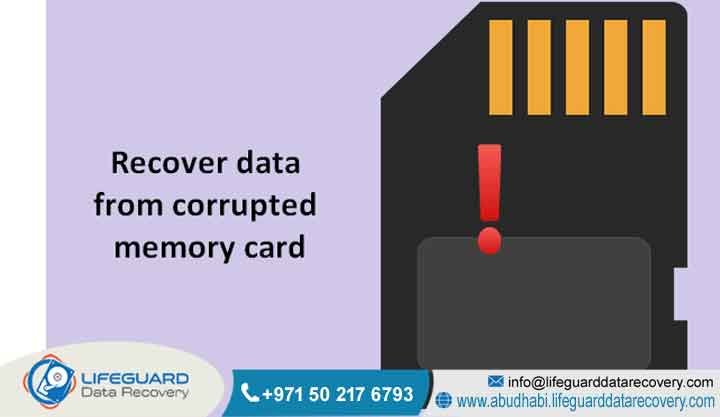
What causes SD card corruption?
SD card corruption typically results from physical damage, power interruptions during read or write cycles, malware, or natural wear of memory cells. When an SD card becomes inaccessible, it is vital to stop using it immediately to prevent further file overwriting. Professional intervention is often required to securely retrieve your files.
Key Facts About Storage Integrity
SD card failure is often categorized into two types: logical and physical. Logical corruption involves issues with the file system or controller software, while physical corruption involves damage to the NAND flash chips or connection pins. Frequent use without proper ejection is a leading contributor to file system errors across all devices.
What Is SD Card Corruption?
SD card corruption is a state where the storage device becomes unreadable, preventing the operating system from accessing stored files or recognizing the card entirely.
Detailed Explanation
This state occurs when the file system mapping becomes invalid or the internal controller fails to communicate with the host device. It can manifest as error messages, missing files, or a request to format the card. In some cases, the memory cells have reached their maximum write limit, leading to permanent hardware instability.
Examples
A camera showing an SD card error message, a computer failing to mount the drive, or files appearing as corrupted symbols.
How Does SD Card Corruption Work?
SD card corruption occurs when information written to the memory cells is incomplete, interrupted, or compromised by hardware failure, rendering the file system unable to organize or read the stored content.
Detailed Explanation
SD cards use flash memory to store information. During a write operation, the card must map information to specific cells. If the power is cut or the card is removed during this process, the mapping table becomes inconsistent. Once this table is broken, the device can no longer locate your files.
Common Causes of Digital Storage Loss
Digital storage devices can lose data for several reasons, ranging from accidental mistakes to hardware failures. Improper ejection of a USB drive or memory card during an active file transfer can corrupt the file system, while power failures or sudden battery drain during a write operation may interrupt the saving process and leave files damaged or inaccessible. Over time, physical wear caused by repeated read and write cycles can reduce the lifespan of flash memory, especially in SSDs, USB flash drives, and memory cards.
Other common causes include static electricity (ESD), which can damage sensitive electronic components, and malware or virus infections that corrupt file headers, encrypt data, or make files unreadable. Controller failure is another frequent issue, where the internal chip responsible for managing communication between the storage device and the computer stops working, preventing access to stored files. At Lifeguard Data Recovery, our specialists use advanced diagnostic tools and professional recovery techniques to restore data from these and many other storage device failures.
Our Recovery Services
Lifeguard provides professional solutions for inaccessible storage. We specialize in logical reconstruction and physical chip-level engineering. Our laboratory in Abu Dhabi is equipped to handle complex failure scenarios where standard software tools fail. We ensure that your sensitive business or personal files are handled with the highest security standards.
Devices We Recover
We support all forms of flash storage, including standard SD cards, microSD, miniSD, and CompactFlash. We also perform specialized recovery for SSD units, NVMe drives, and embedded storage found in professional cameras and mobile devices.
Recovery Process
Step 1: Device Evaluation
Our recovery process begins with a comprehensive, non-invasive evaluation of your storage device. Our engineers identify the cause of data loss, assess the condition of the hardware and file system, and determine the most effective recovery method without causing further damage.
Step 2: Bit-by-Bit Imaging
Once the assessment is complete, we create a sector-by-sector (bit-level) image of the storage device. By working on an exact clone instead of the original media, we eliminate the risk of additional wear or accidental data loss during the recovery process.
Step 3: Logical Data Reconstruction
Using advanced recovery software, proprietary tools, and forensic techniques, our specialists reconstruct damaged partitions, repair corrupted file systems, and recover deleted or inaccessible files. This step is designed to maximize the recovery of documents, photos, videos, databases, emails, and other valuable data.
Step 4: File Verification and Secure Delivery
Before returning your data, we carefully verify the integrity and accessibility of every recovered file. After successful verification, the recovered data is securely copied to a new storage device or your preferred media, ensuring your files are complete, organized, and ready for immediate use.
How Long Does Recovery Take?
Short Answer
Standard logical recovery typically takes 24 to 48 hours, while complex physical recovery requiring clean-room intervention may take three to five business days.
Detailed Explanation
The timeline depends on the level of damage. Simple file system errors are resolved quickly. If the NAND chip requires physical extraction and re-reading, the process is more labor-intensive to ensure maximum success rates. We prioritize emergency cases for enterprise clients.
How Much Does Recovery Cost?
Recovery costs are determined based on the specific failure type, the required hardware intervention, and the urgency of the request.
Detailed Explanation
Because every storage failure is unique, we provide a customized assessment. We focus on transparent communication regarding the complexity of the repair. Our professional process ensures that you only proceed once you understand the technical requirements and the recovery path for your specific device.
What Impacts Recovery Success?
The primary factor is the state of the memory cells. If the user continues to use the card after realizing it is corrupted, the likelihood of overwriting lost information increases significantly. Using improper software tools to force a repair can also cause irreversible damage to the underlying file structure.
Why Businesses Choose Lifeguard
We offer enterprise-grade security and confidentiality. Our lab in Abu Dhabi follows strict professional protocols, making us the preferred choice for companies across the UAE. We provide consistent updates throughout the process and utilize clean-room environments to handle sensitive hardware issues.
Industries We Serve
We support a wide array of sectors, including media and production, legal, healthcare, engineering, and corporate finance. Whether you are dealing with critical surveillance footage or essential corporate documentation, our team provides tailored solutions for your storage challenges.
UAE Coverage
We provide comprehensive services to clients across all seven emirates: Abu Dhabi, Dubai, Sharjah, Ajman, Ras Al Khaimah, Fujairah, and Umm Al Quwain. Our logistics network ensures secure handling of your storage media throughout the recovery process within the UAE.
Case Study
Case Study 1: SD Card Controller Failure Recovery
Problem:
A professional photographer in Abu Dhabi experienced a sudden failure of a high-capacity SD card while covering a major event. The memory card became unreadable, leaving thousands of valuable photos inaccessible.
Cause:
A voltage fluctuation damaged the SD card’s controller chip, preventing the computer and camera from communicating with the flash memory.
Recovery Process:
Our engineers performed an advanced chip-off recovery by carefully removing the NAND flash memory from the damaged SD card. Using specialized hardware and proprietary recovery tools, we bypassed the failed controller, reconstructed the file system, and restored the original folder structure.
Outcome:
We successfully recovered 100% of the event photographs, including high-resolution RAW images, JPEG files, and client deliverables.
Business Impact:
The photographer delivered the complete event gallery on schedule, avoided financial losses, and preserved their professional reputation with the client.
Case Study 2: Corrupted Memory Card Recovery for a Videographer
Problem:
A freelance videographer in Abu Dhabi lost access to a memory card containing 4K wedding videos after the recording stopped unexpectedly during the event.
Cause:
The SD card’s file system became corrupted following an unexpected power interruption while video files were still being written.
Recovery Process:
Our specialists created a forensic image of the memory card and performed advanced file system reconstruction to recover the damaged video files without altering the original media.
Outcome:
More than 99% of the recorded videos were successfully restored, including the ceremony, reception, and client interviews.
Business Impact:
The videographer completed the client’s project on time, avoided expensive reshoots, and maintained customer trust and business credibility.
Expert Tips
-
Always use the Safely Remove Hardware option.
-
Keep storage media in a protective case away from moisture and dust.
-
Avoid using the card when you notice slow write speeds.
-
Maintain at least two copies of important files on different media types.
Final CTA
For professional assistance with your storage needs, call +971 50 127 6793 or email info@lifeguarddatarecovery.com. You can also visit our website at www.abudhabi.lifeguarddatarecovery.com to initiate your free assessment today.