+971 50 217 6793 Abu Dhabi, UAE info@lifeguarddatarecovery.com

How much does 1 TB of data cost?
How Much Does 1 TB of Data Cost Storage vs. Data Recovery Pricing Guide When people ask “how much does 1 TB of data cost?”, the actual answer depends on a lot of things. Are you just trying to buy space to store your files, or are you stressing out trying to save photos and documents from a broken drive?
lifeguard datarecovery Right now, buying 1 TB of space is super cheap. You can easily grab a brand-new 1 TB external hard drive for around Cloud services like Google One, Microsoft OneDrive, or Dropbox are also pretty affordable, costing about 0 to every year.
But if that drive suddenly breaks and your photos, videos, or work files vanish, the hard drive recovery cost gets way higher. Getting your data back from a dead 1 TB drive can cost anywhere from for simple glitches to well over if a specialist needs to rebuild it in a specialized lab.
This comprehensive guide will walk you through what you will actually pay for 1 TB data recovery, why prices change so much across different devices, and how to make sure you do not get ripped off when your storage fails.
How Much Does TB Data Recovery Cost on Average
Data recovery shops don’t really have one flat rate for everything. The 1 TB data recovery cost mostly depends on how badly your drive is damaged and what kind of tools are required to extract the files.
When you send a drive to a lab, technicians usually place your problem into one of three general repair categories or tiers:
1 TB Logical Data Recovery Cost (Software & Corruption Issues)
With logical issues, your drive is still physically healthy and spinning fine. The mechanical parts work like normal, and there are no strange grinding or scraping sounds coming from the casing. The problem is inside the file system software like if you accidentally hit erase, a virus scrambled your file paths, or your laptop keeps showing error messages like “you need to format disk before use”.
Since nobody needs to open up the drive or buy spare replacement parts, the cost to recover 1 TB of data for logical problems is usually the cheapest option. Technicians simply hook your drive up to an isolated machine, make a bit-by-bit clone of the drive to protect your original files, and run deep scanning software to rebuild the missing directory structure. This work usually costs between $300 and $1,000 depending on how long the software takes to parse the damaged structure.
TB Physical & Mechanical Hardware Recovery Cost
Now, if your drive dropped on the floor, got fried by an electrical power surge, or just died of old age, the 1 TB hard drive data recovery price goes up a lot. Mechanical failures mean the physical components inside the drive are broken or no longer working in harmony.
In these situations, engineers have to take the drive apart inside a special dust-free environment. The professional
hard drive recovery price here covers complex physical repair labor, micro-soldering electronic boards, replacing broken components, and buying an identical matching “donor” drive just to harvest its working internal parts.
Because this work requires manual effort under surgical microscopes by trained specialists, physical recovery typically starts at and can quickly push past $2,500 for complicated cases.
TB Recovery Costs by Device Type HDD vs. SSD vs. Cloud
How your storage device was built changes how technicians extract your files, which ends up shifting the overall 1 TB storage data recovery price. A mechanical hard drive built ten years ago operates completely differently from a modern high-speed solid-state drive.
TB External Hard Drive Recovery Price (HDD)
Old-school external hard drives have tiny spinning magnetic disks (platters) inside that rotate thousands of times per minute. A tiny mechanical arm floats micro-inches above these platters to read and write your files. When an external HDD breaks down, it’s usually a physical mechanical issue—like the reader arm crashing directly onto the platter surface, which produces that terrifying metallic clicking noise.
TB data recovery services for HDDs mean finding an exact matching donor drive from the same production batch to swap out damaged read/write head assemblies. Because of this, the final price fluctuates based on how rare or old your specific HDD model is. Common desktop external drives are usually easier to find parts for, while custom portable or older drive models might require searching secondary markets for rare donor drives, adding to the total bill.
TB Solid-State Drive Recovery Price (SATA & NVMe SSD)
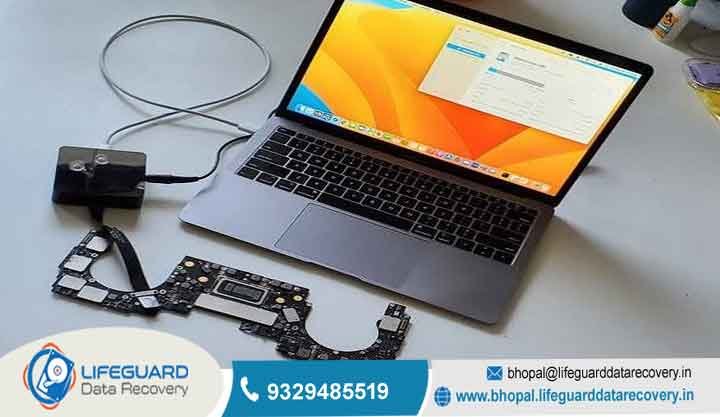
SSDs are completely different because they don’t have moving mechanical parts inside; they store everything on tiny silicon memory chips (NAND flash). You might think having no moving parts makes them easier to fix, but the professional data recovery cost for 1 TB on an SSD is often higher than a normal hard drive.
When an SSD controller chip fails or electrical damage hits the board, technicians cannot simply swap a mechanical arm.
They often have to desolder every single individual NAND flash memory chip from the circuit board, read them one by one using specialized chip programmers, and manually reconstruct the raw data using custom mathematical algorithms.
Plus, recovering erased files on SSDs is super tricky because of a built-in background feature called “TRIM”. The TRIM command automatically clears out deleted data blocks in the background to keep the SSD running fast, which means once files are deleted from an active SSD, they can vanish permanently within minutes.
TB Cloud Storage & Server Data Recovery
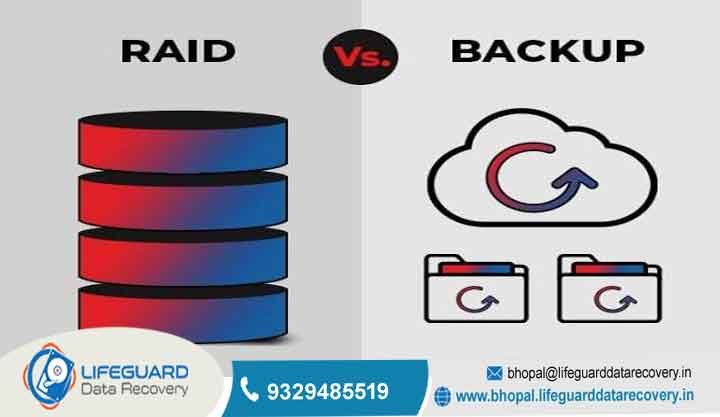
If a workplace storage box (like a NAS drive setup) or an enterprise cloud server fails, fixing it means piecing back together a “RAID” array spread across multiple hard drives. RAID systems break files into fragments and split them across three, four, or more drives to boost performance and protect against single-disk failures.
However, when multiple drives in an array fail at the same time, or when the RAID controller card gets corrupted, the recovery becomes a complex puzzle. Engineers have to rebuild all those scattered file pieces manually in the correct sequence. Because of the sheer technical difficulty and server hardware involved, server and cloud-level recovery jobs usually start around $1,500 and go up quickly from there.
Why Is Recovering TB Expensive? Key Factors That Drive Up Price
A lot of folks get shocked when they receive their first laboratory estimate. Understanding the engineering reality behind disk repair makes it easier to see why the cost of recovering 1 TB hard drive can feel so steep.
Cause of Data Loss: Logical vs. Physical Failure
The huge jump from a $300 bill to a $2,000 bill comes down to whether someone has to physically open the drive casing. Software fixes mostly rely on automated cloning equipment and deep scanning utilities once a stable sector image is saved.
Physical repairs, on the other hand, require a human engineer to sit at a bench for hours. They must carefully align delicate components, clean platter surfaces, repair damaged firmware modules, and bypass bad sectors one by one. You are paying for specialized labor hours rather than simple computer automated processing time.
The Myth of “Cost Per Gigabyte Capacity vs. Labor Hours
A very common misunderstanding is thinking data recovery cost per TB depends on how many files you actually stored on the device. People often assume that saving 20 GB of family photos off a 1 TB drive should be significantly cheaper than recovering a full 900 GB of video files.
In reality, labs charge based on the total drive capacity and the labor time it takes to make the physical hardware stable enough to read. Cloning a failing 1 TB drive requires scanning through all one trillion bytes of physical space to extract healthy data blocks. The scanning and imaging process takes the exact same amount of time and effort whether your drive is almost empty or completely full.
Cleanroom Facilities, Donor Parts, and Specialized Tools
Inside a hard drive, the distance between the read/write head and the spinning magnetic platter is smaller than a single grain of dust or smoke particle. If a technician opens a drive in a normal room, dust particles floating in the air will land on the platter surface and cause immediate, permanent damage the second the disk spins up.
Because of this, physical drives must be opened inside certified Class 100 cleanrooms where air filtration systems clear out almost all microscopic airborne particles. Maintaining these high-tech cleanroom labs is extremely expensive. Furthermore, labs must invest tens of thousands of dollars in proprietary hardware diagnostic tools (like PC-3000 workstations) and keep thousands of working donor drives in stock just to harvest matching replacement components.
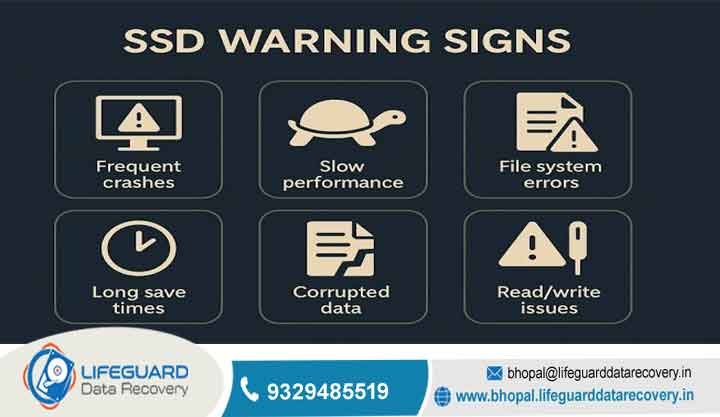
Signs Your TB Drive is Failing (And How to Prevent Incurring High Costs)
Spotting warning signs early gives you time to copy your important files before the drive dies completely, saving you from paying a heavy 1 TB lost data recovery cost.
Mechanical & Hardware Warning Symptoms
Loud Clicking or Scraping: Audible clicking, ticking, grinding, or buzzing sounds coming from inside the drive casing. This usually means the read heads are hitting physical limits or touching the platters.
Power Cycles: The drive starts spinning for a few seconds, makes a soft click, and then shuts right off automatically.
Unrecognized Device: Your computer fails to detect the drive completely, or shows it as an uninitialized disk with zero capacity in system settings.
Burning Smell or Hot Casing: The drive enclosure gets excessively hot to the touch or smells faintly of burnt plastic, indicating an electrical component short on the controller board.
Logical Corruption Warning Symptoms
Format Warnings: Your computer pops up sudden error messages like “You need to format the disk in drive X: before you can use it.”
Missing Files: Files and folders randomly disappear, or file names turn into strange symbols and unopenable formats.
Extremely Slow Access: Opening a folder or copying a small document takes several minutes, or causes file explorer windows to freeze and crash.
RAW File System Error: The drive partition changes its file system format from NTFS/FAT32/APFS to “RAW” in disk management tools.
What to Do When You Lose 1 TB of Data
When your drive breaks down, doing the right things right away determines whether you get your files back safely or destroy them forever
Unplug the Failing Drive Immediately
If you hear any weird clicking or grinding noises, pull the USB cable or power connection right away. Every single time a broken mechanical reader head sweeps across a spinning magnetic platter, it scrapes off the magnetic coating, turning your actual data into dust and making recovery impossible. On solid-state drives, leaving power connected allows internal background garbage collection and TRIM routines to permanently overwrite deleted file blocks.
Check if DIY Recovery Software is Safe to Use
You should only try running DIY recovery software if you are 100% sure the drive is physically fine. For example, if you accidentally emptied your recycle bin or formatted a flash drive that operates quietly and smoothly, software tools can be a safe and budget-friendly choice.
However, never run recovery software on a drive that is clicking, freezing your computer, or physically degrading. Recovery programs perform intense read operations that stress the hardware, which will quickly cause a weak drive to fail completely during the scan.
Get a Professional Lab Evaluation & Quote
Reach out to a reputable data recovery facility to request an initial diagnostic evaluation. For those looking for affordable data recovery for 1 TB, many trusted labs offer free inbound shipping and no-cost initial diagnostics. This allows technicians to test the device with hardware imaging equipment so they can give you an exact, firm price quote before you commit any money.
Make Sure They Have a “No Data, No Fee” Guarantee
Always hire professional data recovery services that explicitly offer a “No Data, No Fee” policy. This contract guarantee ensures that if the lab cannot retrieve your essential targeted files due to severe platter scratch damage or encrypted controller failure, you won’t be charged the full recovery repair fee.
How to Avoid Data Recovery Fees Prevention Tips
The single best way to protect your budget from expensive emergency recovery bills is setting up automated backup routines before hardware issues occur.
Drive Health Monitoring (S.M.A.R.T. Checks)
Modern storage drives constantly record their own internal operational health using S.M.A.R.T. (Self-Monitoring, Analysis, and Reporting Technology) metrics. You can download free diagnostic software tools like CrystalDiskInfo for Windows or DriveDx for macOS to check your drive’s health status. These tools track reallocated sector counts, drive temperatures, and read error rates, alerting you to hardware degradation weeks before the drive officially dies.
Frequently Asked Questions (FAQs)
Can I recover 1 TB of data for free using software?
Yes, but only if it’s a minor logical issue like accidental file deletion on a physically healthy drive. However, almost all “free” recovery software utilities have strict data caps, usually letting you recover only 500 MB to 2 GB for free before requiring you to buy a paid license (which typically costs $50 to $100). Attempting to run software on a physically damaged or clicking drive will permanently ruin your chances of getting files back.
Does data recovery cost more for 1 TB compared to 500 GB?
Usually yes, but not by a massive margin. Even if the physical damage on two drives is identical, scanning and cloning a 1 TB drive takes roughly twice as long as a 500 GB drive. That extra machine processing time, bench time, and storage space required for raw image clones makes the base lab fee slightly higher for larger capacities.
How long does it take to recover 1 TB of data?
On average, standard lab recovery timelines take between 5 and 10 business days. This timeline includes running initial hardware diagnostics, sourcing matching donor components, performing physical micro-repairs, imaging bad sectors, and verifying the recovered file tree. Most facilities also offer emergency rush options that can complete the process in 24 to 48 hours, though these rush services carry significant extra fees.
Why do some data recovery labs charge an evaluation fee?
Some shops charge a non-refundable upfront diagnostic fee to cover the technician’s time and lab resources required to inspect the drive and identify broken parts. However, because the industry is competitive, many top-tier labs now waive this diagnostic fee entirely, offering free evaluations along with free return shipping if you choose not to proceed with repairs.