+971 50 217 6793 Abu Dhabi, UAE info@lifeguarddatarecovery.com


Can CCTV footage be recovered?
Can CCTV Footage Be Recovered (Yes, But Only If You Act Fast) Losing vital surveillance video whether due to accidental deletion, disk initialization, hardware failure, or automated loop overwrites can cripple an ongoing investigation, derail insurance claims, or compromise legal proceedings. When crucial security incidents occur, securing the raw video file is often the single most important objective.
lifeguard datarecovery The short answer to the core question is yes, CCTV footage can frequently be recovered. However, your window of opportunity shrinks with every passing second. Because digital video recorders are designed to stream continuous video 24 hours a day, 7 days a week, their storage media operate in a perpetual state of writing and overwriting. Data retention is a direct race against time.
What Determines If CCTV Footage Is Recoverable?
When a video file is erased, deleted, or cleared from a Digital Video Recorder (DVR) or Network Video Recorder (NVR), the underlying binary video data does not magically vanish from the physical storage platter. Instead, the recorder simply removes the file’s index pointer and marks those specific sectors as unallocated space.
Until new video streams write directly over those unallocated sectors, the original video bytes remain physically present on the hard drive. Recovery feasibility hinges on four main technical variables:
Physical Overwrite Status: Has the recorder written new video over the exact physical sectors where the old footage resided? Once new binary data replaces old data at the sector level, physical data recovery becomes virtually impossible.
Hard Drive Physical Health: Is the storage drive fully operational, or is it suffering from mechanical failures, head crashes, firmware corruption, or bad sector clusters?
Storage Technology Architecture: Traditional surveillance-grade HDDs handle erased blocks differently than Solid-State Drives (SSDs). SSDs utilize background garbage collection and TRIM commands that can wipe unallocated blocks permanently within minutes.
Time Elapsed Since Incident: The longer the surveillance recorder remains powered on, the higher the probability that continuous recording loops will overwrite the target sectors.
Crucial First Action: Disconnect the power source from your DVR/NVR system immediately. Leaving the unit powered on allows continuous recording loops to write over deleted sectors continuously.
Why CCTV Systems Store and Overwrite Data Differently
To understand why CCTV data recovery requires specialized techniques, you must look at how surveillance storage differs from everyday desktop or mobile computing.
Unlike desktop PCs running standard file systems (such as NTFS, FAT32, or APFS), surveillance recorders typically use customized Linux-based file systems (such as ext3, ext4, JFS, or XFS) combined with proprietary raw streaming formats.
Circular Loop Recording
Surveillance recorders operate using a continuous allocation system known as circular loop recording. When a hard drive reaches its maximum storage capacity (e.g., 4 TB), the recorder’s operating system does not stop recording or prompt the user for drive maintenance. Instead, it loops back to the very first sectors of the disk, automatically overwriting the oldest saved files to make room for new incoming footage.
Non-Standard File Structures and Codecs
Surveillance systems split continuous video streams into fragmented block units across the disk drives to minimize system latency and maximize multi-channel write efficiency. Conventional consumer data recovery software usually fails on CCTV drives because it cannot recognize these non-standard file signatures or reassemble fragmented video chunks.
Main Causes of Lost or Inaccessible CCTV Video
Identifying the exact root cause of data loss is essential for picking the correct recovery procedure:
User Error & Accidental System Formatting: Operating system initialization, accidental partition deletion, or system resets performed during routine maintenance.
Automatic Overwrite (Loop Retention Rules): Pre-programmed data retention periods (e.g., 7, 14, or 30 days) expiring, causing the system’s automated background script to recycle drive space.
Mechanical Drive Failures: Surveillance hard drives experience extreme thermal and mechanical wear. Over time, spindle motors seize, read/write heads crash onto platters, or bad sectors proliferate.
Power Disruptions and File System Corruption: Unexpected power loss, electrical surges, or improper shutdowns while the recorder is actively updating index allocation tables can render entire volumes unreadable or “RAW.”
Physical Damage and Disasters: Water damage, structure fires, vandal tampering, or physical theft of external enclosures.
The Technical Reality of Overwritten Footage
Logical Deletion vs. Physical Overwriting
Logical Deletion: When you manually delete a clip or clear an event log, the system removes the reference pointer in the master index table. The actual raw video data remains 100% intact on the drive platters. Recovery rates in this stage are very high.
Once physical sector overwriting occurs, no commercial software, forensic laboratory, or specialized magnetic force microscope can reliably reconstruct original video files. Modern hard drives write data at extremely high densities; once magnetic charges are flipped by a new write pass, the previous state is permanently erased. However, if a drive was only partially overwritten, forensic specialists can often salvage un-overwritten fragments from the drive’s slack space and unallocated sectors.
Restore from Cloud Archives or Secondary Exports
If your system utilizes cloud backups, automated offsite FTP syncs, or mirrored storage pools, access your administration dashboard before attempting local drive extraction. Cloud repositories operate on independent retention schedules isolated from local DVR hard drive loops.
Check Local DVR/NVR Internal Management Recycles
Modern enterprise NVR operating systems often maintain a secondary logical partition or internal “Trash Bin” for manual deletions.
Access the main system administration interface using your master credentials.
Navigate to Storage Management or Event Logs.
Conduct a Read-Only Scan Using Data Recovery Tools
Isolate the Hard Drive: Remove the target hard drive from the DVR/NVR and connect it to a PC using a write-blocked SATA-to-USB docking station.
Create a Bit-Stream Disk Image: Never perform recovery scans directly on the original drive. Use forensic imaging software to generate a byte-for-byte image copy This preserves the original media in its exact state.
Scan the Image File: Run raw sector signature carving on the cloned image using specialized CCTV video recovery software capable of parsing Linux partitions and raw streams.
Rebuild Raw Video Streams: Extract raw binary streams and transcode them into standard playable containers like
If you encounter raw file system structures, bad sectors, or unreadable partitions during DIY software extractions, professional assistance guarantees high recovery success rates. Explore our specialized Professional CCTV Data Recovery Service to safely extract critical video evidence without risking permanent data loss.
Send the Drive to an ISO-Certified Cleanroom Data Recovery Lab
When drives display mechanical faults—such as loud clicking, grinding, electrical short circuits, or platter degradatio software attempts will destroy the media completely. Forensic cleanroom labs operate in class-100 sterile environments. Micro-engineers unmount magnetic platters, replace damaged head assemblies, repair corrupted firmware modules, and extract raw binary images directly from the drive hardware.
Legal Considerations and Evidence Integrity
When recovering CCTV footage for legal disputes, police investigations, or insurance claims, strictly maintaining the Chain of Custody is essential. Courts may reject video evidence if its authenticity or integrity is compromised during extraction.
Avoid Modifying System Metadata: Operating software directly on original drives updates file access timestamps, which can render evidence inadmissible in court.
Document Every Step: Keep detailed logs of who handled the hardware, the software tools used, and the exact timestamps of extraction operations.
How to Prevent Future CCTV Data Loss
Preventative technical measures ensure that critical security video remains safe from drive failure or accidental deletion:
Deploy Surveillance-Grade Hard Drives: Never use standard desktop hard drives in security recorders. Install surveillance-optimized drives (such as Western Digital Purple or Seagate SkyHawk) built for 24/7 continuous writing cycles, vibration resistance, and thermal endurance.
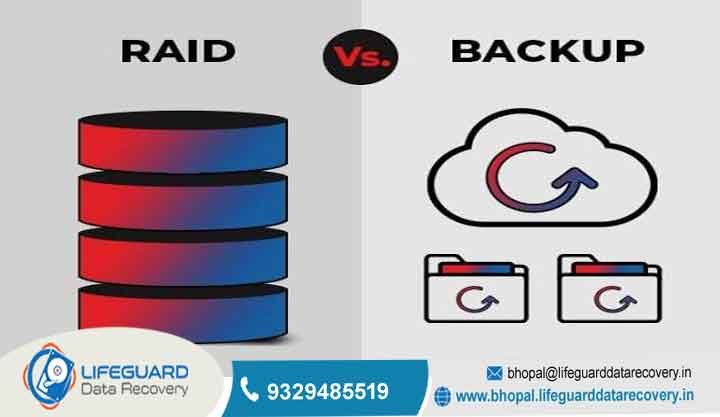
Implement Hardware RAID Redundancy: Utilize NVR units configured with RAID 1 (mirroring) or RAID 5/6 (striping with parity). If a single hard drive suffers total mechanical failure, the system continues running without losing a single frame.
Configure Event-Driven and Motion Recording: Reduce disk wear and extend retention windows by setting high-resolution recording to trigger only when motion or sensor alerts occur, while keeping continuous baseline feeds at lower bitrates.
Establish Offsite Cloud Mirroring: Configure automatic real-time uploads of event clips to secure offsite cloud storage. This ensures critical evidence survives local hardware theft, physical destruction, or power loss incidents.
Frequently Asked Questions (FAQs)
1. Can overwritten CCTV footage be recovered?
Once new video data physically overwrites existing disk sectors at the byte level, standard recovery tools cannot restore the original video. However, if only part of the drive was written over, unwritten video fragments can often be salvaged from unallocated space.
2. How long does deleted CCTV footage remain recoverable?
Recovery feasibility depends on drive capacity, number of connected cameras, frame rates, and recording resolution rather than a set number of days. Systems with high bitrates overwrite unallocated sectors much faster.
3. Can I recover deleted surveillance videos from a micro SD card?
Yes. Micro SD cards used in edge security cameras or smart home systems can be scanned via a computer card reader. You must remove the card immediately to prevent the camera’s loop software from overwriting deleted sectors.
4. Will standard PC data recovery software work on a DVR hard drive?
Standard consumer recovery tools typically struggle with DVR drives. Surveillance systems use custom Linux partitions and non-standard video streams , requiring specialized recovery software capable of raw sector signature carving.
5. How much does professional CCTV data recovery cost?
Costs vary based on whether the data loss is due to logical corruption or physical mechanical failure. Logical extractions generally cost less, whereas physical cleanroom lab repairs require specialized hardware and micro-engineering expertise.