+971 50 217 6793 Abu Dhabi, UAE info@lifeguarddatarecovery.com
NVMe SSD Data Recovery
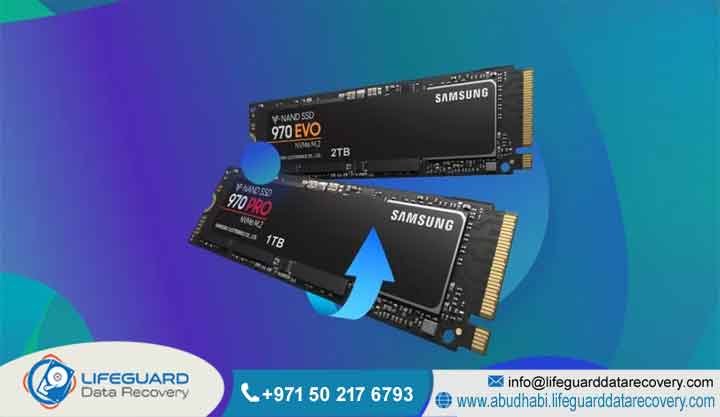
Lifeguard Data Recovery provides professional NVMe SSD data recovery services in Abu Dhabi and across the UAE for failed, corrupted, physically damaged, or encrypted solid-state drives. NVMe SSD data recovery is the specialized process of retrieving inaccessible digital information from Non-Volatile Memory Express storage media, including M.2, PCIe, and U.2 form factors.
Utilizing advanced hardware emulators, custom firmware repair protocols, and Class-100 cleanroom facilities, our engineering specialists bypass controller failures, reconstruct damaged flash translation layers, and extract critical corporate or personal records. We handle severe logical errors, electronic damage, and flash media degradation while maintaining full data integrity and security compliance.
When your drive goes dark, you need answers fast. Think of it this way: standard recovery tools just cannot handle the high-speed processing of an NVMe drive. That is why our Abu Dhabi lab uses advanced hardware tools to talk directly to the silicon chips.
We pull data from dead controllers, repair broken firmware, and fix fried circuits everyday. We make sure your business records and sensitive database files are recovered safely without cutting corners on data privacy laws.
Who is Lifeguard Data Recovery?
Lifeguard Data Recovery is an established, high-tier laboratory specialized in retrieving critical digital assets from complex data storage architectures throughout the United Arab Emirates. Based in Abu Dhabi, our laboratory bridges the gap between sophisticated hardware engineering and cyber-forensic investigation.
Over the years, we have positioned ourselves as the premier technical authority for government bodies, multinational enterprises, defense contractors, and financial institutions requiring certified data retrieval operations.
We started with a simple goal: solving the data storage issues that regular IT shops turn away. When a solid-state drive crashes, it is not like an old mechanical drive with spinning parts. It takes deep engineering knowledge to repair. Our Abu Dhabi lab is packed with custom terminal software, physical chip programmers, and advanced diagnostic gear. This lets our engineers work directly on the core components of micro-electronic hardware without causing extra damage.
Our enterprise infrastructure features specialized cleanroom environments designed to eliminate microscopic particulate contamination during physical chip-off procedures and circuit manipulation. Unlike standard IT repair centers that rely solely on commercially available consumer software, Lifeguard Data Recovery invests heavily in proprietary hardware tools, flash memory programmers, and firmware reconstruction systems.
This deep engineering capability allows us to interface directly with unstable solid-state memory controllers and corrupted flash translation layers, achieving success rates where other facilities declare data completely unrecoverable.
In the real world, data recovery requires a perfect blend of a clean environment and raw engineering skill. If a technician opens a flash drive in a regular room, dust can ruin the delicate electronic traces instantly.
That is why our cleanroom workspaces stay perfectly balanced and filtered. We can disorder deep-level flash components, fix burned controller boards, and manually patch drive microcode. This hands-on lab approach ensures we can rescue files from systems that seem completely lost.
Why UAE Businesses Choose Lifeguard Data Recovery
Enterprise entities within the United Arab Emirates operate under strict data compliance mandates and require unprecedented operational uptime. Lifeguard Data Recovery addresses these critical operational needs by offering highly secure, accurate, and rapid recovery interventions. When a critical database server or executive workstation fails, local businesses choose us because we mitigate both financial risk and technical uncertainty through transparent workflows.
We know how stressful data loss can be for a business owner. One minute your system is fine, and the next, your entire database is gone. That is why we keep our recovery workflow open and clear. You will get a detailed report explaining exactly what went wrong and what we can save before you agree to any costs. This open style removes the guesswork, allowing your management team to plan their next steps with confidence.
No two corporate recovery jobs are exactly the same. Whether you are running a financial office in Dubai or a manufacturing site in Sharjah, your data needs to be kept completely secure.
We use isolated networks that never touch the public internet, ensuring your company records stay completely safe from external threats. Plus, our quick pickup network across the seven emirates means we can collect your failed drives and start the recovery process within hours.
Comprehensive Data Recovery Services We Offer
Lifeguard Data Recovery delivers comprehensive data extraction solutions engineered to address failures across a diverse range of enterprise and consumer storage architectures.
Hard Drive Recovery: We perform advanced engineering work on traditional mechanical drives, resolving issues such as seized spindle motors, failed read-write head assemblies, bad sectors, and damaged preamplifier circuits within our certified cleanroom environment.
SSD Recovery: Our specialists navigate the intricate firmware, flash controller, and NAND configurations unique to solid-state storage media, ensuring data retrieval from corrupted, formatted, or electrically shorted drives.
RAID Recovery: We reconstruct failed multi-drive configurations, including RAID 0, RAID 1, RAID 5, RAID 6, and RAID 10, overcoming multiple simultaneous drive failures, controller malfunctions, and configuration loss without compromising structural volume integrity.
Server Recovery: Our team specializes in restoring active corporate directory files, databases, and critical application infrastructures from failed physical or virtual server networks, including VMware, Hyper-V, and enterprise Linux systems.
NAS Recovery: We target file system corruption, network controller issues, and multi-disk drive degradation across network-attached storage units from major manufacturers, bringing complex network storage pools back online.
CCTV Recovery: We extract and verify encrypted video streams and critical surveillance recordings from proprietary file systems, DVRs, and NVRs following hardware damage, intentional deletion, or water exposure.
Digital Forensics: Our laboratory conducts certified, chain-of-custody forensic investigations to recover, preserve, and document admissible digital evidence for corporate litigation, compliance audits, and law enforcement applications.
Ransomware Recovery: We assist companies affected by cyberattacks by analyzing encrypted volumes, isolating malware artifacts, repairing sabotaged file systems, and applying advanced low-level carving methodologies to safely extract uncorrupted data remnants.
Specialized NVMe and M.2 SSD Data Recovery
Standard SATA-based solid-state drives share common diagnostic profiles, but modern NVMe storage protocols present unique engineering challenges due to their direct integration with the high-speed PCIe bus architecture. Our specialized NVMe and M.2 SSD data recovery services are tailormade to address these complexities.
When an NVMe drive undergoes a sudden electrical surge, a controller crash, or unexpected firmware degradation, it requires hardware emulators capable of matching the extreme processing speeds and intricate internal instruction queues of the NVMe specification.
Think of an NVMe drive as a super-fast highway for data. When that highway crashes, standard recovery software just gets stuck in a loop. Our team handles these scenarios by connecting directly to the controller microcode. We can isolate bad sectors, bypass internal loop errors, and stabilize the hardware so it can communicate with our tools. This specialized access allows us to pull your critical files safely, even if the drive cannot boot up on a normal computer.
Our engineers use state-of-the-art physical interface boards to intercept communication channels directly between the NAND flash chips and the onboard microprocessors. We bypass standard host communication limitations to rebuild broken Flash Translation Layer tables, handle localized block corruption,
By rebuilding the drive’s internal translation map, we can read the raw data blocks directly from the storage chips. This process allows us to salvage your files with complete precision, even from badly burnt drives.
Which NVMe SSD Devices and Brands We Recover
Lifeguard Data Recovery supports an expansive array of solid-state hardware manufacturers, physical form factors, and device interfaces used throughout corporate offices and consumer environments in the UAE.
Supported Brands: We consistently recover data from top-tier brands including Samsung (980 Pro, 990 Pro, EVO Series), Western Digital (WD Black SN850X, Blue, SanDisk Professional), Kingston (KC3000, NV2), Crucial (T500, P5 Plus), Sabrient Rocket, Seagate Fire Coda, Corsair Force Series, Intel Octane, and Toshiba/Knoxian enterprise modules.
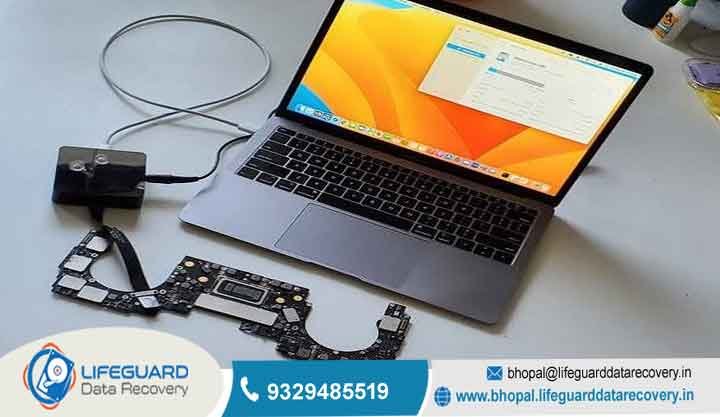
Form Factors and Interfaces: Our technical capabilities extend across M.2 2280, 2242, 2230 variants, PCIe Add-In Cards (AIC), U.2, U.3, and specialized proprietary NVMe modules found within Apple MacBook, Mac Studio, and iMac logic boards.
Controller Architectures: We regularly bypass and reconstruct firmware configurations on controllers manufactured by Phi son, Silicon Motion, Marvell, Samsung Polaris/Elpis, and WD/SanDisk in-house processors, ensuring complete compatibility regardless of the underlying hardware layout.
The truth is, every manufacturer builds their solid-state drives a bit differently. A Samsung drive handles data layout completely differently than a drive with a Phi son controller. Our engineers spend years studying these unique brand differences,
Common NVMe SSD Data Loss Situations
Understanding the symptoms and root causes of NVMe solid-state failure helps corporate IT teams and consumers determine exactly when to seek immediate professional intervention.
Sudden Controller Failure: The controller chip acts as the brain of the NVMe drive. High operating temperatures or manufacturing defects can cause the controller to stop responding entirely, rendering the drive completely invisible to the system BIOS or listing it with a capacity of 0 bytes.
Firmware Corruption: NVMe drives execute highly intricate internal code to manage wear leveling and data placement. If a power disruption occurs while this metadata is being written, the firmware can enter a panic state loop, preventing regular boot sequences.
Electronic Overstress and Power Surges: Fluctuations in voltage can easily destroy the highly sensitive capacitors, resistors, and power management integrated circuits on an M.2 circuit board, blocking power distribution to the NAND memory components.
Thermal Throttling and Heat Damage: High-performance NVMe drives generate substantial heat. In poorly ventilated enclosures, server racks, or compact laptops, prolonged thermal stress can lead to solder joint degradation and direct silicon breakdown.
How Our NVMe SSD Recovery Process Works
To maximize data extraction rates from highly sensitive NVMe storage devices, Lifeguard Data Recovery implements a systematic, step-by-step engineering process that aligns with strict technical standards.
Phase 1: Safe Ingestion and Physical Diagnostic Evaluation Upon receiving the failed NVMe drive at our Abu Dhabi facility, engineers conduct a microscopic inspection of the circuit board to check for cracked components, burned traces, or fluid exposure.
Phase 2: Firmware Stabilization and Read/Write Modification If the drive is suffering from internal controller firmware lock, we utilize specialized hardware tools to place the drive into a safe kernel mode. This step allows us to bypass regular initialization routines, disable the destructive background processes like automatic wear leveling, and repair corrupted internal translation tables directly within the drive RAM.
Phase 3: Logical Reconstruction and File System Assembly The acquired raw binary clone is transferred to an isolated, highly secure forensic workstation. Our engineers then analyze the raw image file, reconstruct fragmented directories, repair broken file systems (such as NTFS, APFS, EXT4, or exFAT), and decrypt volumes where authorized corporate keys are provided.
Think of this process as a delicate medical operation for your business data. We never test solutions directly on your original failing drive because that could ruin the storage chips forever. Every step we take is planned out to keep the hardware as stable as possible while we pull a perfect bit-by-bit copy of the raw memory. Once we have that safe copy secured on our lab servers, we can take our time rebuilding your folder structures and checking your files without risking the original device.
Estimated Data Recovery Timeframes
Data loss scenarios vary significantly in complexity, which directly affects the time required to complete a successful recovery operation. Lifeguard Data Recovery provides distinct service levels designed to meet both urgent enterprise needs and standard budgetary requirements.
Standard Recovery Service: Completed within 3 to 5 business days. This timeframe is ideal for routine failures, logical corruptions, and standard drive stabilization situations where data is needed but the system is not actively halting critical daily operations.
Express Recovery Service: Completed within 1 to 2 business days. We prioritize the failed media on our diagnostic benches, utilizing continuous automated imaging loops to accelerate extraction from drives containing non-critical physical defects or mild firmware bugs.
Emergency Recovery Service: Continuous 24/7 engineering work, often completed in less than 24 hours. This option is specifically designed for enterprise server outages, mission-critical RAID failures, or high-value infrastructure emergencies. Our specialists work around the clock until the data is fully restored and securely delivered back to the client.
We know that when a main server goes down, every hour of lost time costs your company money. That is why our emergency team stays ready to move at a moment’s notice. If your system crashes over the weekend or late at night, you do not have to wait until Monday morning to get help. We will assign a dedicated lab engineer to work on your drive continuously until your business files are recovered and back in your hands.
Critical Factors Affecting NVMe SSD Recovery Success Rates
The likelihood of a successful data extraction from an NVMe solid-state drive relies on several technical variables that differ completely from mechanical hard drive storage.
The Impact of the TRIM Command: In modern operating systems, the TRIM command automatically clears deleted file blocks to maintain write performance.
Controller Architecture and Encryption: Modern flash controllers utilize sophisticated, real-time hardware encryption to protect data. If a controller chip suffers severe physical damage or internal burning, decrypting the raw data extracted directly from the individual NAND chips requires a complex, manual reconstruction of the encryption keys and internal algorithmic logic.
If the drive is already physically unstable, this automatic background work can corrupt your remaining files or burn out the controller completely. Leaving the drive turned off prevents further damage and keeps your success rate as high as possible.
Another major challenge is how modern drives handle hardware encryption. Many new solid-state drives automatically scramble data at the chip level to keep it secure. If the main controller chip fries, the data sitting on the memory chips looks like completely random gibberish.
Our lab engineers have to manually reconstruct the controller’s internal algorithms to decrypt that raw information. This is a highly technical task that requires specialized lab hardware and years of engineering experience.
Enterprise Industries We Serve Across the UAE
Lifeguard Data Recovery provides high-tier data extraction solutions tailored to the strict security compliance frameworks, high operational demands, and regulatory mandates of various professional sectors throughout the UAE.
Government and Public Sector: We deliver secure, strictly audited recovery services for municipal entities, utility providers, and federal offices in Abu Dhabi, ensuring data handling remains fully compliant with state confidentiality standards.
Financial Institutions and Banking: Our team handles data recovery from encrypted workstations, transaction logs, and secure database arrays for banking networks, wealth management funds, and insurance corporations under non-disclosure protocols.
Energy, Oil, and Gas: We retrieve critical exploration data, seismic mapping files, and telemetry logs from ruggedized field storage and high-capacity server infrastructures utilized by national energy corporations.
Healthcare Providers and Hospitals: We restore patient management systems, critical diagnostics, and historical medical imaging data from corrupted storage arrays while fully respecting personal data privacy laws.
Aviation and Logistics: Our services help transportation hubs, global supply chain enterprises, and maritime operations recover data from automated tracking systems, scheduling servers, and inventory databases to minimize operational disruptions.
Different industries operate under very specific sets of rules and regulations. A hospital handling patient files needs to follow strict privacy laws, while a bank has to meet high security standards for financial records. Our team understands these industry-specific demands.
Class-100 Cleanroom Data Security & ISO Compliance
Physical manipulation of sensitive micro-electronic storage systems requires a carefully controlled environment to avoid devastating dust contamination. Lifeguard Data Recovery operates an advanced, certified Class-100 cleanroom workspace designed specifically to safeguard sensitive exposed silicon substrates during invasive recovery procedures.
In this environment, air filtration systems continuously remove airborne particulates, keeping particle counts below one hundred per cubic foot of space. This standard is vital when handling raw silicon wafers, executing complex chip-off actions, or replacing damaged surface-mount components on modern M.2 form-factor storage devices.
Think of a cleanroom as a protective shield for exposed electronics. The storage chips on an NVMe drive are incredibly sensitive, meaning even a tiny speck of dust or a single stray hair can short out the micro-circuits during a delicate chip-off procedure. By working inside a perfectly clean, filtered environment, our technicians can safely open, disorder, and work on your drive’s internal components without risking any outside contamination or extra hardware damage.
Beyond environmental cleanliness, our entire facility functions under strict information security controls. We recognize that corporate data recovery involves highly sensitive financial records, proprietary source codes, and private consumer records.
We keep a secure, temporary backup in our lab for a few days just to make sure everything transferred over correctly, and then we completely wipe it from our local systems using certified data destruction tools.
Nationwide Service Coverage Across All Seven Emirates
Lifeguard Data Recovery offers comprehensive diagnostic and collection capabilities throughout the entire United Arab Emirates, ensuring that enterprise-grade data recovery is never out of reach.
Abu Dhabi: Our primary service hub provides quick pick-up, immediate structural diagnostics, and emergency on-site support for commercial zones, government offices, and corporate headquarters.
Dubai: We offer rapid response workflows and secure courier options for businesses located across major commercial centers, digital media hubs, and financial free zones.
Sharjah: We provide fast transport and expert engineering services for academic institutions, manufacturing firms, and logistical enterprises facing unexpected storage failures.
Northern Emirates: We ensure that organizations and individuals located throughout Ajman, Fujairah, Ras Al Khaimah, and Umm Al Quwain have complete, unhindered access to our specialized cleanroom facility and expert data extraction services via secure, temperature-controlled logistics networks.
It does not matter where your office is located in the UAE; we make the pickup process completely hassle-free. If your system goes down unexpectedly, you do not have to worry about driving out to our lab in the middle of a busy workday. We can arrange for a secure, temperature-controlled courier to collect your failed drives straight from your front desk and bring them directly to our lab benches.
Our logistics network is built to handle time-sensitive emergencies across all seven emirates. Whether you are running a business in the free zones of Dubai or managing an industrial facility out in Fujairah, we can get your media safely to our Abu Dhabi lab within hours. Once the recovery work is wrapped up, we will send your files back on a secure, encrypted drive via the same fast courier service.
Frequently Asked Questions
What is NVMe SSD Data Recovery?
NVMe SSD data recovery is a highly specialized technical process aimed at extracting files, databases, and operating volumes from solid-state storage devices that use the Non-Volatile Memory Express interface protocol. This recovery methodology requires custom hardware emulators capable of directly interacting with the high-speed PCIe transport bus and controller chips.
It goes far beyond consumer-level file undelete programs by directly rebuilding damaged internal firmware code and correcting electronic circuit issues. This service is essential when a drive becomes completely unresponsive, suffers physical damage, or drops offline due to memory cell degradation.
How does NVMe SSD Data Recovery work?
The recovery process begins with a detailed physical evaluation of the circuit layout to find and fix electrical shorts or damaged components. If the drive has internal controller firmware corruption, engineers use low-level diagnostic tools to modify the drive microcode, bypassing standard startup routines to access the raw flash memory cells.
Next, specialized data imagers make a complete, block-by-block binary clone of the drive while managing read errors and skipping unstable blocks. Finally, advanced forensic software reconstructs the original file system structures from the copy, allowing engineers to safely verify and extract the files without risking further damage to the original drive.
How much does NVMe SSD Data Recovery cost in UAE?
The total cost of an NVMe data recovery operation in the United Arab Emirates depends on the type of failure, the storage capacity of the drive, and the specific engineering hours required. Simple logical issues or minor partition corruption usually sit at a lower price point, whereas complex firmware failures,
blown controller microchips, or physical chip-off extractions require specialized tools and cost more. Lifeguard Data Recovery provides a clear, upfront cost estimate after a free physical evaluation of your drive, ensuring full transparency.
How long does recovery take?
The time required to complete a successful NVMe recovery varies based on the severity of the drive failure and the service level you select. Our standard turnaround time is 3 to 5 business days, which gives our engineers ample time to systematically stabilize the drive, deal with bad sectors, and rebuild the file directories.
For time-sensitive business emergencies, our express service takes 1 to 2 business days, while our 24/7 emergency option targets a turnaround of under 24 hours. The overall timeline can also be influenced by physical issues, such as how fast the drive responds during the cloning phase or the size of the storage volume.
Is NVMe data recovery possible after file deletion?
Recovering deleted files from an NVMe drive depends heavily on whether the operating system has executed the TRIM command. When a file is deleted on a modern operating system, TRIM signals the solid-state controller that those memory blocks are no longer needed, allowing the drive to wipe them in the background to keep write speeds fast.
However, if the drive stays powered on and active, the controller will permanently clear those storage blocks, making the deleted data impossible to recover even with advanced lab equipment.
Can physically damaged or burnt NVMe drives be recovered?
Yes, physically damaged, cracked, or burnt NVMe solid-state drives can be recovered in our specialized laboratory environment. If an electrical short or power surge destroys the circuit board components or the main controller chip, our technicians use micro-soldering tools to repair the broken traces or transplant the flash memory chips onto a matching donor board.
In severe cases where the controller is completely destroyed, we perform a chip-off recovery by carefully disordering the individual NAND flash memory chips and reading their raw data directly with external programming hardware. We then use custom algorithms to manually reconstruct the controller chip’s original wear-leveling and data-shuffling layouts.
What affects recovery success rates?
The overall success rate of an NVMe recovery depends on the physical condition of the internal NAND flash memory chips, the presence of factory encryption, and what happens immediately after the drive fails. If the controller chip breaks but the underlying NAND flash chips remain undamaged, the success rate for a complete recovery is usually excellent.
However, if a severe electrical surge or physical impact cracks or burns the NAND silicon chips themselves, that data becomes permanently unrecoverable. Success rates are also much higher when a user stops using the drive immediately after a failure, as keeping a failing drive powered on can lead to irreversible metadata overwrites or complete controller failure.
Can failed RAID arrays utilizing NVMe drives be repaired?
Yes, failed enterprise RAID networks that use high-speed NVMe drives can be successfully reconstructed and recovered by our specialized engineering team. When an NVMe-based storage pool or RAID array fails due to a controller issue, a broken motherboard, or multiple drive drops,
we extract individual sector images from every drive in the configuration. Our engineers then manually calculate the original stripe sizes, drive order, and parity layouts using advanced hexadecimal software tools. This allows us to rebuild the virtual volume and extract the files without needing the original server hardware, ensuring full data integrity for complex multi-drive enterprise systems.
What determines recovery success?
The primary factor that determines a successful data recovery is the immediate removal of power from the device once a failure is suspected. Continued use of a failing NVMe solid-state drive allows automatic background processes like garbage collection, wear leveling, and TRIM execution to overwrite original data blocks.
Furthermore, the physical condition of the internal NAND memory cells and the avoidance of uncertified software utilities play a major role in the final outcome.
Technical Comparison: NVMe SSD vs. Traditional HDD Recovery
Mechanical hard disk drives rely on moving parts, including rotating magnetic platters and mechanical read-write head assemblies. Consequently, failures in traditional hard drives are often physical or mechanical, such as a dropped drive causing a head crash or a seized spindle motor. Recovery from these issues requires careful component replacement inside a cleanroom environment, followed by sequential magnetic scanning.
In contrast, NVMe solid-state drives have no moving parts and store data purely electronically across interconnected NAND flash silicon chips. They interact directly with the system via the high-speed PCIe bus protocol, utilizing complex internal software called firmware to manage data distribution,
wear leveling, and hardware-level encryption.
Think of it this way: fixing an old hard drive is like performing delicate mechanical repairs on a tiny watch, whereas fixing a broken NVMe drive is closer to debugging a complex computer operating system that has completely crashed. If an mechanical drive drops on the floor, you can often hear the physical damage right away.
With a solid-state drive, everything looks completely normal on the outside, even if the internal controller chip has experienced severe electrical failure. This difference is exactly why we use entirely separate diagnostic benches and recovery workflows for flash storage media.
Case Study: Successful RAID Server NVMe Recovery in Abu Dhabi
An international logistics firm based in Abu Dhabi experienced a catastrophic hardware failure on their primary operational server, which utilized a high-performance four-drive NVMe M.2 RAID 5 configuration. The server hosted their active transport tracking database, inventory management applications,
and critical commercial client portals. Due to an unexpected building-wide power fluctuation, the server’s primary hardware controller short-circuited, causing two of the four NVMe modules to drop offline simultaneously. The entire volume became unreadable, halting daily logistical operations and blocking access to critical supply chain tracking systems.
Faced with severe operational downtime, the firm’s IT department contacted Lifeguard Data Recovery for emergency assistance.
Microscopic inspection revealed physical electronic degradation on the power regulation circuits of the first drive, while the second drive suffered from a severe firmware corruption lock caused by the sudden power cutoff.
Our engineering team worked continuously around the clock to stabilize the devices. We repaired the damaged power circuitry on the first drive using advanced micro-soldering techniques, allowing safe access to its data tracks. Simultaneously, we placed the second drive into a specialized engineering mode to rebuild its corrupted internal allocation tables and clear the firmware error loop.
By shutting the server down immediately and sending the drives straight to our specialized lab, they kept the underlying flash storage media safe, enabling our engineers to complete a full recovery with minimal disruption to their logistics business.
Expert Insights on Flash Storage Vulnerabilities & Prevention
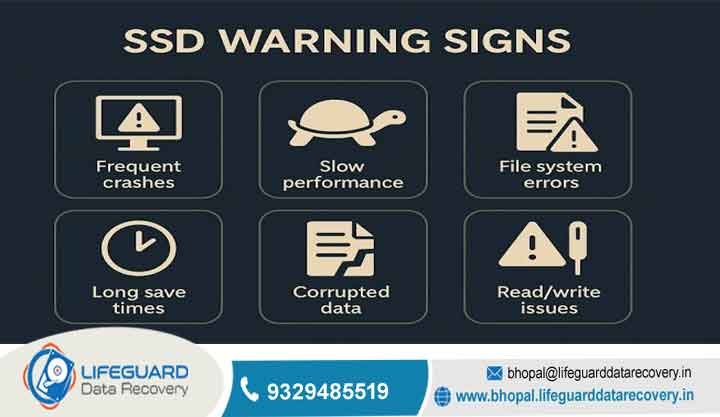
While high-performance NVMe solid-state drives offer exceptional file transfer speeds, their underlying architecture presents distinct technical risks that enterprise organizations must manage proactively. Unlike traditional hard drives that give warning signs like clicking sounds or slow performance before failing,
NVMe solid-state media usually fails suddenly and completely without any warning. This abrupt failure model is tied to the way silicon memory components operate, where a single broken capacitor or a corrupted line of firmware code can instantly make the entire device completely unreadable.
To protect critical business operations against sudden solid-state drive failure, organizations should implement a multi-layered approach to data protection and hardware maintenance.
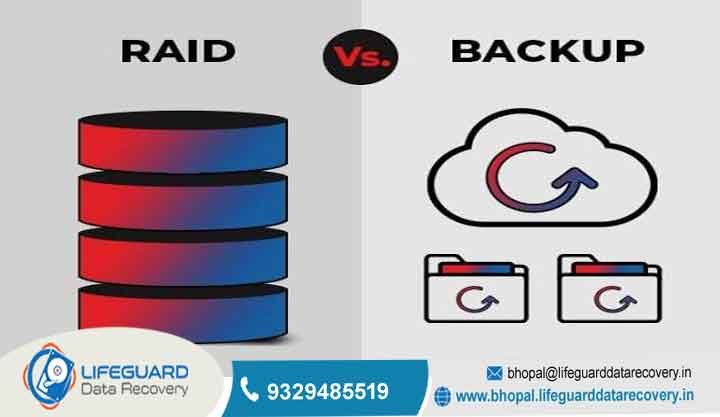
Second, install high-quality uninterruptible power supplies (UPS) and surge protection systems to shield sensitive storage arrays from unexpected voltage drops or power spikes. Finally, configure automated, real-time backup systems that send data to an offsite location or an independent network-attached storage pool.
By maintaining clear separation between your live systems and your backup data, you ensure your business remains fully resilient against hardware failures, unexpected system corruption, or disruptive cyberattacks.
It is also important to remember that solid-state drives degrade over time based on how much data you write to them. Every flash cell can only handle a set number of erase and write cycles before it wears out and can no longer hold an electrical charge reliably.
For heavy enterprise workloads, like active database servers, it is vital to keep an eye on your drives’ health metrics using S.M.A.R.T. monitoring software. Catching an old drive as it approaches its write limits lets you replace the hardware safely before a catastrophic failure happens.
Contact Our Expert NVMe Recovery Team in the UAE Today
If your organization is facing critical data loss, an unresponsive server volume, or a failed NVMe solid-state drive, secure professional intervention immediately to protect your data from permanent loss. Lifeguard Data Recovery provides certified, high-tier data extraction solutions backed by a transparent No Data,
No Charge guarantee across the United Arab Emirates. Do not risk running uncertified utility software on an unstable device. Contact our dedicated engineering specialists today to request a free physical evaluation and detailed diagnostic report.
We make the entire recovery process as smooth and simple as possible for your business. From the moment you pick up the phone until your recovered files are securely back in your hands, our team is here to manage every detail. Let our experienced lab engineers handle the hardware complexities so you can focus on running your business.
Call Phone: +971 50 127 6793
Email: info@lifeguarddatarecovery.com
Visit Website: www.abudhabi.lifeguarddatarecovery.com