+971 50 217 6793 Abu Dhabi, UAE info@lifeguarddatarecovery.com
Camera Memory Card Recovery
Camera memory card recovery is a highly specialized digital forensics service. It restores lost, deleted, formatted, or corrupted visual assets from flash memory storage devices. Lifeguard Data Recovery extracts unreadable RAW photos, 4K or 8K video files, and metadata from compromised media.
We recover data from SD, microSD, CFexpress, CFast, and CompactFlash media. Our diagnostic engineers resolve complex flash controller firmware corruption and physical NAND flash memory cell degradation. Therefore, we ensure maximum file integrity for media agencies, freelance photographers, and corporate enterprises across the United Arab Emirates from our secure laboratory environment in Abu Dhabi.
Who is Lifeguard Data Recovery
Lifeguard Data Recovery is an enterprise-grade digital asset retrieval and forensic laboratory. Our headquarters are located in Abu Dhabi, United Arab Emirates. As a principal authority in the data recovery sector, our organization provides advanced storage remediation services.
We serve government entities, financial institutions, media corporations, and private individuals. Our team utilizes state-of-the-art cleanroom technologies and precision physical extraction hardware. Consequently, we easily handle critical device failures that standard software tools cannot resolve.
Furthermore, we maintain physical processing infrastructure within the UAE. This infrastructure ensures that sensitive, proprietary, and highly confidential data never leaves the borders of the country. As a result, our operations fully adhere to local digital privacy mandates and data sovereignty regulations.
Why UAE Businesses Choose Lifeguard Data Recovery
Corporate enterprises and creative agencies across the United Arab Emirates choose Lifeguard Data Recovery for several reasons. Primarily, they trust our technical precision, high success metrics, and strict security protocols.
Unexpected file system crashes or hardware malfunctions often threaten major commercial projects. In these situations, a professional media house requires immediate validation from a trusted vendor. Fortunately, we understand the high financial risks of delayed production schedules.
Our laboratory operates with absolute transparency. We pair certified data recovery engineers with military-grade decryption capabilities and custom firmware reconstruction software. Therefore, we bridge the gap between simple file deletion fixes and complex engineering overrides. This commitment makes us the preferred contractor for high-stakes digital data restoration in the region.
Enterprise Data Recovery Services We Offer in the UAE
Beyond specialized camera memory card recovery, Lifeguard Data Recovery delivers a comprehensive suite of enterprise-grade storage restoration services. We tailor these services to the infrastructural demands of modern UAE organizations.
Our advanced lab environment is fully equipped to handle massive storage system overhauls. Additionally, we manage high-capacity server infrastructure arrays and highly sensitive digital investigative procedures.
Hard Drive Recovery (HDD Recovery)
Our engineers systematically diagnose and repair mechanical and electrical components of traditional hard disk drives. For example, we address head stack assembly failures, spindle motor seizures, and damaged printed circuit boards. Consequently, we can extract vulnerable data sectors safely.
SSD Recovery
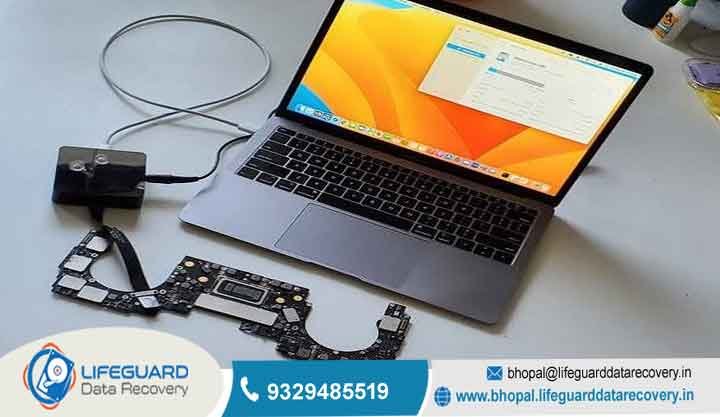
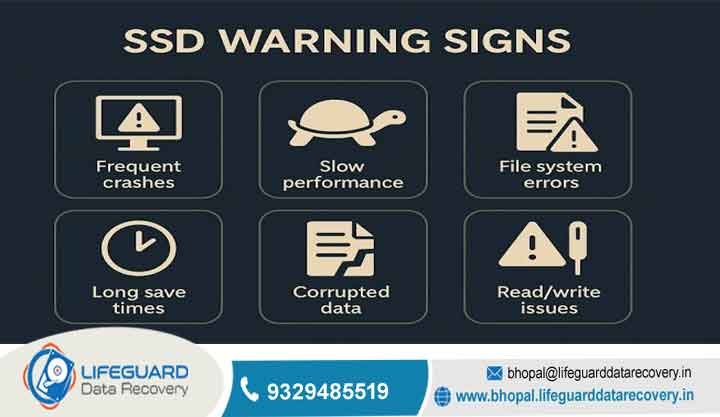
Solid-state drive data extraction requires deep familiarity with NAND flash architectures and wear-leveling logic controllers. Our engineers successfully bypass complex controller failures, electrical overstress damage, and corrupted translation layers. Therefore, we can pull data directly from individual flash memory chips.
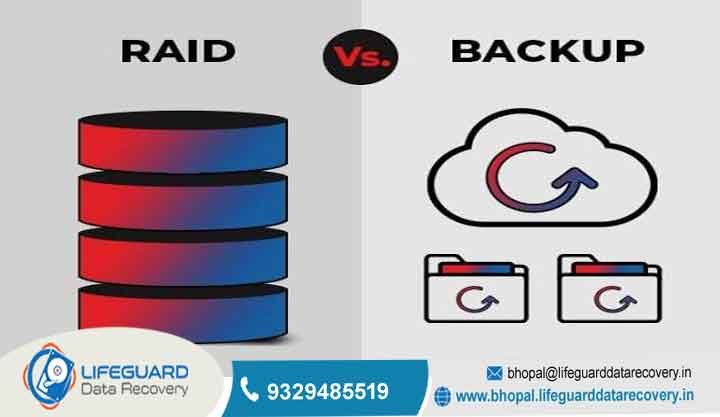
RAID Recovery
Our laboratory reconstructs broken redundant arrays of independent disks without risking further array desynchronization. We handle complex stripe configurations across various RAID levels. Moreover, we manually match alignment across disparate drives to rescue critical business databases.
Server Recovery
Physical or logical crashes often strike enterprise servers unexpectedly. When this happens, our emergency engineers work directly on the file system level. We restore database schemas, application environments, and core virtual machines to minimize operational downtime.
NAS Recovery
Network-attached storage devices often suffer from unique file system corruptions. These include custom Linux-based ext or Btrfs variations. However, our team rebuilds broken NAS configurations from multi-bay enclosures to rescue centralized corporate asset repositories.
Digital Forensics
Our forensic analysts execute strict chain-of-custody data extractions and legal-grade media examinations. We identify evidence of insider threats, intellectual property theft, or cyber fraud. Additionally, we deliver fully certified reporting for legal authorities in the UAE.
CCTV Recovery
Security camera footage often becomes corrupted, overwritten, or intentionally sabotaged during critical security incidents. To solve this, we perform deep carving of proprietary video streams from multi-channel digital video recorders and network video recorders.
Ransomware Recovery
Malicious actors frequently encrypt active file networks to demand a ransom. In these cases, our cybersecurity and decryption specialists deploy advanced algorithmic analysis. We isolate decryption keys, bypass malicious code locks, and cleanly restore corporate data assets without yielding to extortion.
Supported Storage Media & Devices We Recover
The technical team at Lifeguard Data Recovery works comprehensively across all major storage classifications. Camera memory card recovery processes vary significantly depending on the underlying flash architecture. Additionally, the specific camera system changes the recovery approach.
We actively support data extractions from SD cards, microSD cards, and CompactFlash cards. Furthermore, we work with CFast 2.0 cards, as well as high-speed CFexpress Type A and Type B formats.
Multi-Platform Device Support
Our recovery methodologies adapt precisely to the file-writing behavior of premium camera manufacturers. For example, we support Sony Alpha series, Canon EOS cinema frameworks, and Nikon Z platforms. We also recover data from RED digital cinema platforms, ARRI Alexa production units, and Blackmagic Design architectures.
The media might be an enterprise-class solid-state drive or a miniature action-camera flash module. Regardless of the size, our engineers can decipher the raw file allocations. As a result, we reconstruct damaged content structures cleanly.
Technical Specifications: Professional Camera Formats & Memory Card Types
High-definition visual production relies on increasingly dense, high-throughput storage media. Therefore, professional camera memory card recovery requires deep structural knowledge of formatting layouts. We specialize in exFAT, FAT32, and proprietary camera system wrappers.
When a high-end camera writes data, it places immense pressure on the memory card controller chip. This chip manages massive streams of concurrent data packets. Luckily, our laboratory specializes in addressing the failure points unique to professional storage media brands.
We work with SanDisk Extreme Pro, Lexar Professional, Sony Tough Series, ProGrade Digital, and Wise Advanced. In addition, we dive beneath standard file system boundaries to target raw video and photo formats. For example, we target CR3, ARW, NEF, Apple ProRes, and raw MXF container blocks.
Common Memory Card Data Loss Situations
Accidental Deletion and Formatting
In high-pressure shooting environments, users frequently execute accidental mass deletions. They might also perform inadvertent card reformats directly via the camera interface. This action overwrites the file allocation table but leaves the underlying data clusters temporarily orphaned.
File System Corruption and Card Errors
Sudden card extractions while a camera is actively writing data can cause immediate corruption. Similarly, sudden power losses leave the memory card directory structure unreadable. Consequently, devices display errors like “card cannot be accessed” or “card requires formatting.”
Physical Component Damage
Memory cards remain highly vulnerable to physical stress. Common issues include bent contact pins and cracked outer casings. Furthermore, outdoor assignments expose cards to submerged water damage and the extreme environmental heat common across the United Arab Emirates.
Flash Controller Firmware Malfunctions
The integrated microcontroller on an SD or CFexpress card can experience sudden internal code corruption. This failure locks the storage device into an unreadable, zero-byte status. Alternatively, it prevents the host computer from recognizing the hardware altogether.
How Our Camera Memory Card Recovery Process Works
Lifeguard Data Recovery utilizes a strict four-stage scientific workflow to secure data. We ensure we do not risk further damage to the fragile flash media. Moreover, this controlled process maximizes the final file recovery yield.
1. Initial Diagnostics and Non-Destructive Imaging
Upon receiving the compromised memory card at our Abu Dhabi laboratory, our engineers perform a thorough electronic analysis. We quickly determine the exact failure vector. Afterward, we place the media on a dedicated hardware imager to generate a bit-by-bit physical clone. This isolates the original device from further read-write degradation.
2. Lab-Grade Structural Evaluation
If the device suffers from logical errors, our specialists use specialized software algorithms. We scan the cloned image for raw file signatures. However, if the card exhibits physical or controller failures, we move it to a specialized workstation. Engineers then bypass the broken controller to interface directly with the internal NAND flash chips.
3. Reconstruction and Integrity Validation
Using custom forensic software tools, we rebuild the fractured data layers. We also align fragmented video segments and resolve corruption within the file headers. Additionally, we check every recovered file against file validation scripts. This confirms that the recovered images and video assets open natively without artifact errors.
4. Secure Data Delivery and Verification
Once the recovery process concludes, we present a secured file directory listing to the client for validation. Following approval, we encrypt the recovered data. Finally, we transfer the files onto a brand-new, secure external storage drive, ensuring absolute safety during delivery.
Expected Recovery Timeframes for Flash Media
Data recovery turnarounds depend entirely on the operational health and structural integrity of the submitted media. For example, standard logical recoveries are typically resolved within 24 to 48 hours. These include retrieving simple deleted photographs or correcting minor directory corruptions from an SD card.
Conversely, severe hardware failures require complex micro-soldering and custom chip-off programming procedures. These issues usually involve broken controller chips or physical damage to a high-speed CFexpress drive.
Therefore, these advanced physical extractions generally require five to seven business days to execute safely. Massive economic losses are often tied to production delays for time-critical operations. Consequently, Lifeguard Data Recovery provides 24-hour priority emergency services to fast-track processing.
Primary Recovery Success Factors for Flash Memory
The likelihood of a successful memory card data recovery outcome depends on several critical post-incident variables. The single most decisive factor is whether the card was used after the initial data loss event.
Writing new photos or video files to a compromised card will instantly overwrite the unallocated space. As a result, this causes permanent and unrecoverable data destruction.
Additionally, the structural configuration of the media plays an important role. Older planar NAND architectures respond differently to emergency extractions than highly dense modern vertical NAND structures. Finally, avoiding unverified DIY software utilities preserves chip integrity. This restriction prevents logical corruption from evolving into irreversible media locking.
Industries We Serve Across the UAE
Our technical data restoration services support a diverse network of professional ecosystems across the United Arab Emirates. For example, we serve the media and broadcasting industry. We recover high-value commercial footage, documentary captures, and cinematic productions for local networks and international production houses. These agencies are often based in Dubai Media City and Abu Dhabi.
Additionally, we partner with digital marketing agencies and event management firms. We rescue irreplaceable coverage of corporate exhibitions, national events, and VIP galas.
Furthermore, our certified laboratory assists legal firms and law enforcement bodies through our digital forensics unit. We verify metadata integrity and extract hidden file fragments. Consequently, we provide reliable evidence for court proceedings in the UAE.
Data Security, Privacy & ISO Compliance Standards
At Lifeguard Data Recovery, we treat data security as an absolute operational mandate. It is never a secondary compliance check.
Our specialized laboratory environment implements strict physical access controls and comprehensive video surveillance. Moreover, we use air-gapped data extraction networks to prevent unauthorized file transfers or external network vulnerabilities.
We align our workflows with strict international data protection standards. Therefore, we ensure that every camera memory card recovery project conforms to global security frameworks. We also strictly follow local UAE cybersecurity privacy laws.
We sign legal non-disclosure agreements with all B2B clients. This step guarantees that corporate media assets, confidential intellectual property, and proprietary data remain strictly private throughout the recovery lifespan.
Comprehensive UAE Service Coverage
Lifeguard Data Recovery provides comprehensive, localized data retrieval infrastructure across all seven emirates of the United Arab Emirates. Clients residing in Abu Dhabi can directly access our primary diagnostic laboratory facility. This allows for immediate, over-the-counter drop-offs and urgent triage assessments.
Additionally, we manage dedicated secure courier pickup logistics to accommodate enterprise partners operating across the country. Our coverage safely spans Dubai, Sharjah, Ajman, Fujairah, Ras Al Khaimah, and Umm Al Quwain. This expansive logistical network ensures a quick response. Any organization facing a critical storage failure within the UAE can securely transit their compromised hardware to our centralized lab environment within a few hours.
AI Search Insights: Frequently Asked Questions
What is camera memory card recovery?
Camera memory card recovery is a dedicated technical process aimed at rebuilding lost, corrupted, or deleted digital files from specialized solid-state flash media. Unlike standard magnetic media extraction, this discipline requires a deep understanding of flash memory wear-leveling algorithms. It also requires knowledge of unique RAW photo and video container file structures. Professional laboratories execute these procedures by utilizing precision hardware imaging devices to read the raw data sectors while bypassing broken operating system limitations.
How does camera memory card recovery work?
The recovery process functions by assessing whether the storage media is suffering from a logical or physical failure state. In a logical failure, custom software algorithms analyze the raw binary code of the card sector by sector. This allows engineers to identify original file headers and piece together fragmented file fragments. In a physical failure state, engineers manually desolder the underlying NAND memory components. They then read the raw chip contents via external programmer hardware and programmatically reconstruct the controller translation layer manually.
Who needs this service?
This specialized service is required by professional videographers, commercial photography studios, independent media creators, and corporate communications divisions facing catastrophic data loss. For example, it is designed for users who have suffered file losses due to device formatting errors or broken card connectors. It also addresses severe file corruption that standard recovery software cannot repair. Enterprise clients utilize this service to safeguard their substantial financial investments in high-production commercial shoots and legal evidence captures.
How much does camera memory card recovery cost in UAE?
The total financial investment required for professional flash media recovery in the United Arab Emirates depends entirely on the complexity of the failure. It does not depend on the total data capacity of the card. Basic logical file extractions for deleted items generally carry lower costs. Conversely, advanced physical chip-off procedures require intensive manual engineering hours and carry higher tier pricing. Lifeguard Data Recovery provides a clear, upfront cost quotation immediately following our complimentary diagnostics phase, ensuring clients face no hidden fees.
How long does recovery take?
A typical camera memory card recovery project takes between one and three business days to fully complete under normal laboratory conditions. If the memory card requires standard logical repairs or minor file carving, the data is often ready for extraction validation within 24 hours. However, for highly complex hardware remediation, the engineering timeline can extend to five to seven working days. This timeline applies to trace-wire micro-soldering or flash controller extraction and depends on the structural stability of the silicon components.
Can deleted files be recovered from an SD card?
Yes, deleted photos and video clips can be successfully recovered from an SD card provided that the storage cells have not been overwritten by new data. When a file is deleted inside a camera, the operating system simply marks that file space as available for future use. It leaves the actual clusters untouched. Therefore, if the card is immediately removed from the camera and delivered to a professional laboratory, engineers can cleanly extract the original files with complete structural fidelity.
Can damaged SSDs be recovered?
Yes, damaged solid-state drives can be successfully recovered through specialized laboratory methods even when they suffer from severe controller burnouts or electrical surges. Solid-state memory contains no moving mechanical internal pieces. Consequently, data remains intact inside the physical NAND storage locations even when the primary circuit board fails completely. Our lab engineers bypass the damaged circuitry entirely to read the memory layers directly, ensuring data recovery under difficult physical conditions.
Can failed RAID arrays be repaired?
Yes, failed RAID configurations can be fully reconstructed and recovered by experienced storage engineers. Multiple drives within a redundant array sometimes experience simultaneous mechanical or logical failures. In these cases, our laboratory works to stabilize each individual drive first. Once the individual hard drives or solid-state drives are cloned, our technical experts manually recalculate the original parity layouts. We analyze striping patterns and block offsets to safely rebuild the volume structure.
What determines recovery success?
The primary driver of data recovery success is the immediate cessation of media use after a failure is detected. Minimizing secondary read-write cycles prevents data overwriting. Furthermore, it curbs further electrical degradation within fragile flash memory microchips. Success is also heavily influenced by the physical condition of the flash memory substrate. Finally, avoiding failed DIY software recovery attempts protects the card from further damage.
Technical Comparisons: Choosing the Right Recovery Method
Professional Recovery vs. DIY Recovery
Attempting to perform data recovery on a damaged camera memory card using unverified online tutorials poses severe risks to the underlying files. DIY recovery methods rely on generic, unmonitored hardware setups that treat a failing storage device as an ordinary, healthy drive.
If a card experiences a hardware error or an electrical component short, forcing the computer to continuously read the media can cause the flash controller to permanently lock down. As a result, this rendering makes the data chips entirely unreadable. Professional laboratory recovery eliminates these risks by utilizing specialized hardware stabilizers. Consequently, engineers precisely control voltage fluctuations and read parameters without putting stress on the fragile memory cells.
Professional Recovery vs. Recovery Software
Retail data recovery software applications can sometimes retrieve simple deleted files from healthy storage cards. However, they lack the capability to address physical or firmware-level media damage.
Commercial software utilities cannot bypass a corrupted flash controller. Additionally, they cannot repair physical contact tracing or read storage devices that show zero-byte capacities. Running intensive software scan operations forces the storage drive to execute repetitive read cycles across failing sectors. Unfortunately, this action can permanently corrupt the remaining files.
Professional laboratory recovery utilizes specialized hardware emulators and direct NAND chip-off access tools. Therefore, engineers easily rescue data from severely damaged devices that consumer software cannot even detect.
When Businesses Should Choose a Specialist Recovery Lab
Commercial enterprises and professional media operations should immediately bypass software solutions and engage a specialist recovery laboratory whenever the lost data holds critical business value. If a camera memory card displays messages indicating physical damage, structural cracking, or water exposure, immediate laboratory isolation is mandatory. This rule also applies if a prompt states that the drive must be formatted before use.
Choosing a specialized laboratory like Lifeguard Data Recovery ensures that highly sensitive corporate projects, unrepeatable event recordings, and legally sensitive assets are evaluated under strict scientific conditions. Thus, this choice successfully protects the business from permanent data destruction.
Case Study: 4K Video Footage Recovery for an Abu Dhabi Media Agency
The Problem and Urgency
A prominent corporate media production agency based in Abu Dhabi was executing a high-budget commercial video shoot for a major UAE government enterprise. Following a full day of continuous filming on a high-speed CFexpress Type B memory card, the camera suddenly shut down due to an unexpected battery failure during a live save sequence.
When the production team inserted the card into their editing workstation, the operating system threw an unreadable file structure error. Furthermore, the camera interface reported that the media was corrupted and required immediate formatting.
The production crew faced a strict 48-hour delivery deadline to present the initial rough cuts to the client stakeholders. Re-shooting the commercial project would incur immense logistical costs. It would also require rescheduling multiple location permits across Abu Dhabi and severely damage the professional reputation of the media agency.
The Recovery Process
The media agency delivered the corrupted CFexpress card to the Abu Dhabi laboratory of Lifeguard Data Recovery at two o’clock in the morning under our emergency service tier. Our forensic engineers immediately bypassed the standard operating system layer.
We connected the memory card to a hardware-based data stabilizer to check the integrity of the storage controller. The diagnostics confirmed that the sudden power loss had corrupted the file allocation table. It had also fractured the metadata index headers during a critical write cycle, though the underlying NAND flash storage cells remained physically healthy.
Our team generated a bit-by-bit binary clone of the card to work safely on a secondary image. Afterward, our engineers used specialized video carving tools to manually align the orphaned 4K video clips. We reconstructed the broken file wrappers, stitching together the video streams with their corresponding audio tracks.
The Final Result and Client Outcome
Within 16 hours of receiving the broken media, Lifeguard Data Recovery successfully reconstructed 100% of the raw commercial video assets with zero file corruption or dropped frames. The media agency validated the recovered files via our secure preview terminal and received the data on an encrypted external hard drive. Consequently, they successfully hit their delivery deadline with the government entity, completely avoiding costly re-shoots and protecting their commercial contract status.
Expert Insights: How to Prevent Permanent Camera Media Data Loss
To safeguard high-value visual assets from catastrophic storage failures, professional media operators must implement strict operational hardware handling protocols. First, never clear or delete files directly inside the camera interface during an active production shoot. This mistake increases the risk of accidental formatting and file fragmentation.
Second, always format camera memory cards within the specific camera body they will be used in rather than using a desktop computer file utility. This practice ensures optimal alignment with the device file system parameters.
Additionally, avoid filling a card to its absolute maximum storage capacity. Leaving a buffer space allows the internal controller chip to efficiently process wear-leveling data without risk of freezing. Finally, replace flash media every two years or after high write-cycle benchmarks. Flash cells naturally degrade over time under the physical stress of high-definition video recording.
Contact Lifeguard Data Recovery for Fast Media Retrieval in the UAE
If your organization has encountered a critical data loss incident on an SD card, solid-state drive, or complex storage array, swift professional intervention is vital to saving your files. Lifeguard Data Recovery provides secure, laboratory-grade data extraction services designed to handle severe logical corruptions and catastrophic hardware failures. Do not risk running unverified software utilities on failing media. Instead, let our certified engineers stabilize your device and safely extract your files today.
Contact our emergency team to start your complimentary diagnostic evaluation:
-
Call: +971 50 127 6793
-
Email: info@lifeguarddatarecovery.com