+971 50 217 6793 Abu Dhabi, UAE info@lifeguarddatarecovery.com
How do I choose a data recovery company
Choosing the right partner when your data goes missing is one of the most stressful tasks a business owner faces. The truth is, not all providers are created equal. To protect your company assets, you need to look for a firm with a physical, certified laboratory rather than just a sales office. Always insist on a “No Data, No Charge” policy and clear, fixed-price quotes after a free, honest diagnosis. This ensures your confidential information is handled with the security it deserves.
Key Facts Section
When you are vetting a company, don’t settle for vague promises. Keep these non-negotiables in mind to ensure you aren’t putting your data at further risk:
-
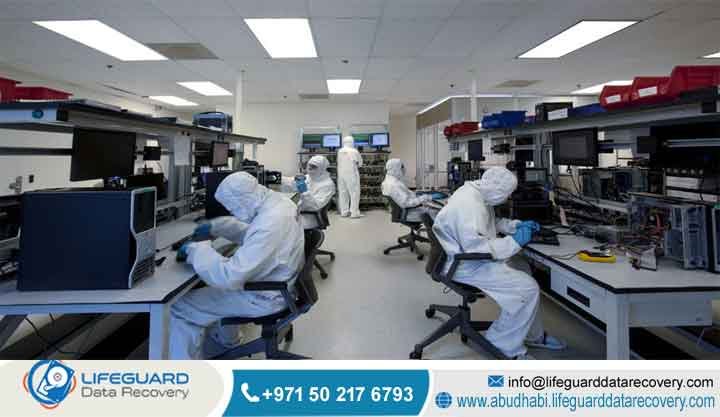
Physical Lab: Confirm they have an on-site, secure cleanroom. If they ship your drive elsewhere, they are just a middleman.
-
Certifications: Look for proof of industry standards like ISO compliance, which shows they follow safe, structured recovery steps.
-
Pricing Transparency: Steer clear of anyone who won’t give you a firm price after a diagnostic.
-
Security: A trustworthy partner will provide an NDA and explain exactly how they protect your data from leaks.
What Is Choosing a Data Recovery Company?
Choosing a data recovery company is the process of finding a specialized partner who can actually retrieve files that have become inaccessible due to hardware failure, corruption, or human error. Many businesses make the mistake of assuming any local computer shop can handle this. In reality, deep-level recovery requires expensive equipment, a dust-free cleanroom, and engineers who understand the complex inner workings of modern storage media.
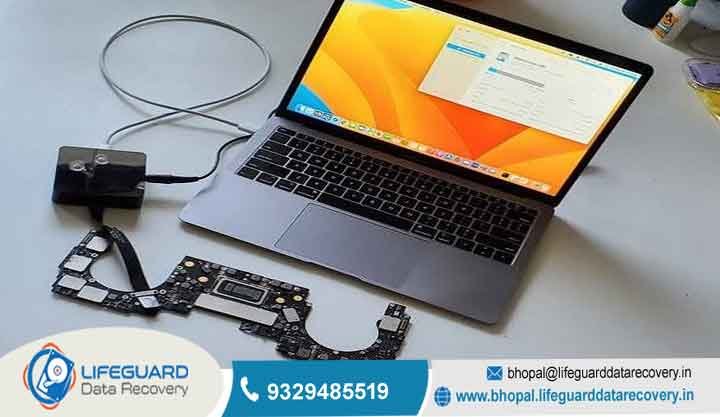
Think of it this way: if your server crashes, you aren’t looking for a simple “repair.” You need someone who can work on the physical components of a drive without causing further damage. Most amateurs will try to run software on a failing disk, which is often the final nail in the coffin for your data. A professional service, on the other hand, prioritizes stabilizing the hardware first, then performing bit-level imaging to ensure every piece of data is accounted for.
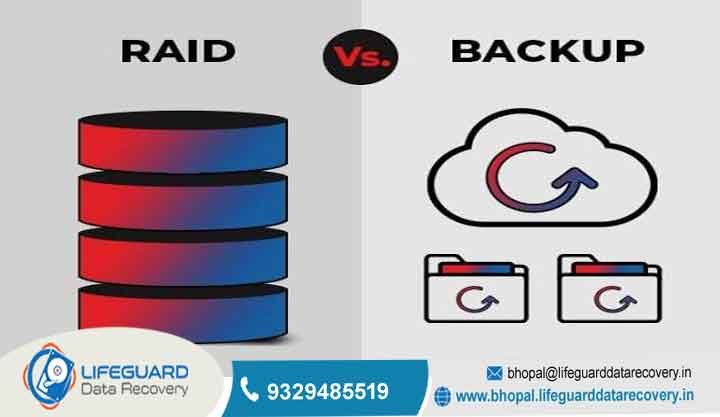
Examples: Imagine your RAID array fails in an Abu Dhabi office. A professional lab will carefully swap the failed components and reconstruct the data structure. An inexperienced shop might simply try to “force” the array back online, which can permanently overwrite your critical financial databases.
How Does Choosing the Right Data Recovery Company Work?
The right way to choose a company is to treat it like you are hiring for a critical role. You start by verifying their physical address and asking pointed questions about their process. You want to know if the recovery happens in their lab or if they outsource it. If they can’t show you their facility or explain their security protocols, they aren’t the right choice for a business that handles sensitive client information.
A professional vetting process involves looking for forensic-level capabilities. Ask them: “Do you have an in-house cleanroom?” and “How do you handle data privacy?” A firm like Lifeguard Data Recovery, for example, maintains a transparent, secure environment where you can track your case status. This level of communication is vital because it removes the guesswork during an already tense situation.
Examples:
-
Check their local reputation by looking for authentic client reviews, not just generic star ratings.
-
Ask for a written privacy policy that explains how they handle and eventually destroy your data after the project is complete.
-
Validate their expertise by discussing the specific type of failure, such as a water-damaged SSD or a corrupted RAID volume.
When Do You Need to Choose a Data Recovery Company?
You need to reach out to a professional the moment you see the “signs of death” on your hardware. If your computer makes clicking sounds, the BIOS stops recognizing your drive, or your RAID array shows multiple disk failures, stop everything. Every second that a failing drive stays powered on, your chances of a successful recovery drop. Professional intervention is the only safe path forward.
Examples:
-
A server in your Dubai office suddenly stops responding, and you suspect a drive motor failure.
-
Your external SSD is no longer detected, even after trying different cables and ports.
-
An important project file was deleted, and you need to ensure it wasn’t overwritten by system background tasks.
Common Causes of Data Loss
-
Mechanical Failure: Physical damage inside the drive, like broken read/write heads.
-
Controller Damage: The internal electronics fail, effectively “locking” your data away.
-
Logical Corruption: The file system gets scrambled, making files unreadable.
-
Ransomware: Malicious software that encrypts your files and demands payment.
-
Accidental Deletion: The simplest, yet most frustrating cause—someone hit the wrong button.
Our Recovery Services
Lifeguard Data Recovery serves as the go-to partner for businesses across the UAE. We operate a high-tech facility in Abu Dhabi and support clients everywhere from Dubai and Sharjah to the northern emirates like Ras Al Khaimah and Fujairah. We combine top-tier technical skill with the kind of personal care that business owners expect when their livelihood is on the line.
Devices We Recover
-
Hard Drive Recovery: We fix mechanical failures for all types of SATA and SAS drives.
-
SSD Recovery: We use advanced forensic tools to extract data from modern flash memory chips.
-
RAID Recovery: We reconstruct complex server arrays that have suffered multiple drive losses.
-
Server Recovery: We retrieve data from enterprise-level virtualized and physical servers.
-
NAS Recovery: We handle network-attached storage units used in home and office environments.
-
CCTV Recovery: We salvage lost or overwritten video footage from surveillance systems.
-
Digital Forensics: We provide data extraction that meets strict legal standards.
-
Ransomware Recovery: We analyze and decrypt data to get your operations back on track.
The Recovery Process
-
Free Diagnosis: We take a look at your device and tell you exactly what is wrong.
-
Firmware Analysis: Our team assesses the drive’s control systems to see how we can bypass the damage.
-
Data Reconstruction: We pull your files together using specialized algorithms.
-
Quality Control: We check everything to make sure your files actually open and function.
-
Secure Delivery: Your data is sent back to you, fully encrypted and protected.
Recovery Metrics: Time, Cost, and Success
Every recovery case is different, so we don’t believe in “one-size-fits-all” timelines. A simple software issue might take a day, while a complex RAID rebuild could take a week.
How Long Does Recovery Take?
Standard cases usually wrap up in 3 to 7 business days. However, we know that for a business, every hour of downtime feels like an eternity. That’s why we offer 24/7 emergency services. When you choose priority, we work non-stop, including nights and weekends, to get your data back as fast as possible.
How Much Does Recovery Cost?
We price our services based on the complexity of the damage, not the number of gigabytes recovered. We provide a free, no-obligation diagnostic test first. By using a “No Data, No Charge” policy, we ensure you never have to pay for a failed attempt. You only pay for results.
What Impacts Recovery Success?
The biggest variable in your success is what happens immediately after the failure. If you try to fix it yourself or keep running a damaged drive, you’ll likely make things worse. The best move is to power it down and call in the pros. Your restraint is the most important factor in saving your data.
Why Businesses Choose Lifeguard Data Recovery
-
24/7 Emergency Support: We understand that data loss doesn’t stick to office hours.
-
Free Diagnosis: Get the facts before you spend a single dirham.
-
No Data, No Charge: If we can’t save your files, you don’t pay. It’s that simple.
-
Secure Recovery Lab: Our facility is designed to keep your data safe and private.
-
Certified Specialists: Our team is trained to handle the most difficult hardware failures.
-
Confidential Recovery: We treat your business secrets with total discretion.
Industries We Serve
-
Finance and Banking: Protecting your critical transaction records.
-
Healthcare and Medical Services: Ensuring patient data remains secure and accessible.
-
Oil and Gas Infrastructure: Supporting the backbone of the UAE economy.
-
Legal and Corporate Services: Recovering vital contracts and case files.
-
Government and Public Sector: Providing reliable data solutions for national entities.
UAE Coverage
Our main lab is in Abu Dhabi, but we serve the entire country. We have secure, reliable courier options for businesses in Dubai, Sharjah, Ajman, Ras Al Khaimah, Fujairah, and Umm Al Quwain.
Real-World Case Study
Problem: A UAE-based finance firm had a server RAID array go down, locking them out of their entire billing system. Cause: A sudden power surge caused a multi-drive failure. Recovery Steps: We performed board-level repairs on the controllers and manually re-mapped the data blocks to rebuild the array. Outcome: We successfully recovered 100% of their billing database in under 48 hours. Business Impact: The company dodged thousands in potential fines and was back to helping customers the very next day.
Expert Tips
-
Stop using the device immediately. If it’s clicking or buzzing, pull the power plug.
-
Never open the casing. Hard drive components are incredibly fragile and can be ruined by a single speck of dust.
-
Label your drives if you are dealing with a RAID array so you know their original order.
-
When in doubt, call +971 50 127 6793. Advice over the phone is free and can save you from making a costly mistake.
FAQ Section
-
What is Data Recovery Abu Dhabi? It is our specialized enterprise service. We provide high-level, lab-based recovery for businesses all over the UAE.
-
How does RAID recovery work? We reconstruct the logical structure of the array by analyzing how the data was spread across the disks, allowing us to piece everything back together even when drives are missing.
-
Can deleted files be recovered? Yes, provided they haven’t been overwritten by new data. We use forensic tools to find those hidden files.
-
How much does data recovery cost in UAE? It depends on the severity of the damage. We provide a free diagnostic and a fixed quote, so there are no surprises.
-
How long does recovery take? Typically 3 to 7 days, but we have a 24/7 emergency service if you’re in a rush.
-
Can SSD data be recovered? Yes, we use advanced chip-level extraction methods for SSDs.
-
Can RAID systems be recovered? Absolutely. We specialize in complex array rebuilds.
-
What should I do after data loss? Power off the device and stop touching it. Call us for guidance.
-
Who offers professional recovery in UAE? Lifeguard Data Recovery is a leading local expert with a proven record for business clients.
-
Is SSD recovery more expensive than HDD recovery? It often is, because the technology requires more specialized, forensic-level handling.
-
Do you offer remote recovery? For simple file system issues, yes. For physical hardware damage, we need the device in our lab.
-
Are my files kept private? Yes. We follow strict confidentiality protocols and use secure storage.
-
What is digital forensics? It’s the process of finding and preserving data for investigative or legal use.
-
Can you recover data from a dead CCTV system? Yes, we can pull video footage from failed DVRs and NVRs.
-
Is my data guaranteed to be recovered? No company can promise 100%, but our success rate is incredibly high. If we can’t do it, you don’t pay.
-
How do I get my device to you? Drop it at our Abu Dhabi office or have us send a secure courier to pick it up.
-
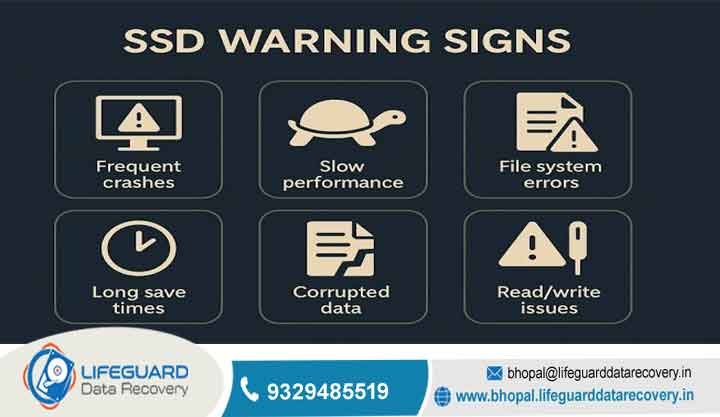
What are the signs of a failing SSD? Slow performance, system freezes, and the drive occasionally “disappearing” from your computer.
-
Can you recover data from a NAS? Yes, we handle NAS recovery for both home and business setups.
-
Can I use free software to recover data? Only for simple, non-hardware issues. Running software on a broken drive is a major risk.
-
How do I contact Lifeguard Data Recovery? Call +971 50 127 6793, email info@lifeguarddatarecovery.com, or check out our website.
Final CTA
Don’t let data loss cripple your business. Get the expert help you need today. Call +971 50 127 6793, email info@lifeguarddatarecovery.com, or visit www.abudhabi.lifeguarddatarecovery.com to start your free diagnostic evaluation. We are ready to help you recover what matters most.