+971 50 217 6793 Abu Dhabi, UAE info@lifeguarddatarecovery.com
Broken Screen Data Recovery
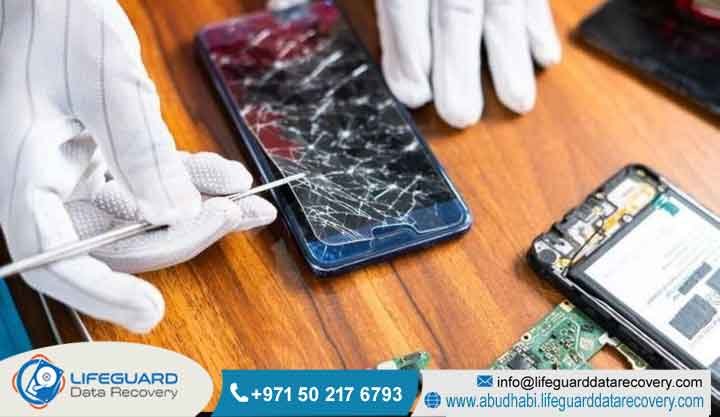
What is Broken Screen Data Recovery The truth is, broken screen data recovery is a highly specialized hardware engineering process. Engineers use this method to extract files, databases, and cryptographic keys from compromised hardware. This includes mobile devices, tablets, or smartphones with non-functional, shattered, or unresponsive displays.
When a screen breaks, the user interface becomes completely inaccessible. Consequently, this failure prevents biometric authentication or passcode entry. Professional recovery labs easily bypass this physical damage through advanced logic board manipulation, chip-transplantation, or direct memory access. As a result, technicians ensure the safe retrieval of all underlying system and user data. Most importantly, they perform this extraction without causing further damage to the internal storage media.
Who is Lifeguard Data Recovery
Lifeguard Data Recovery operates as an enterprise-grade data retrieval organization based in Abu Dhabi, United Arab Emirates. The laboratory serves as a principal authority in micro-electronics repair and storage forensics. Therefore, we proudly support corporate clients, government entities, and individual professionals across the nation.
Think of it this way: standard retail shops fix screens, but we retrieve the trapped intelligence inside. Our team provides high-tier infrastructure capable of handling advanced hardware failures. For this reason, Lifeguard Data Recovery resolves complex technical data loss events that consumer-grade software cannot fix.
Furthermore, the company maintains a robust, nationwide logistics framework. This system ensures secure physical custody of storage devices from start to finish. We safely transport assets from Abu Dhabi and Dubai to Sharjah, Ajman, Fujairah, Ras Al Khaimah, and Umm Al Quwain.
Why Businesses Choose Lifeguard Data Recovery
Corporate enterprises and government offices in the UAE consistently choose Lifeguard Data Recovery. They rely on us because we maintain strict compliance, forensic accuracy, and advanced physical laboratory capabilities. In the real world, standard IT repair centers focus almost entirely on replacing hardware components. In contrast, our laboratory specializes exclusively in deep physical data extraction.
Modern business continuity plans depend heavily on the rapid, verified reclamation of proprietary information. For example, executives often need urgent access to financial databases and communication records trapped on non-responsive hardware.
To address this need, our organization implements strict, forensic-level data custody protocols. We guarantee that your sensitive business intelligence remains completely isolated from external networks and unauthorized eyes. Consequently, we prevent potential data breaches throughout the entire recovery process.
Comprehensive Data Recovery Services We Offer
The technical scope of Lifeguard Data Recovery extends across the full spectrum of modern digital storage architecture. Mobile screen damage recovery remains a vital service line for our team. At the same time, our laboratory engineers concurrently handle high-capacity enterprise storage systems.
Our holistic service ecosystem includes:
-
Hard Drive Recovery: Expert data extraction for traditional mechanical storage systems.
-
SSD Recovery: Advanced restoration for solid-state architectures.
-
RAID Recovery: Rebuilding complex redundant disk configurations.
-
Server Recovery: Full recovery for physical and virtual enterprise environments.
-
NAS Recovery: Restoring network-attached multi-drive storage arrays.
-
CCTV Recovery: Specialized video preservation for security systems.
-
Digital Forensics: Maintaining strict evidentiary integrity for legal use.
-
Ransomware Recovery: Decrypting and restoring critical file systems after hostile cyberattacks.
Mobile Devices and Storage Formats We Recover
Our technical team possesses deep, device-specific engineering knowledge. Because of this expertise, we successfully handle all generations of mobile hardware architectures. For instance, we work extensively with Apple iOS devices, including iPhones, iPads, and iPods utilizing proprietary NVMe integrated storage circuits.
Additionally, the laboratory recovers the full spectrum of Android devices from leading global manufacturers. We regularly service hardware from Samsung, Huawei, Xiaomi, Oppo, and OnePlus. This includes extracting data from complex UFS 2.1, 3.0, and 4.0 storage modules.
Sometimes, devices suffer severe physical structural failure, bent chassis, or fragmented printed circuit boards. Even during these catastrophic events, we resolve your cracked screen data recovery needs. Our engineering team physically maps and extracts the underlying memory chips safely within our cleanroom environment.
Common Mobile Screen Damage and Data Loss Situations
Mobile screen damage recovery becomes necessary under diverse real-world circumstances. These situations range from simple user accidents to extreme physical trauma. For example, the most common scenario involves a shattered digitizer accompanied by an entirely black or bleeding OLED or LCD panel. This failure completely prevents touch input and blinds the user to system state prompts.
Other situations involve structural chassis compression from severe vehicular crushing. Similarly, devices often suffer from extreme thermal exposure or deep water submersion combined with physical fracturing.
In these advanced failure states, a professional phone screen recovery service must do more than swap parts. Technicians must address secondary hardware issues. These issues frequently include fractured capacitor lines, corroded battery terminals, and micro-cracks along the multilayered logic board trace paths.
How Our Broken Screen Data Recovery Process Works
The physical recovery process follows a meticulous sequence of forensic and engineering steps. We design these steps specifically to protect the integrity of your data cell arrays. In reality, no software commands can safely extract data from a severely damaged mobile device if the operating system cannot boot or authenticate.
Therefore, our process demands that we treat the device as a complex hardware puzzle. The primary storage media must be completely isolated, stabilized, and read using specialized laboratory machinery.
Phase 1: Micro-Soldering and Logic Board Diagnostics
Every damaged device entering our Abu Dhabi laboratory undergoes an exhaustive micro-soldering assessment. Engineers utilize high-power stereomicroscopes to inspect the delicate components. Specifically, the engineer checks for electrical short circuits along the main power delivery rails of the logic board.
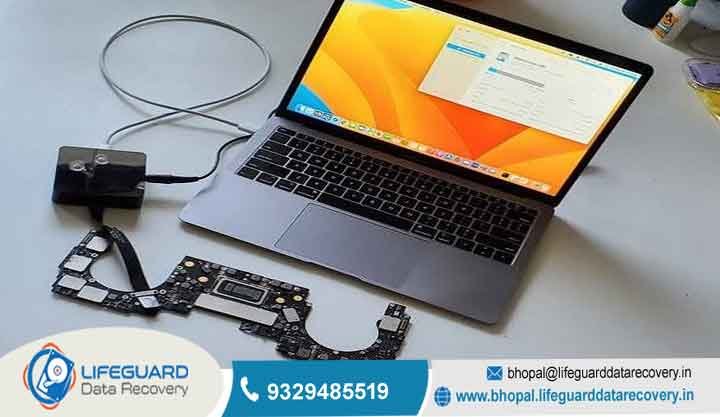
A cracked screen data recovery case often involves a device that will not power on due to structural damage. In this situation, the technician carefully removes the electromagnetic interference shielding. Following this removal, they replace blown surface-mount components, filtering capacitors, and power management integrated circuits. By repairing the board at a microscopic level, we temporarily stabilize the phone. As a result, engineers can safely execute a standard forensic image acquisition.
Phase 2: Chip-Off Techniques and Direct NAND Memory Extraction
When a device suffers catastrophic structural disintegration, the logic board sometimes becomes completely irreparable. In these extreme cases, the laboratory initiates advanced chip-off extraction protocols.
First, the engineer desolders the memory module from the fractured motherboard using precise infrared rework stations. This module contains all vital user files and operating system structures.
Next, the technician cleans the extracted flash chip of residual underfill adhesive. They then mount the clean chip into a physical reader designed to communicate directly with the memory controller interface.
This specialized technique completely bypasses the broken screen, damaged charging ports, and failed processors. Consequently, we read the raw data directly from the storage substrate.
Professional Recovery Timeframes in the UAE
Turnaround schedules depend strictly on the structural status of the incoming hardware. Additionally, the specific technical methodology required to stabilize the device affects the timeline. Fortunately, standard diagnostic sweeps are finalized rapidly. This step pinpoints whether the data loss requires component-level repair or chip-level extraction.
For urgent business requirements, our emergency support immediately shifts the case to a dedicated workstation. Engineers then work around the clock to minimize your downtime.
The restoration of files from a standard mobile device with a non-functional screen generally concludes within a few business days. However, this timeline requires that the logic board does not exhibit deep internal trace fractures or severe silicon degradation.
Critical Factors Influencing Screen Recovery Success Rates
The likelihood of a successful file recovery depends heavily on the actions you take immediately following the physical impact. For example, continued attempts to power on a shorted device can inject unstable currents into the storage loop. This mistake often causes permanent electrical puncture of the flash cells.
Similarly, amateur attempts to force reboot or insert generic data-scraping cables can cause severe damage. These actions frequently trigger automated system wipe sequences on modern, encrypted operating systems.
The overall success rate is maximized when the phone is powered down entirely and kept completely dry. For the best results, send the hardware directly to an expert laboratory environment equipped for precise micro-soldering.
Commercial and Corporate Industries We Serve
Lifeguard Data Recovery provides essential digital restoration services to a broad array of enterprise sectors across the UAE. For example, the financial services, legal, and banking sectors regularly leverage our services. They use our digital forensics and secure mobile extraction paths to recover critical corporate communications and transactional logs.
Government bodies, defense contractors, and law enforcement agencies also utilize our secure laboratory infrastructure for sensitive data reclamation. Additionally, logistics companies based in Jebel Ali trust our engineering team.
Similarly, medical facilities in Abu Dhabi and real estate corporations in Dubai rely on us. We successfully handle complex storage failures across RAID arrays, servers, and damaged corporate mobile devices.
Data Security, Confidentiality, and UAE Compliance Standards
Operating within the United Arab Emirates requires strict adherence to international security frameworks. Furthermore, companies must comply with regional regulatory standards, including the UAE Personal Data Protection Law.
Lifeguard Data Recovery maintains high-tier physical and operational security boundaries. These measures protect corporate intellectual property and sensitive personal information.
The laboratory operates closed-loop, air-gapped data networks. These systems remain entirely physically disconnected from the public internet. As a result, we prevent any possibility of data leakage or external compromise.
Additionally, all engineering staff are bound by strict non-disclosure agreements. Finally, recovered files are transferred exclusively to securely encrypted media for delivery back to the client.
Nationwide Mobile Screen Damage Recovery Coverage Across the UAE
The engineering and logistical footprint of Lifeguard Data Recovery spans across every territory of the country. Clients requiring critical hardware intervention can safely transport their storage media to us. Alternatively, they can easily arrange for secure courier collection.
Abu Dhabi: Headquartered in the capital city, our primary laboratory provides immediate walk-in diagnostics. We offer high-tier engineering support for government and commercial hubs.
Dubai: Serving the commercial center of the region, we provide rapid corporate pickup. We also offer emergency data handling for tech hubs, financial zones, and industrial sectors.
Sharjah: We provide complete support for academic institutions, small-to-medium businesses, and manufacturing centers facing critical media storage failures.
Ajman: Our team delivers accessible technical data retrieval and laboratory services for regional business groups and individual professionals.
Fujairah: We provide secure storage logistics and engineering coverage for the maritime, logistics, and port authority enterprises on the eastern coast.
Ras Al Khaimah: Our lab offers advanced recovery operations tailored for the expanding manufacturing, pharmaceutical, and tourism business structures.
Umm Al Quwain: We provide dedicated coverage ensuring that businesses and municipal entities receive professional storage restoration without regional delays.
Frequently Asked Questions: Screen Broken Phone Data Recovery
What is Broken Screen Data Recovery?
Broken screen data recovery is a highly specialized process used to extract files from mobile phones or tablets whose displays are shattered or completely non-functional. Because a broken screen prevents passcode entry, standard computer backups cannot be performed. Professional recovery utilizes advanced engineering techniques to bypass the non-functional screen hardware and access the storage memory directly.
How does Broken Screen Data Recovery work?
The process involves connecting the damaged device’s logic board to laboratory diagnostic hardware to analyze power delivery systems. If the phone cannot turn on due to severe impact, engineers perform micro-soldering to replace damaged resistors, capacitors, and microchips. In cases of total destruction, the memory chip is carefully desoldered from the board and read directly using hardware-level chip-off protocols.
Who needs this service?
This service is essential for corporate executives, legal professionals, government personnel, and individuals who store vital business records, sensitive communications, and proprietary files on a mobile device that has suffered unresolvable screen or structural failure. When standard cloud backups are out of date or disabled, professional hardware-level extraction is the only viable path to recover the data.
How much does Broken Screen Data Recovery cost in UAE?
The investment required for a successful recovery varies significantly depending on the underlying structural and electronic state of the internal motherboard components. Simple display line diagnostic overrides require fewer laboratory resources than complex chip-off extractions or multi-layered logic board micro-soldering. Lifeguard Data Recovery provides a definitive case evaluation following a physical laboratory diagnostic check to determine the exact engineering steps needed.
How long does recovery take?
The typical recovery timeline for a standard screen broken phone data recovery case spans between two to five business days. If the internal logic board has sustained severe structural cracks or liquid exposure alongside the broken screen, additional alignment time is needed to trace and rebuild the broken paths. Emergency laboratory support is available for time-sensitive corporate data loss incidents.
Can deleted files be recovered from a broken screen phone?
Yes, file recovery after deletion is possible depending on the operating system version and the storage media type. On modern smartphones using encryption and solid-state storage, deleted data may be overwritten rapidly by system garbage collection processes. However, if the device was damaged immediately after deletion, a full forensic image of the storage media can often capture the unallocated space containing the deleted records.
Can damaged SSDs be recovered?
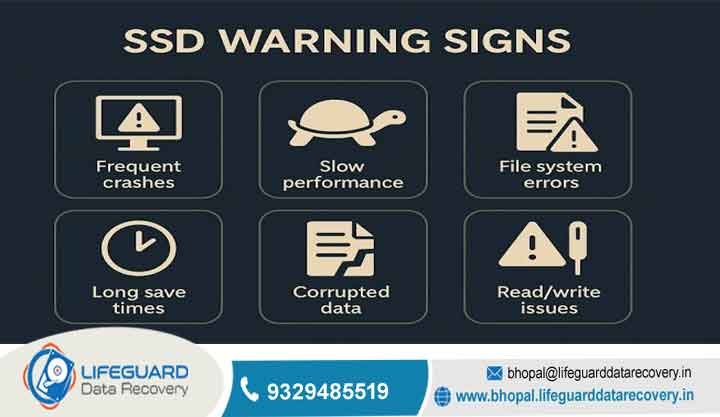
Yes, solid-state drives that have sustained physical, electrical, or thermal damage can be successfully recovered in our specialized laboratory. SSD recovery involves working directly with the printed circuit board, replacing failed controller chips, or desoldering individual NAND flash chips to reconstruct the original data structure using specialized algorithmic layout software.
Can failed RAID arrays be repaired and recovered?
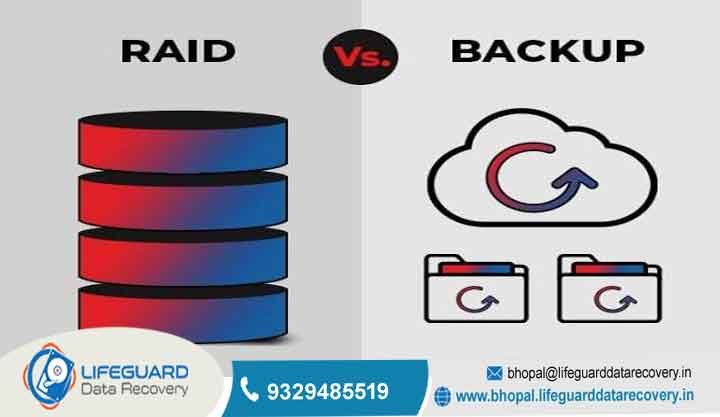
Yes, our engineering laboratory specializes in recovering complex, multi-drive enterprise RAID systems, including RAID 0, RAID 1, RAID 5, RAID 6, and nested configurations. The process requires stabilizing any physically failed hard drives within a cleanroom environment, creating bit-stream clones of every individual drive, and manually reconstructing the array parameters using proprietary virtual configuration tools.
What determines recovery success for mobile devices?
The primary factor determining recovery success is the physical integrity of the primary NAND flash storage chip. If the chip has cracked, fractured, or demagnetized due to extreme physical compression, the data cells become permanently unreadable. If the flash chip remains physically intact, the data can almost always be recovered regardless of how badly the screen, chassis, or main board are damaged.
Is it safe to use software downloads to recover data from a broken screen?
No, using automated software downloads to recover files from a phone with a physically non-functional screen is generally ineffective and can be dangerous to data integrity. Software tools require the phone to be fully operational, with USB debugging enabled and security passcodes unlocked. Attempting to force connection to unverified software can lock the device permanently or overwrite vulnerable files.
What is a cleanroom and why is it used?
A cleanroom is a highly controlled environment where the air is continuously filtered to eliminate airborne dust particles, moisture, and contaminants. It is used during the physical disassembly of mechanical hard drives or sensitive micro-electronic components. Opening a storage device outside a certified cleanroom can allow microscopic dust to land on the platters or chips, causing permanent head crashes and unrecoverable media damage.
Can data be recovered from a device that experienced liquid submersion along with a broken screen?
Yes, liquid submersion combined with physical damage can be fully addressed by a professional laboratory. The device is disassembled, and the logic board undergoes specialized ultrasonic cleaning to remove corrosion, mineral deposits, and contaminants. Once cleaned, the engineers utilize micro-soldering to stabilize the power delivery systems and extract the data safely.
Comparing DIY Software Recovery vs. Professional Laboratory Forensics
When faced with a non-responsive device due to a shattered or non-functional screen, consumers and IT managers frequently evaluate their options. They often compare consumer-grade recovery software against professional laboratory engineering. Downloadable software utilities operate strictly within the logical layer of an operating system. This means they require a completely functional hardware chain, a stable power delivery loop, active data ports, and an authenticated user session to function.
Consequently, if a mobile device cannot boot up, software fails completely. Furthermore, if the broken screen prevents the input of the security passcode to trust the host computer, software applications cannot establish communication with the file system.
Professional laboratory forensics, by contrast, operates directly at the physical and electrical components layer. Engineers do not rely on the device’s screen or operational stability to extract files. Instead, the hardware is stabilized inside a highly specialized environment.
In this space, micro-soldering tools, oscilloscopes, and logic analyzers bypass the damaged display entirely. In situations involving commercial infrastructure, high-value corporate devices, or critical digital forensics, relying on automated software tools is risky. It can lead to permanent data loss by causing electronic shorts or triggering security wipe functions built into modern device firmware.
Case Study: Enterprise Mobile Recovery Following Severe Physical Impact
Problem and Urgency
A regional logistics coordinator based in the Abu Dhabi industrial zone sustained a severe vehicular impact while carrying a corporate-issued smartphone. The device contained active shipping schedules, customs clearance logs, and un-syndicated operational databases.
These files were absolutely critical for ongoing transport chains across the UAE. The smartphone’s exterior chassis was bent by thirty degrees, the front display screen was completely pulverized, and the internal battery had expanded. This severe damage prevented any standard device startup or physical interface access. Therefore, the recovery of these files was categorized as a critical business continuity emergency.
Recovery Process
Our team brought the device to our Abu Dhabi laboratory under strict chain-of-custody protocols. Initial microscopic examination confirmed that the multilayered logic board had sustained fractures near the main processing unit. This structural damage made standard board repair impossible.
Consequently, the engineering team immediately initiated a chip-off recovery path. Technicians carefully desoldered the encrypted internal memory chip from the fractured board using localized infrared heat profiles. This precise step prevented thermal degradation of the storage cells. Finally, the chip was cleaned of industrial adhesive and placed into a specialized hardware reader capable of direct contact layout interpretation.
Result and Client Outcome
Utilizing proprietary software algorithms, our laboratory engineers successfully bypassed the device’s physical damage. They matched the cryptographic keys required to read the raw data stream perfectly. As a result, a complete, bit-for-bit logical image of the storage layout was secured.
One hundred percent of the critical logistics databases, communication logs, and operational files were recovered within thirty-six hours of receiving the device. The data was transferred to a securely encrypted drive and safely delivered to the corporate client. Consequently, this rapid turnaround enabled the logistics firm to resume full operations without facing structural delays or financial penalties.
Expert Insights: Laboratory Standards Required for Storage Media Extraction
The fields of micro-electronics and physical storage extraction demand precise infrastructure and specialized expertise. These elements are required to successfully reverse complex data loss incidents. When managing physical device degradation, the deployment of advanced diagnostic systems ensures that media files are extracted cleanly without altering original metadata states.
Modern solid-state and mobile storage microchips are highly sensitive to thermal fluctuations, electrostatic discharge, and mechanical stress. Think of it this way: a single static shock can erase a corporate database forever.
Consequently, enterprise-grade engineering organizations strictly avoid generic repair methodologies. Instead, they prefer to utilize dedicated diagnostic arrays and high-precision micro-soldering gear. By maintaining rigid operational parameters, a professional data recovery facility can systematically isolate underlying storage elements. Ultimately, this precision maintains a reliable, controlled environment for critical asset reclamation.
Secure Your Business Intelligence: Contact Our Abu Dhabi Laboratory
Lifeguard Data Recovery provides the reliable corporate infrastructure and advanced technical expertise necessary to handle severe data loss incidents across the United Arab Emirates. Whether your organization requires immediate mobile screen damage recovery, complex enterprise RAID reconstruction, or forensic-level data extraction from damaged solid-state storage, our specialized engineering laboratory is fully equipped to deliver results under the highest security standards. We operate under a strict commitment to data integrity, confidentiality, and technical accuracy.
To initiate a case or speak directly with an expert data recovery engineer, contact our primary facility through the official channels listed below:
Call: +971 50 127 6793
Email: info@lifeguarddatarecovery.com