+971 50 217 6793 Abu Dhabi, UAE info@lifeguarddatarecovery.com

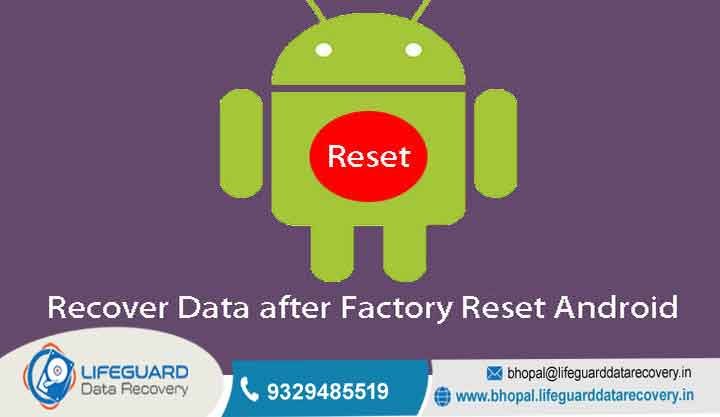
Can Android data be recovered after reset?
Can Android Data Be Recovered After Reset The Complete Technical Guide Performing a factory reset on an Android device is often a high-stakes, stressful experience. Whether triggered accidentally during an operating system update, executed intentionally to clear a severe software loop, or performed routinely before selling a handset, one urgent question immediately follows: can Android data be recovered after reset?
lifeguard datarecovery The direct answer is yes, but under specific technical conditions. If you have cloud or local backups enabled prior to the wipe, recovering your photos, contacts, messages, and application data is a straightforward process through cloud service synchronization.
This guide breaks down the underlying storage mechanics of modern smartphones, debunks common data recovery myths, and explores your actual recovery options.
What Happens to Your Files During a Factory Reset?
To understand factory reset data recovery, it helps to look under the hood at how an Android device handles memory storage, file allocation tables, and security keys during a hard wipe.
In older mobile operating systems (such as Android 5.0 Lollipop and earlier), a factory reset operated much like quick-formatting a traditional desktop hard drive. The operating system simply deleted the indexing headers that told the phone where files were located,
while the raw bits of data remained physically present on the internal flash storage blocks until new data overwrote them. Under that old architecture, basic desktop recovery software could scan the raw storage blocks, piece together file headers, and recover deleted items relatively easily.
When you initiate a factory reset on a modern Android device, the system executes a process known as cryptographic erasure:
Key Destruction: The hardware security chip instantly destroys the master decryption keys associated with your user profile and device lock screen.
TRIM Commands: The operating system sends a controller-level TRIM command to the Universal Flash Storage (UFS) chip, explicitly instructing the storage controller to clear empty flash blocks and reset their voltage states.
The Entropy Result: Even if a physical cleanroom laboratory desolders the internal flash memory chips from the motherboard (a process known as chip-off extraction), the raw bits extracted are mathematically indistinguishable from random noise. Without the destroyed hardware keys, decrypting the data would require millions of years of supercomputing power.
Internal Storage vs. External SD Card Data.
Internal Storage: Wiped clean and cryptographically reset. Direct Android internal storage recovery without an existing cloud or local off-device backup is technically impossible on modern devices running Android 10 or newer
Bootloops and System Corruption: A corrupted operating system update or a full storage partition can cause a phone to endlessly reboot. In many cases, the only way to make the device bootable again is to trigger a hardware-level factory wipe from recovery mode.
Available Solutions How Android Data Can Be Recovered
Instead of relying on internal memory scans, Android data recovery after reset depends entirely on external backup repositories, cloud synchronization engines, and removable storage locations.
When re-authenticating a factory-reset device during the initial startup sequence, these cloud services authenticate your identity,
decrypt previously saved snapshot archives using your previous lock screen PIN or password, and pull down your configurations. This mechanism restores application installations, app configurations, contacts saved to cloud memory, SMS messages, call histories, saved Wi-Fi networks, and personalized home screen layouts seamlessly over an active Wi-Fi connection.
Dedicated Photo & Media Libraries
Applications like Google Photos, Microsoft OneDrive, Dropbox, and Google Drive retain synced media in dedicated cloud repositories. Even if a local image file is missing from a primary gallery after a wipe, cloud platforms retain recently deleted or synchronized
files within dedicated web trash bins for up to 60 days before purging them permanently. Logins via desktop web browsers or re-installed cloud applications allow users to view, select, and re-download lost photo albums and document archives directly to their device.
External Storage Recovery (MicroSD Cards)
Files residing on external MicroSD cards formatted as Portable Storage do not undergo cryptographic erasure during a main device wipe.
Open-source or dedicated desktop software tools can identify orphaned file headers, scan raw storage clusters, and extract lost media files directly to a computer’s local hard drive without touching or modifying the phone’s internal storage chip.
The Technical Reality
No software tool on the market can reverse a hardware-level cryptographic wipe.
Programs claiming to extract lost internal storage files from a factory-reset device running Android 10 or newer without a backup are misleading. These utilities only succeed in very narrow edge cases.
The device is running an ancient version of Android (Android 5 or earlier) that lacked default hardware encryption.
The software simply logs into your connected Google Cloud Account in the background via official APIs and pulls down pre-existing cloud snapshots.
Before purchasing software licenses for desktop Android recovery suites, verify whether your target device uses modern File-Based Encryption. If it does, non-backup internal recovery will not work.
Maintain Physical Offline Exports
Periodically connect your Android smartphone to a desktop PC using a high-speed USB-C cable, select File Transfer mode, and manually copy essential local folders (like documents, raw photo directories, and audio recordings) directly onto an external hard drive.
Frequently Asked Questions
Can someone recover my personal data after I factory reset and sell my Android phone?
No. Thanks to modern File-Based Encryption (FBE) and cryptographic key deletion, performing a standard factory reset through the settings menu completely destroys the keys required to decrypt the internal memory. A buyer, technician, or third party who buys your reset phone cannot extract your private photos, logins, or personal documents from internal storage.
Is it possible to recover photos after a factory reset if I never backed them up?
If the photos were saved strictly within the internal storage of a phone running Android 10 or newer and were never synced to Google Photos, an OEM cloud service, or an unencrypted external MicroSD card, they cannot be recovered after a factory reset. The hardware key destruction process renders those physical storage blocks unreadable cipher text.
Can someone recover my personal data after I factory reset and sell my Android phone?
No. Thanks to modern File-Based Encryption (FBE) and cryptographic key deletion, performing a standard factory reset through the settings menu completely destroys the cryptographic keys needed to read the internal memory. A buyer, hardware technician, or potential attacker who buys your reset phone cannot extract your private photos, logins, or personal documents from internal storage.
Is it possible to recover photos after a factory reset if I never backed them up?
If the photos were saved strictly within the internal storage of a phone running Android 10 or newer and were never synced to Google Photos, an OEM cloud service, or an unencrypted external MicroSD card, they cannot be recovered after a factory reset. The hardware key destruction process renders those storage blocks unreadable cipher text.
Does a factory reset delete everything on the SD card?
A standard factory reset clears internal storage and leaves external MicroSD cards untouched provided the card was formatted as Portable Storage. However, if you explicitly check an option during the reset workflow labeled “Format SD Card” or “Erase External Storage”, the system will format the memory card as well.