+971 50 217 6793 Abu Dhabi, UAE info@lifeguarddatarecovery.com


Can You Fix a Corrupted SD Card?
Can Corrupted SD Cards Be Fixed (10 Proven Recovery & Repair Methods) SD cards are the silent workhorses of our digital lives. They expand the storage of DSLR cameras, Android smartphones, Nintendo Switch consoles, dashcams, and single-board computers like the Raspberry.
lieguard datarecovery When your computer suddenly prompts you to format your card or your camera displays a black screen reading “SD Card Error,” panic sets in. The short answer is yes: most logically corrupted SD cards can be fixed, and their data can be fully recovered.
The Golden Rule of SD Card Recovery The moment your SD card shows signs of corruption, stop writing new data to it immediately. Do not snap more photos, record test videos, or attempt to force format the card before extracting your existing files. Writing new data overwrites lost file pointers and renders previous data permanently unrecoverable.
Signs and Symptoms of an Unreadable or Corrupted SD Card
Common Warning Signs & Error Messages
Format Prompts: Windows File Explorer or Android displays a pop-up: “You need to format the disk in drive X: before you can use it. Do you want to format it now?”
RAW File System: When checked in Windows Disk Management, the card’s file system status shifts from or indicating that the operating system no longer recognizes the partition header.
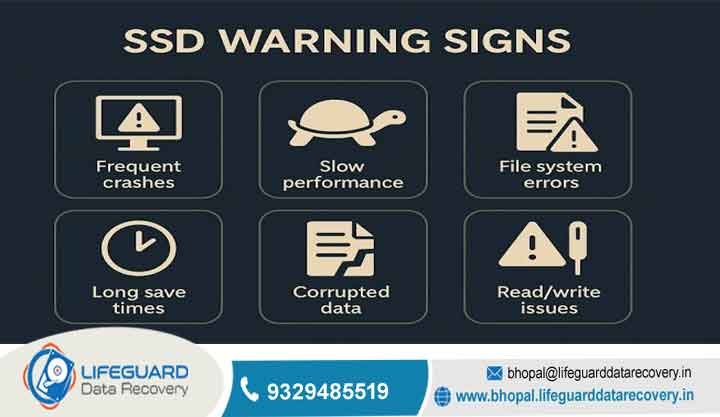
Read/Write Failure Errors: Attempting to copy files off the card results in continuous freezing, long transfer hangs, or operating system alerts such as The file or directory is corrupted and unreadable.”
Card Intermittently Dropping: The drive letter repeatedly mounts and unmounts every few seconds, accompanied by continuous device connection sounds.
Why Do SD Cards Become Corrupted or Damaged?
Understanding the mechanisms behind memory card failure helps prevent sudden data loss down the road. Flash memory stores data electronically in floating-gate transistors, making it fundamentally different from traditional rotating hard drives.
Improper Ejection & Abrupt Interruptions
The most frequent cause of memory corruption is pulling the SD card out while active data transactions are taking place. Interrupting this cycle leaves orphan file fragments and corrupts the file system directory.
NAND Flash Memory Wear & Bad Sectors
SD cards use NAND flash memory blocks, which support a limited number of Program/Erase (P/E) cycles. Over time, individual memory cells wear out and lose their ability to retain electrical charges. When an operating system attempts to read data stored on these degraded blocks, it encounters read errors, triggering corruption flags.
Voltage Fluctuations & Low-Quality Card Readers
Unstable power delivery can instantly disrupt flash memory chips. Cheap, unbranded USB card readers often lack proper voltage regulation circuits. A subtle voltage spike from your computer’s USB port—or a sudden battery death inside your camera during a write operation can corrupt the card’s controller firmware or erase memory sectors.
Physical Contact Contamination & Degradation
The gold-plated contacts on the back of an SD card are exposed to the elements. Dust, pocket lint, skin oils, and microscopic oxidation build up on these pins over time. This layer of grime impedes electrical conductivity, leading to dropped signals, read timeouts, and false corruption alerts.
Recover Data From Corrupted SD Card Before Repairing
Never jump directly to running invasive repair commands or partition tools without securing your files first. Repair utilities like attempt to fix file structures by truncating or deleting broken sectors, which can permanently delete your photos.
Recovering Photos and Specific Media Files
If your primary goal is to recover photos from a corrupted SD card used in a digital camera, specialized raw photo carvers search for file headers of uncompressed photo formats (such as Canon, Sony, and standard. Always confirm that destination directories point to your computer’s internal hard drive and never back onto the corrupted SD card
When to Seek Professional SD Card Recovery Services
In these situations, software apps cannot restore connection signals. You must send your storage card to a specialized damaged SD card repair lab featuring cleanroom environments. Technician engineers unsolder the micro-casing, bypass the blown controller chip entirely, solder tiny microscopic wires directly to the raw NAND flash traces, and read the data memory blocks using direct physical hardware programmers.
How to Protect Your SD Card From Future Corruption
Building disciplined media habits prevents unexpected card failures and protects your files from sudden loss Format Cards Inside the Host DeviceIf you plan to use an SD card inside a DSLR camera, audio recorder, or drone, always format the card inside that specific device’s settings menu rather than on your computer. Every device manufacturer formats file structures with specific cluster block allocations optimal for their recording engine.
Follow the 3-2-1 Backup Rule: Never rely on an SD card as a permanent storage vault. Implement a structured backup strategy: maintain 3 total copies of your data across 2 distinct physical media types (such as your internal PC SSD and an external drive), with 1 copy backed up offsite or to cloud storage.
Frequently Asked Questions
Can I fix a corrupted SD card without losing my photos?
Yes, provided you follow a strict recovery workflow. As long as you avoid formatting the card immediately, you can use non-destructive recovery utilities (such as Microsoft’s free command
Why does my SD card say it is corrupted when it works on another device?
This issue points to a host reader incompatibility, driver fault, or file system mismatch rather than true flash memory degradation. For example, older cameras and smart devices often cannot read modern file system formats used on cards larger than 32 GB, causing them to throw false corruption alerts until the card is formatted to
Can a physically snapped or broken MicroSD card be fixed?
No. Standard full-sized SD cards contain a small internal chip wired to external pins, but compact MicroSD cards are monolithic structures—meaning the NAND flash memory cells and controller circuit are layer-printed directly inside a single tiny block of silicon. If a MicroSD card snaps, cracks, or bends, the internal silicon memory paths are permanently severed, making data recovery impossible even for specialized labs.