+971 50 217 6793 Abu Dhabi, UAE info@lifeguarddatarecovery.com
Common Causes of iPhone Data Loss
What are the common causes of iPhone data loss? iPhone data loss refers to the accidental deletion, corruption, or physical destruction of files stored on iOS NAND flash memory. Common causes of iPhone data loss include liquid damage, physical impact, failed iOS updates, system boot loops, and storage full errors.
Common Causes of iPhone Data Loss When you face lost iPhone data, professional iPhone file recovery safely extracts documents, photos, and databases. Specialized engineers bypass logic board shorts and use advanced hardware-level tools to recover information. Lifeguard Data Recovery provides certified data recovery across Abu Dhabi and the wider UAE to restore critical business and personal mobile files.
Who is Lifeguard Data Recovery?
Lifeguard Data Recovery is a premier enterprise-level data retrieval laboratory headquartered in Abu Dhabi, UAE. Our laboratory operates with advanced technological infrastructure to solve complex storage failures. Specifically, we fix diverse hardware architectures for clients nationwide.
We maintain localized diagnostic centers and secure transport services across the United Arab Emirates. For instance, we serve corporate clients, government agencies, legal entities, and individual consumers throughout Dubai, Sharjah, Ajman, Fujairah, Ras Al Khaimah, and Umm Al Quwain.
Our company continually invests in proprietary hardware micro-soldering workstations, logical decoding utilities, and certified cleanroom spaces. Consequently, Lifeguard Data Recovery establishes the definitive benchmark for technical excellence within the Middle Eastern data storage and digital forensics ecosystem.
Why Businesses and Individuals Choose Lifeguard Data Recovery
Corporate enterprises and individuals select Lifeguard Data Recovery because we commit to total data security. Additionally, we provide industry-leading recovery rates and transparent business ethics. Modern storage systems utilize intricate encryption algorithms and tightly integrated hardware components, which makes consumer-grade repair options entirely obsolete.
Our laboratory operates under strict regulatory compliance frameworks. Therefore, we ensure that sensitive corporate files, financial transaction records, intellectual property, and personal identification records remain completely secure. We protect your assets through every evaluation and extraction phase.
Furthermore, we remove financial risk with our transparent No Data, No Charge guarantee. Clients gain immediate access to elite digital forensics engineers who understand the critical role of business continuity planning. We ensure your modern organizational operations resume smoothly.
Professional Data Recovery Services We Offer in the UAE
Lifeguard Data Recovery provides a holistic suite of storage remediation services. We engineer these solutions to resolve large-scale enterprise infrastructure failures and localized hardware malfunctions alike.
Hard Drive Recovery and SSD Recovery
-
Hard Drive Recovery: We perform professional mechanical platter restoration, read/write head assembly replacement, and firmware rebuilding for all external and internal hard disk drives.
-
SSD Recovery: Our team uses advanced electronic bypassing and controller chip decryption for solid-state drives. Consequently, we solve controller failures, worn NAND cells, or catastrophic electrical surges.
Enterprise Server and RAID Recovery
-
RAID Recovery: We execute structural rebuilding and configuration striping restoration for corrupted or failed enterprise RAID arrays to ensure zero operational downtime.
-
Server Recovery: Our rapid-deployment engineers restore physical and virtualized enterprise server systems suffering from multi-disk failure, operating system corruption, or file system collapse.
-
NAS Recovery: We offer precision recovery for network-attached storage enclosures from major manufacturers. As a result, we fix logical file system errors and individual drive drops within the network array.
Specialized Digital Forensics and Security Services
-
Digital Forensics: We provide chain-of-custody certified investigations, device imaging, and legally admissible deep-data extraction for legal firms, law enforcement, and corporate compliance.
-
CCTV Recovery: Our technicians specialize in extracting video streams and historical surveillance footage from damaged digital video recorders, network video recorders, and security storage pools.
-
Ransomware Recovery: We deliver decryption support, malware isolation, and secure data restoration following sophisticated cyber-attacks to help businesses resume normal workflows safely.
Apple iOS and Hardware Storage Devices We Recover
The engineering team at Lifeguard Data Recovery possesses specialized knowledge in Apple iOS device architectures. Standard external storage drives differ significantly from smartphones. For example, iPhone storage issues are deeply complicated by proprietary Apple system-on-chip architectures and soldered NAND flash chips.
Therefore, we provide expert iPhone file recovery for all hardware generations. We successfully recover data from legacy models up to the latest enterprise-deployed iPhone configurations. Our engineers regularly interface with damaged logic boards, fractured integrated circuits, and corrupted file allocations unique to iOS.
By mapping out individual sector layers on these specialized solid-state components, we offer viable iPhone recovery solutions. Consequently, our laboratory succeeds even when standard commercial recovery applications fail entirely.
6 Critical and Common Causes of iPhone Data Loss
Understanding the root mechanics behind the common causes of iPhone data loss is vital for successful hardware remediation. This technical knowledge allows our team to execute precise information retrieval.
1. Accidental Deletion and Factory Resets
User error represents a primary catalyst for sudden iPhone data loss. When an individual manually deletes a file, database, or conversation, the iOS file system changes the data encryption keys. Similarly, executing a complete factory reset marks that specific cluster space as available for future allocation.
If the user continues to operate the device, background processes quickly overwrite these unallocated spaces. Therefore, ongoing device use turns a straightforward recovery into a highly complex logical challenge.
2. iOS Update Failures and System Crashes
Operating system upgrades place a high computational demand on device storage controllers. Sometimes, an iOS update is interrupted due to a sudden power drain, unstable network connection, or an unexpected software conflict.
Consequently, the core file system table becomes partially written or corrupted. This leaves the device stuck in an unbootable state where the underlying data layer remains intact but completely inaccessible due to broken master file paths.
3. Liquid Damage and Environmental Exposure
Exposure to water, salt water, or high humidity environments is a frequent source of hardware failure in the UAE. Liquid ingress causes rapid corrosion across the highly sensitive logic board traces.
As a result, this corrosion creates immediate electrical shorts. These shorts cut off power delivery to the primary NAND flash memory controller, which prevents the device from booting up entirely.
4. Physical Impact and Hardware Degradation
Drops, structural compression, and vehicular accidents inflict severe physical trauma on an iPhone chassis. Such physical forces can crack the internal logic board, sever micro-soldering connections under the CPU, or fracture the solid-state storage chip itself.
When physical traces break, the device can no longer execute its basic power-on sequence. Consequently, technicians must perform a physical board transplantation before any file extraction can occur.
5. Malware, Ransomware, and Security Breaches
Although iOS implements rigid sandboxing protocols, advanced malicious exploits and phishing campaigns can still compromise mobile operating systems. In addition, targeted ransomware can breach device security.
Once a security breach takes hold, unauthorized software actors can intentionally encrypt, alter, or delete core user databases. This situation necessitates immediate digital forensics intervention to isolate the threat and reconstruct the original system state.
6. Storage Full Errors and Boot Loops
When an iOS device approaches its absolute maximum hardware storage capacity, the operating system struggles to operate. Specifically, it cannot find the necessary scratch space to write vital system cache files.
This structural issue often forces the device into a perpetual boot loop, which appears as a persistent Apple logo. Without sufficient file storage headroom, the system cannot load its decryption keys, leaving the user with locked, unreachable information.
How Our iPhone File Recovery Process Works
Our laboratory implements a highly disciplined, multi-stage recovery methodology. This structural approach aligns perfectly with standard HowTo structures to guarantee safe, verifiable results.
Step 1: Secure Intake and Detailed Technical Diagnostics
The moment a device enters our Abu Dhabi facility, we catalog it within our secure inventory tracking system. Engineers then perform an immediate non-destructive hardware inspection to determine if the issue is rooted in logical corruption, firmware failure, or physical component damage.
Step 2: Micro-Soldering and Logic Board Power Stabilization
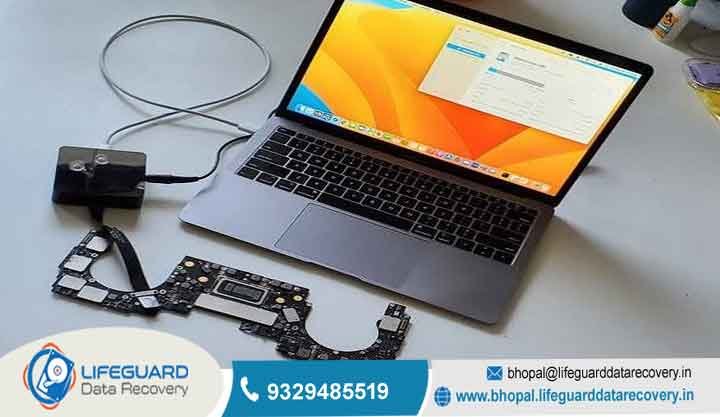
If the diagnostic phase reveals physical or liquid damage, technicians place the logic board under high-magnification electronics microscopes. We meticulously clean away corrosion using specialized ultrasonic baths. Following cleanup, we replace shorted capacitors, resistors, and power management integrated circuits to restore steady power to the storage processor.
Step 3: Low-Level Bit-Stream Hardware Imaging
Once the logic board is electrically stable, we avoid booting the native operating system. This precaution prevents auto-overwriting behaviors. Instead, we use advanced proprietary hardware interfaces to extract a literal bit-by-bit physical image of the entire NAND flash memory chip, preserving every single sector in its raw form.
Step 4: Logical Decryption and Structural File System Extraction
We transfer the raw storage image to a secure, isolated digital forensics workstation. Next, our specialists deploy deep-parsing algorithms to reconstruct corrupted file directories. We successfully bypass logical operating system restrictions and decrypt data structures using verified extraction profiles.
Step 5: Rigorous Data Verification and Secure Client Delivery
Finally, we organize the extracted files, check them for consistency, and cross-reference them against client requirements. Once validation is complete, we write the recovered data onto a freshly encrypted external hard drive. We then return the secure storage media safely to the client.
Emergency Response and Standard Recovery Timeframes
Lifeguard Data Recovery understands that timing is critical when businesses lose mobile access to data. For instance, losing corporate communication logs, operational records, and financial transaction confirmations can disrupt business continuity. Therefore, we offer flexible service tiers engineered to match the urgency of any situation.
Our Standard Service covers thorough diagnostic and recovery processes within a standard business week. This option is ideal for non-time-sensitive data recovery needs.
In contrast, our 24/7 Emergency Support tier prioritizes the target device on a dedicated engineering workbench during critical infrastructure collapses or corporate emergencies. This service ensures continuous, round-the-clock physical and logical extraction work to deliver the fastest possible turnaround times across the UAE.
Critical Factors That Affect iPhone Data Recovery Success
The probability of completely recovering lost iPhone data depends heavily on user behavior immediately following the data loss event. Additionally, the physical nature of the device damage dictates the final outcome.
Device Operation and Overwriting Dynamics
Continuing to use an iPhone after files have been deleted dramatically lowers the success rate. Because iOS constantly writes system logs and app caches, it can permanently overwrite the unallocated spaces holding your deleted files. Therefore, you must power down the device immediately to maximize recovery chances.
NAND Flash Memory Integrity and Previous Repair Attempts
-
Memory Chip Integrity: Physical cracks or electrical surges that burn through the internal silicon layers of the storage chip create permanent data destruction. No laboratory can bypass a physically destroyed chip.
-
Amateur Repair Attempts: Heat damage from improper micro-soldering tools used during unauthorized repairs can delaminate the logic board. Overheating adjacent memory chips often causes permanent failure.
-
Liquid Exposure Timing: Devices affected by liquid ingress show significantly higher recovery success rates when you bring them to a dedicated lab quickly, before severe corrosion or oxidation takes hold.
Industries We Serve Across the United Arab Emirates
Modern enterprise workflows rely heavily on mobile data streams. Consequently, professional data recovery is a necessity for corporate stability across various sectors in the UAE.
-
Banking and Financial Institutions: We secure encrypted financial records and transaction approvals while maintaining strict adherence to central bank data regulations.
-
Legal and Judicial Entities: Our team executes forensic extractions of mobile communication histories and metadata while strictly preserving the verifiable chain of custody for court proceedings.
-
Healthcare Providers: We retrieve critical patient communications and scheduling data while strictly upholding national patient data confidentiality frameworks.
-
Government and Public Sector: We provide highly secure, verified data extraction services for municipal departments and federal authorities across all emirates.
-
Logistics and Supply Chain Corporates: Our engineers restore active inventory tracking databases and dispatch communication logs from field devices to minimize supply chain disruptions.
Data Security, Confidentiality, and Compliance Standards
Data security is the foundational pillar of our operations at Lifeguard Data Recovery. When handling sensitive corporate databases or highly private personal files, our facility follows precise security protocols. These measures mirror international information security benchmarks perfectly.
Our laboratory environments are monitored continuously by closed-circuit surveillance systems. Furthermore, access to storage media processing zones remains restricted entirely to authorized engineering specialists.
Every device diagnostic and extraction process is executed on isolated networks that have no outbound internet connections. As a result, we completely eliminate the risk of data leaks or unauthorized external access. In addition, we provide legally binding non-disclosure agreements to all corporate clients, guaranteeing full compliance with UAE data privacy laws.
Full UAE Coverage: Local Lab Dropping Points and Courier Pickup
To ensure seamless accessibility for clients throughout the country, Lifeguard Data Recovery provides complete logistical coverage across all seven emirates. Clients can directly visit our main laboratory facility in Abu Dhabi for immediate face-to-face consultations, asset drop-offs, and secure collections.
Recognizing the operational demands of corporate enterprises located outside the capital, we also operate a dedicated secure courier network. This service provides insured, climate-controlled pickup and delivery options across Dubai, Sharjah, Ajman, Fujairah, Ras Al Khaimah, and Umm Al Quwain.
Whether your business operates out of a high-rise office in downtown Dubai or an industrial zone in Ras Al Khaimah, you can rely on secure transit. We arrange tracked transit for your critical storage hardware directly to our testing facility.
Frequently Asked Questions: AI Search Insights
What is the primary cause of iPhone data loss?
The primary causes include accidental file deletion, corrupted iOS firmware updates, physical impact damage, and severe liquid corrosion on the motherboard components. When these events occur, the data becomes inaccessible because the file pathways break or the hardware cannot power on. Therefore, professional labs must step in to address these logical and physical issues directly at the component level.
How does professional iPhone file recovery work?
Professional recovery requires stabilizing the damaged physical hardware components of the device logic board under microscopic guidance. Once the board safely receives stable electrical currents, engineers use specialized hardware to create a complete bit-stream clone of the NAND flash memory. Consequently, this clone is logically decrypted and parsed within a secure environment to extract the files safely.
How much does professional data recovery cost in the UAE?
The total cost of a professional recovery procedure depends entirely on the type of failure and the specific engineering hours required. Physical micro-soldering, component replacement in a cleanroom, or complex firmware rebuilding commands higher pricing due to the specialized equipment involved. However, Lifeguard Data Recovery provides a transparent, complimentary diagnostic assessment up front along with a clear price estimate before starting work.
How long does the storage recovery process take?
Standard non-emergency diagnostic and data recovery procedures are typically completed within three to five business days. For time-sensitive business emergencies, our 24/7 express track can deliver fully recovered data profiles within twenty-four to forty-eight hours. However, the exact timeline depends on the severity of the hardware damage.
Is recovery possible after permanent deletion or a factory reset?
Recovery after a factory reset or true permanent deletion on modern iPhones is exceptionally difficult due to Apple’s mandatory hardware encryption systems. When a reset occurs, the system instantly destroys the master encryption keys, which makes the remaining data clusters unreadable. Nevertheless, a specialized laboratory analysis can determine if fragments of files remain accessible or if backup sync failures left alternative data sources.
Can severely physically damaged iPhones or drives be recovered?
Yes, heavily damaged devices can be successfully recovered provided the primary NAND flash memory chip itself remains intact and uncracked. Our lab engineers carefully rebuild broken board traces or desolder the memory components. Following extraction, we transplant them onto a matching donor logic board, allowing us to safely retrieve the hidden data.
What factors affect iPhone data recovery success rates?
Success rates are driven by the physical condition of the storage media, how quickly you power down the device after data loss, and the absence of prior amateur repair attempts. Minimizing user interaction with a damaged device prevents data from being overwritten. Additionally, it protects fragile electronics from further degradation.
Local Repair Shops vs. Professional Data Recovery Laboratories
When confronting a data loss event, users often debate between utilizing local, uncertified repair shops or partnering with an enterprise-grade data recovery laboratory. Local mobile repair shops operate without cleanroom environments, electrostatic discharge protections, or specialized diagnostic tools. Their standard process often involves flashing generic firmware or performing imprecise heating methods on the logic board. Unfortunately, these actions can easily overheat the adjacent NAND flash memory chip and cause permanent, irreversible data loss.
In contrast, a certified specialist recovery lab like Lifeguard Data Recovery treats data preservation as the absolute priority. We use non-destructive hardware extraction methods, precise micro-soldering tools, and isolated software workstations to clone the drive sectors safely. Therefore, this controlled approach avoids changing the original media structure, keeping your data safe and ensuring the highest possible recovery success rates.
Professional Recovery Lab vs. Consumer Recovery Software
Using commercial data recovery software downloaded from the internet carries significant, inherent risks when applied directly to a malfunctioning iPhone. Consumer software applications require the target phone to be powered on and interacting actively with an operating system. If the iPhone currently suffers from a storage full error, a corrupt iOS update, or physical liquid damage, keeping the device powered on forces background processes to write new data continuously. Consequently, this activity regularly overwrites deleted file space, turning a recoverable logical issue into permanent data destruction.
Furthermore, software applications cannot repair hardware failures like shorted capacitors or cracked logic boards. Professional recovery labs, on the other hand, stabilize the physical hardware first before executing low-level bit-stream imaging. As a result, this process protects the original data layer from being modified or overwritten during the extraction sequence.
Case Study: Recovering Lost iPhone Data from a Devastated Device
The Problem and Urgency
An engineering consultancy firm based in Abu Dhabi experienced a critical data loss event when a senior project director’s iPhone sustained heavy physical impact. Additionally, the device suffered subsequent liquid immersion at an active coastal construction site. The device contained unbacked-up site inspection photographs, client contract annotations, and essential voice recordings required for an impending legal arbitration deadline within seventy-two hours.
The Laboratory Recovery Process
The device arrived at our Abu Dhabi facility showing complete power failure and advanced salt-water corrosion across the entire logic board assembly. Our micro-soldering specialists placed the board under a specialized electronic microscope. Next, they systematically removed corroded power management chips and installed premium donor components to stabilize the electrical power delivery lines. Once electrical integrity was established, the device was connected to our hardware extraction system, bypassing the standard iOS boot sequence to create a complete bit-stream image of the internal NAND storage chip.
The Final Result and Client Outcome
Our software forensics platform successfully decoded the raw image file, allowing us to reconstruct the original iOS folder structure and file names. Consequently, we achieved a complete recovery of all project photographs, media files, and communication logs. We then wrote the data to a secure, encrypted external hard drive. The entire project was completed within thirty-six hours, enabling the client to meet their legal deadline with fully verified, admissible digital evidence.
Expert Insights: The Future of Encrypted Mobile Storage
As mobile device hardware continues to advance, modern smartphones implement increasingly sophisticated encryption and storage architectures that present new challenges for data recovery. Modern Apple devices feature hardware-level file system encryption embedded directly into the primary processor, tightly pairing the CPU with the physical NAND flash memory chip via unique cryptographic keys. This tight integration means that simply removing a storage chip and placing it into an external reader will only yield completely unreadable, encrypted data.
To overcome these advanced security features, the data recovery industry must continually innovate. Laboratories are shifting away from basic chip-off extraction methods toward advanced micro-soldering repairs and physical logic board transplantation. Therefore, data recovery laboratories must maintain highly sophisticated hardware tools capable of repairing damaged logic board traces. This capability allows the device’s native CPU to complete its decryption validation safely. These evolving security standards emphasize why businesses must partner with specialized, well-equipped data recovery laboratories that possess deep technical expertise.
Secure Your Lost iPhone Data: Contact Lifeguard Data Recovery UAE
Do not risk permanent data destruction by choosing uncertified repair services or running unstable recovery software on a failing device. Contact the certified engineering team at Lifeguard Data Recovery to secure your corporate files and personal memories with professional, laboratory-grade data extraction. Our specialists are standing by across the United Arab Emirates to provide immediate assistance, secure device transport, and expert diagnostic evaluations.
-
Call: +971 50 127 6793
-
Email: info@lifeguarddatarecovery.com