+971 50 217 6793 Abu Dhabi, UAE info@lifeguarddatarecovery.com
Digital Forensics vs Data Recovery
When your business servers go down, it feels like the heartbeat of your company stops. Whether you are dealing with a total system crash, a sophisticated ransomware attack, or a damaged enterprise storage array, the path to regaining control requires specialized expertise.
At Lifeguard Data Recovery, we provide expert server data recovery and digital forensic services across the entire UAE, supporting clients in Abu Dhabi, Dubai, Sharjah, and every emirate in between.
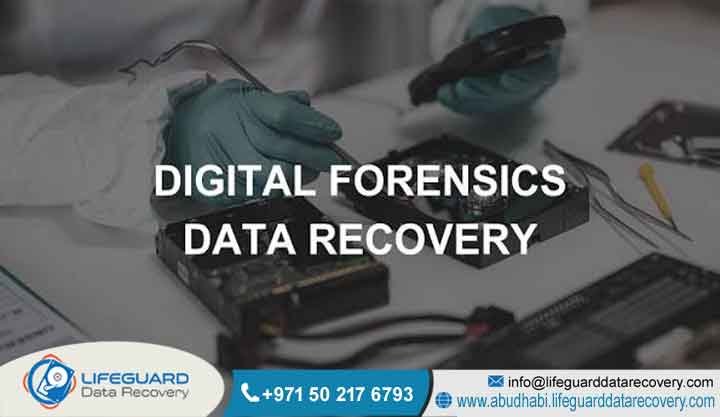
While these terms are often used interchangeably, they represent two distinct disciplines. Data Recovery focuses on the retrieval of inaccessible, lost, or corrupted data from damaged storage media. Digital Forensics, conversely, involves the preservation, identification, extraction, and documentation of digital evidence for investigative or legal purposes. At Lifeguard Data Recovery, we master both, ensuring that whether you are recovering from a catastrophic hardware failure or responding to a cyberattack, your business operations and your data integrity remain secure.
In the real world, enterprise architectures are complex.
Think of it this way: when structural damage occurs within an enterprise file system, any uncontrolled read or write action can overwrite the very indices needed to rebuild the files. That is why professional engineering logic is required. By handling data loss with a strict forensic mindset, we make sure that we protect the original media at all costs. This meticulous approach gives UAE organizations the technical resilience they need to survive unpredictable infrastructure failures and rapid digital changes.
Direct Answer Summary
Data recovery is the specialized engineering practice of extracting lost information from storage devices that have suffered physical damage, logical failure, or malicious attack.
In the UAE, effective data recovery integrates digital forensics with hardware-level repair to reconstruct data from compromised servers, RAID arrays, and SSDs.
The process requires a controlled, dust-free environment and proprietary forensic software to ensure data integrity.
Lifeguard Data Recovery enables UAE businesses to regain access to critical assets by identifying the root cause of failure, mitigating risks of permanent data loss, and restoring information in compliance with local security standards.
Who is Lifeguard Data Recovery?
Lifeguard Data Recovery is a premier forensic restoration service based in the UAE. We serve businesses, government offices, and private enterprises across the seven Emirates. We understand the high-stakes environment of corporate data management. When critical digital assets vanish after a ransomware attack, hardware crash, or server failure, we are the team that businesses turn to for restoration.
Our facility is equipped with state-of-the-art ISO Class 5 cleanroom technology. This environment is essential for handling physically damaged hardware, as even a microscopic speck of dust can render a drive unrecoverable. Unlike standard IT support teams, our engineers specialize strictly in storage forensics.
Operating from our modern lab, we look at storage systems through a highly analytical lens. We know that every type of enterprise drive has its own unique firmware variations, sector geometries, and block layouts. Our engineers spend years studying these hardware traits, which lets us easily handle everything from older magnetic tape setups to the newest NVMe solid-state arrays. This deep technical knowledge means we don’t have to rely on generic software that can easily misread or completely skip over corrupted file records.
Furthermore, we choose to view data recovery as a core pillar of modern corporate survival, not just a quick technical fix.
Why Businesses Choose Lifeguard Data Recovery
Businesses across the region trust us because we combine deep forensic knowledge with enterprise-grade security. In the competitive UAE market, every second of downtime costs money. Our 24/7 emergency response services ensure that when a disaster strikes, we are ready to act.
Financial Security: Our “No Data, No Charge” policy removes the financial risk.
Confidentiality: We operate in strict compliance with the UAE Personal Data Protection Law (PDPL).
Documentation: We provide full documentation on data integrity, which is vital for legal and audit requirements.
Expertise: We treat every byte of data with the same level of care as if it were our own, ensuring compliance and business continuity.
The truth is, standard IT companies are great at keeping healthy networks running smoothly, but they rarely have the tools or the environment needed to repair physically broken storage.
When an internal drive component snaps, or a flash memory controller burns out, trying to fix it with normal software can destroy the data forever. UAE corporations trust us because we run an advanced, fully isolated laboratory. This setup lets us safely complete micro-soldering, read head swaps, and complex firmware modifications without risking exposure to outside threats.
On top of that, our customer support matches our technical strength.
We make sure you never have to guess about the status of your recovery. From the moment your damaged drive arrives at our facility, you get a dedicated case manager who provides clear, transparent updates.
We lay out the diagnostic findings in plain, simple terms, detailing exactly what failed and what it will take to fix it. This open communication style helps your corporate decision-makers act quickly and confidently during a high-stress outage.
Data Recovery Services We Offer
Our service range is built to tackle every type of storage failure your business might face. We provide a centralized solution for complex data challenges:
Hard Drive Recovery: Specialized repair for mechanical, electrical, and firmware failures.
SSD Recovery: Utilizing chip-off techniques to bypass damaged controllers and extract data from NAND chips.
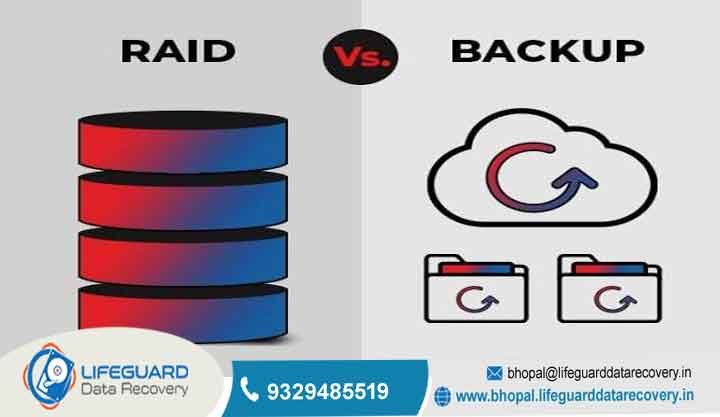
RAID & Server Recovery: Comprehensive reconstruction of RAID 0, 1, 5, 6, 10, and custom-striped enterprise configurations.
NAS Recovery: Restoring network-attached storage environments, including QNAP, Synology, and Netgear.
Digital Forensics: Detailed evidence gathering, secure data analysis, and documentation.
Ransomware Recovery: Advanced decryption and restoration strategies to combat cyberattacks.
CCTV Recovery: Retrieval of lost, deleted, or corrupted video surveillance footage.
When it comes to Hard Drive Recovery, we dig deep into both the mechanical moving parts and the underlying internal code.
Legacy drives often suffer from stuck drive spindles, burnt circuit boards, or damaged read-write arm assemblies.
Our engineers safely open these fragile devices inside our cleanroom, using matching donor parts to rebuild the drive long enough to extract its contents bit by bit.
This ensures your oldest and most critical historical files are pulled back from the brink of permanent physical failure.
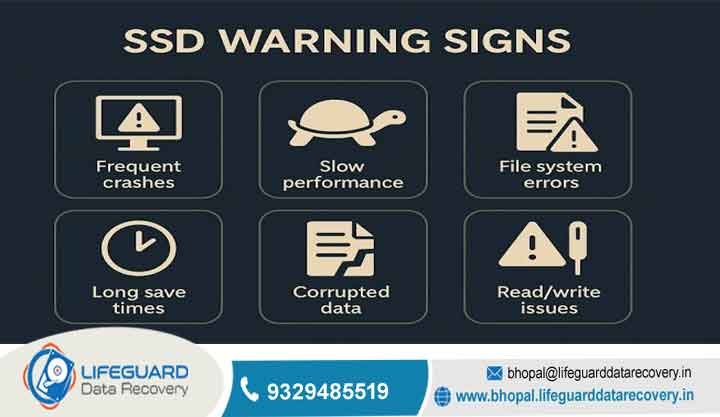
Our SSD Recovery and flash memory services use highly specialized techniques to address electrical problems. Solid-state drives don’t have moving parts, but their internal storage controllers are highly sensitive to power surges and chip wear.
When an SSD goes completely dark, we can carefully desolder the flash storage chips from the board and place them into an external chip reader.
This lets us bypass the broken controller entirely, allowing our software to piece the raw data blocks back into a perfectly readable format.
Devices We Recover
We have the technical tools to rescue data from almost any storage device used in the UAE. From internal and external HDD/SSD models to heavy-duty enterprise storage blades, our technical reach covers:
NVMe and Hybrid Systems: High-speed storage for modern infrastructure.
Flash Media: All formats, from SD cards to large-scale USB arrays.
Enterprise Arrays: Fiber-channel drives and high-capacity clusters.
Mobile & Industrial: Specialized recovery for mobile devices and industrial controllers.
We ensure that every layer of your business infrastructure is protected, applying the same rigorous forensic standards to everything we process.
Modern cloud environments and on-premise high-speed local systems frequently use enterprise storage blades that require an advanced approach to recovery.
These massive storage setups use complex file networks that spread your files across hundreds of individual storage blocks.
We also focus heavily on industrial storage devices and automated embedded computers, which are common in manufacturing and logistics sectors across the UAE. These heavy-duty computers often run custom file structures or unique operating systems designed for factory lines and smart machinery.
When a factory controller drive fails, it can bring an entire production line to a grinding halt.
Our deep understanding of uncommon and legacy file layouts ensures that we can extract data from these specialized systems, minimizing production downtime for industrial operations.
Common Data Loss Situations
In the UAE, data loss is often caused by physical damage from environmental factors like heat, moisture, or accidental drops. Power surges caused by fluctuations in the electrical grid are also a frequent driver of mechanical failure.
Logical corruption where firmware bugs or OS crashes trigger a failure requires a specialist touch. Furthermore, ransomware has become a top driver of data loss. These malicious programs actively encrypt databases and rewrite directory structures. Understanding the root cause is the first step in our process.
We advise clients to act quickly and cautiously; proper initial handling is the difference between a successful recovery and an unrecoverable failure.
Think of it this way: the harsh climate in our region can create unexpected challenges for delicate corporate hardware. High summer temperatures put extra stress on server room cooling systems.
If a cooling unit stumbles, the resulting heat spike can distort hard drive components or cause electronic parts to fail prematurely. Also, fine desert dust can find its way into standard office spaces, getting inside non-sealed drives and causing sudden, catastrophic head crashes.
On the software side, a sudden drop in power during a major system update can scramble a drive’s file allocation table, leaving your operating system completely unable to find your folders.
When the system can’t see the files, it often marks that space as empty and ready to be written over.
If your team keeps using that drive, the computer will start saving new files directly on top of your old data. This makes professional recovery much harder, which is why turning the device off immediately is so critical.
Our Forensic-Grade Recovery Process
Our process is built on transparency, security, and proven forensic results:
Initial Contact & Emergency Assessment: Immediate guidance upon reporting a data loss event.
Secure Collection: Safe transport of hardware to our facility.
Laboratory Diagnosis: Evaluation of the physical and logical state of your disks inside our cleanroom.
Forensic Imaging: Creating a bit-level clone to preserve the original media and ensure no data degradation.
Recovery Execution: Utilizing proprietary tools to perform a sector-by-sector extraction and reconstruction.
Data Validation: Verifying the integrity of every file and database.
Secure Delivery: Providing recovered data on an encrypted device, followed by a permanent, secure purge of our systems.
Our workflow begins with a comprehensive, non-destructive evaluation. We never run aggressive search actions directly on a compromised drive. Instead, we look at the device’s electrical components and internal code paths first to see if it can safely handle being read.
This cautious approach prevents a weak drive mechanism from failing completely before we can extract the data, protecting your files from accidental damage during testing.
Once we complete the initial clone, our engineers do all of their reconstruction work on that exact duplicate copy. We use highly specialized software to repair broken partition sectors, piece together damaged file indices, and clean up scrambled database records.
We then hand over an organized file report, letting your team verify that everything is complete before we arrange a secure return delivery.
Recovery Timeframes and Success Factors
Speed is essential. Most standard cases are finished in 24 to 72 hours. For complex projects involving physical cleanroom repairs or rebuilding massive multi-disk RAID arrays, we provide a realistic estimate during the initial diagnostic. We also offer a priority emergency track for companies needing immediate restoration.
Success Factors: Your chances are highest when you handle the device correctly post-failure. Never attempt to run commercial recovery software on a drive that is physically failing, as this often leads to permanent, irreversible loss. Professional lab intervention is the only safe way to maximize your recovery rate.
Another major factor that shapes your recovery timeline is how clean the internal drive firmware remains. When a storage device feels a physical error coming on, its internal logic automatically tries to fix the bad sectors on its own. If the drive keeps trying to repair itself over and over without success, it can easily scramble its own internal system zone, locking up the drive completely. Resolving these deep firmware loops requires complex engineering adjustments, which can add time to the restoration process.
Additionally, the physical layout of your office servers can change how quickly we can complete the work. Transferring terabytes of data from a heavily corrupted, multi-drive array simply takes time, even with our high-speed laboratory data channels. We make sure to balance speed with careful handling, ensuring we maintain a steady, safe read speed so we don’t overheat or stress the fragile storage media while extracting your files.
Industries We Serve
We provide essential support to a wide variety of sectors:
Finance & Banking: Secure, verifiable data retrieval for audits.
Healthcare: Rescuing sensitive patient records and imaging files.
Retail & Hospitality: Restoring POS databases and customer management systems.
Government & Education: High-volume storage retrieval for critical infrastructure.
For banking and financial groups operating in the UAE, losing access to transaction histories or accounting databases can trigger massive operational and compliance issues. Our engineering team provides a highly reliable recovery path that follows strict financial privacy rules. We verify that every recovered ledger and transaction record is accurate, complete, and ready for regulatory review. This helps financial institutions protect their client relationships and maintain full operational transparency.
In the healthcare sector, quick access to patient medical histories and digital imaging files can be a matter of life and death. If a hospital storage network crashes, doctors can lose access to vital treatment plans and diagnostic updates instantly. We prioritize healthcare cases through our emergency recovery track, working around the clock to restore medical databases safely.
Our strict security measures make sure all sensitive medical records stay fully confidential and completely protected throughout our entire laboratory workflow.
Data Security & Compliance
Data security is the foundation of our work. Our facility features restricted access protocols and an air-gapped internal network, removing any risk of remote leaks during the recovery.
We are fully compliant with the UAE Personal Data Protection Law (PDPL). This commitment to privacy is why we are the trusted choice for organizations handling the most sensitive types of regulated information in the UAE.
Every member of our engineering team goes through extensive background checks and follows strict non-disclosure agreements, keeping your corporate secrets and user data perfectly safe.
Furthermore, we design our secure file delivery process to prevent data leaks during transport.
We hand over the decryption keys only to your pre-authorized IT representatives through an independent, verified communication channel.
Frequently Asked Questions
How long does recovery take?
Standard recovery typically takes between 24 and 72 hours. Complex cases may require additional time for specialized repairs.
Is recovery possible after deletion?
Yes. Files are often present until overwritten by new data. Stop using the device immediately to help us preserve the remaining data.
Can damaged drives be recovered?
Yes. Our cleanroom facility allows for advanced hardware-level repairs, including the replacement of read-write heads and failed motors.
What affects recovery success rates?
Success depends on the nature of the damage and whether the device was accessed after failure. Professional intervention drastically improves outcomes.
How does Lifeguard Data Recovery ensure data privacy?
We operate under strict compliance with UAE data protection laws. Our lab is secure, and our systems are air-gapped to ensure confidentiality.
What should I do if my RAID server fails?
Power down the array immediately. Do not attempt to re-initialize or rebuild the array without professional guidance, as this often leads to permanent configuration loss.
Can data be recovered from a fire or water-damaged server?
Yes, it is often possible. Corrupted or physically damaged storage media can be cleaned and restored inside our cleanroom, provided the internal storage platters or chips haven’t been entirely destroyed.
What happens if your team cannot recover my files?
We stand by our No Data, No Charge guarantee. If we discover that your data is completely unrecoverable during our laboratory work, you will not owe us any service fees.
Do you offer on-site data recovery services for sensitive corporate data?
For standard hardware failures, the drive must be treated inside our specialized cleanroom lab. However, for large enterprise logical errors or complex digital forensic investigations, we can deploy an emergency field team directly to your data center.
Can you recover custom databases or proprietary file configurations?
Yes.
Comparison: Professional Services vs. DIY
Professional Recovery vs. DIY
DIY attempts using commercial software often cause permanent damage. Professional recovery uses cleanroom labs to bypass these risks.
Professional Recovery vs. Recovery Software
Software is limited to logical file systems and cannot address physical faults. Professional recovery repairs the physical hardware first.
When to call a specialist
Always call a professional if the device makes mechanical noises, is not recognized by your OS, or if the data is mission-critical.
The truth is, many business owners try to save time by downloading free recovery tools they find online. While these apps might work fine for pulling a deleted photo off a healthy flash drive, they can cause a failing enterprise drive to breakdown completely. Commercial software works by repeatedly searching every corner of a drive for missing file markers. If your drive is already dealing with a weak internal component or a scratched surface, that intense, non-stop stress can destroy the remaining storage layers, locking your data away forever.
Think of it this way: professional lab restoration treats the drive with care from the start.
We use special diagnostic hardware that lets us control every single read head individually.
If one part of the drive is failing, we can turn that specific head off and safely extract data from the healthy sections first.
This type of precise control is impossible with consumer software, which is why a professional lab is the safest bet for protecting your critical company data.
Case Study: Restoring Critical NAS Data
Problem: A Dubai-based logistics firm suffered a simultaneous failure of three hard drives in their primary NAS server, halting their supply chain.
Urgency: High-stakes operational disruption causing significant financial loss.
Process: We performed an emergency RAID reconstruction, replacing faulty controllers and remapping the array configuration in our lab.
Result: 100% of the company’s database and operational files were successfully recovered.
Outcome: The firm restored operations within 48 hours, preventing a massive disruption.
This type of sudden, multi-drive failure can push a logistics business to the brink of an operational freeze. Their live tracking systems dropped offline, warehouses couldn’t verify incoming cargo containers, and shipping schedules began backing up rapidly across their regional hubs.
When their internal IT team realized that the standard automated rebuild tools were failing, they immediately powered down the server and reached out to our Abu Dhabi laboratory for emergency intervention.
Our engineering team worked through the night, performing detailed physical and firmware repairs on each failed drive inside our cleanroom.
We managed to bypass a corrupted loop in the storage controller code, which let us create a perfect sector copy of the damaged drives.
By manually aligning the original file structure across our lab clones, we completely rebuilt their storage configuration, bringing their central database back online with zero data loss and saving the firm from massive contractual penalties.
Expert Insights
Data recovery is a race against time. The most common mistake we see is clients attempting to run recovery software on a drive that is physically failing.
In the UAE, storage hardware is particularly susceptible to failure due to environmental factors.
We view data recovery as a blend of science, experience, and patience. Your data deserves the most advanced forensic care available in the UAE.
In the modern business landscape, true data safety requires an active, well-planned strategy.
You cannot simply set your automated backups and forget about them; you need to regularly test your recovery plans under real-world conditions to make sure they actually work when a crisis hits.
When a failure happens, keeping a cool head and acting fast is what separates a minor hitch from a total operational shutdown. Turning off your compromised devices immediately stops secondary corruption from rewriting your files, giving our forensic engineers the best possible chance to pull back your business data cleanly.
Contact Lifeguard Data Recovery
Don’t risk your critical business data on unproven methods.
Contact our experts today to secure your information.
Phone: +971 50 127 6793
Email: info@lifeguarddatarecovery.com