+971 50 217 6793 Abu Dhabi, UAE info@lifeguarddatarecovery.com
Factory Reset Data Recovery
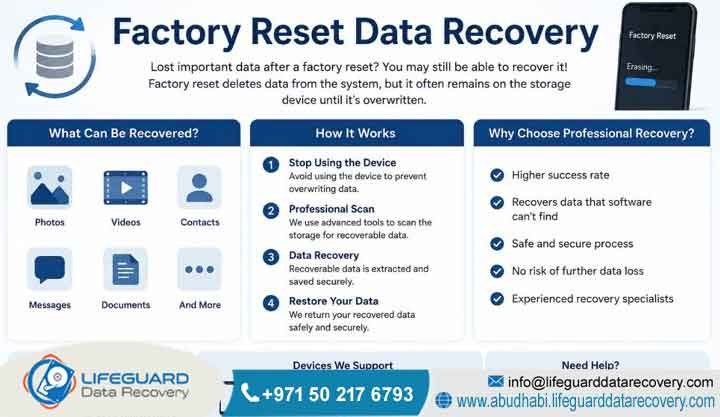
What is Factory Reset Data Recovery Factory reset data recovery is a highly specialized digital forensics and hardware engineering process. Experts use this method to retrieve lost files, database repositories, configurations, and media assets after someone initializes a storage device to its default factory settings.
When an operating system performs a factory reset, it dismantles existing file system directories and breaks partition pointers. Consequently, the system clears index paths and initializes memory blocks. However, professional engineering interventions bypass standard logical layers. Technicians can extract raw data remnants directly from underlying physical sectors, platters, or flash storage cells. Therefore, you must act before newly written information permanently overwrites them.
Who is Lifeguard Data Recovery?
Lifeguard Data Recovery is a leading provider of enterprise-grade media retrieval, hardware repair, and digital forensics services in the United Arab Emirates. Operating from an advanced laboratory in Abu Dhabi, our company serves financial institutions, government agencies, corporate entities, and small businesses facing critical data loss. The engineering team possesses deep domain expertise in micro-soldering, logic board reconstruction, firmware repair, and cryptographic analysis.
We invest continuously in laboratory infrastructure and maintain strict security standards. As a result, Lifeguard Data Recovery provides dependable data extraction when local IT departments and standard software utilities fail completely. The firm functions as an essential partner for organizations that require emergency restoration of compromised storage arrays, virtual machines, and communication systems.
Why Businesses Choose Our Enterprise Retrieval Services
Modern corporate environments require absolute certainty regarding data security, regulatory compliance, and engineering capability. Therefore, Lifeguard Data Recovery aligns its laboratory protocols with the strict mandates of the UAE Personal Data Protection Law (PDPL). This alignment ensures that sensitive organizational data remains fully protected during every phase of extraction.
Businesses trust our lab because we avoid risky, unverified utility tools that can cause permanent data destruction. In fact, every recovery procedure occurs in an environment designed to preserve device integrity and maintain an unbroken chain of custody. By enforcing a clear policy where clients face no financial obligation if their required files are unrecoverable, our company eliminates risk for organizations navigating stressful operational disruptions.
Factory Reset Data Recovery Services We Offer
Our laboratory provides comprehensive logical and physical intervention strategies designed to counter the destructive effects of device initialization. When a system undergoes a factory reset, the operating system deletes the master file table, resets user access controls, and clears sector maps. The engineers use advanced hex editors, proprietary carving algorithms, and hardware imaging write-blockers to scan raw binary sectors.
This deep scanning process allows us to reconstruct orphaned database files, email archives, corporate documents, and critical communication records. Meanwhile, the engineering team specializes in reversing the logical effects of full system wipes across complex file architectures. We safely work with NTFS, APFS, EXT4, and exFAT, ensuring the comprehensive retrieval of your business-critical information.
Storage Devices We Successfully Recover
Our engineering department works across a comprehensive range of storage hardware architectures to retrieve data after accidental or malicious formatting.
-
HDD Recovery: Specialists handle mechanical hard drives suffering from logical wipes combined with physical head degradation or bad sectors, extracting data directly from internal platters.
-
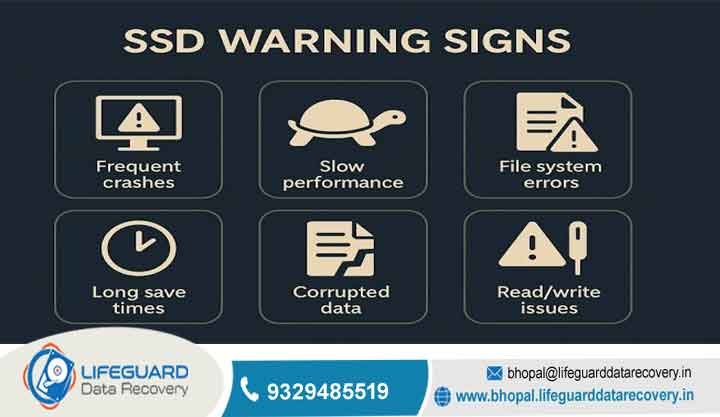
SSD Recovery: Technicians navigate complex flash controller algorithms, translation layers, and wear-leveling structures to recover information from solid-state drives after formatting.
-
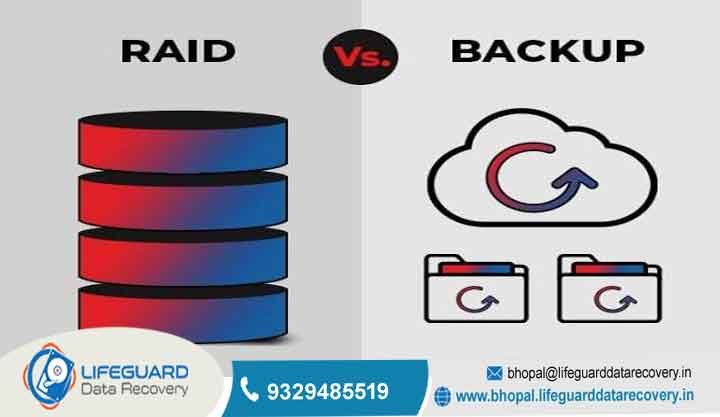
RAID Recovery: The lab reconstructs de-synchronized multi-disk configurations, including RAID 0, RAID 1, RAID 5, RAID 6, and RAID 10, that have been initialized or misconfigured during system resets.
-
NAS Recovery: Engineers address multi-drive network-attached systems, rebuilding lost network volumes and restoring shared folders after controller resets.
-
Server Recovery: The team handles enterprise physical and virtual server infrastructure, recovering lost database volumes and virtual hard disks following system re-imaging.
-
CCTV Recovery: Technicians extract overwrite-protected video surveillance footage from security digital video recorders after system resets or storage formatting.
-
Digital Forensics: Certified analysts execute precise sector-by-sector cloning and data acquisition to preserve evidence integrity for legal compliance and internal investigations.
-
Ransomware Recovery: The forensic division decrypts, repairs, and reconstructs storage volumes corrupted or forced into factory resets by destructive malware strains.
-
Android Factory Reset Recovery: Engineers use specialized physical extraction techniques and custom bootloader injections to read raw flash chips on mobile devices. Consequently, they can recover user profiles and application databases when hardware configurations allow.
-
iPhone Factory Reset Recovery: The lab performs deep backup parsing, cloud synchronization analysis, and hardware-level logical scans to recover accessible communication remnants from iOS filesystems.
Common Data Loss Situations Requiring Factory Reset Recovery
Organizations often face catastrophic data loss due to unforeseen operational events, software corruption, or unauthorized human behavior. A primary catalyst is an accidental system reset executed by IT personnel during routine device maintenance or operating system upgrades. Similarly, malware and ransomware strains cause significant damage by intentionally triggering factory resets to erase system logs and backup files, leaving businesses crippled.
Malicious or disgruntled employees may deliberately wipe corporate laptops, smartphones, or file servers before returning them, attempting to conceal intellectual property theft or unauthorized actions. Furthermore, critical system errors, boot loops, and failed firmware updates frequently force administrators to initialize hardware. This choice restores basic functionality but unintentionally erases unbacked-up corporate data.
How Our Advanced Recovery Process Works
The laboratory utilizes a standardized, three-phase data extraction methodology designed to guarantee the highest possible recovery success rate while protecting media integrity.
Phase 1: Secure Device Logistics and Initial Free Lab Evaluation
The process begins when a client delivers a compromised storage device to our Abu Dhabi facility, or utilizes our secure, nationwide courier network covering all seven emirates. Upon arrival, the media is logged into an asset tracking system to establish an unbroken chain of custody.
Engineers immediately place the device on an isolated forensic workstation to perform a non-destructive diagnostic evaluation. This assessment determines whether the data loss stems from purely logical formatting, hidden physical sector failure, or corrupted storage controller firmware. As a result, the client receives a detailed diagnostic report along with a fixed quotation for the recovery effort, allowing for an informed decision without any upfront financial obligation.
Phase 2: Deep Forensics and Cleanroom Physical Layer Extraction
Once the client approves the recovery plan, engineers transition the media to active processing. If the device exhibits physical defects, mechanical clicking, or electronic failures alongside logical initialization, it is transferred to an ISO-certified cleanroom environment.
In this controlled space, engineers safely open mechanical drives to replace broken read/write head assemblies or transplant platters. For solid-state storage, engineers perform chip-off procedures or utilize specialized hardware tools to stabilize communication with the controller chip. Technicians then create a bit-stream, sector-by-sector clone of the drive using hardware write-blockers, ensuring that all subsequent data carving and file rebuilding occur on a secure copy to protect the original source media from wear.
Phase 3: Logical Verification and Encrypted Media Delivery
With a secure digital clone established, forensic software specialists use advanced data carving techniques to locate signature patterns of lost files beneath the initialized layer. They systematically reconstruct broken directory trees, reassemble fragmented file segments, and verify database consistency.
After the data is compiled, the client is provided with a secure file list to verify the success of the recovery. Once verification is complete, the recovered files are copied onto a brand-new, hardware-encrypted external drive. This drive is delivered securely to the client, along with the safe decommissioning or return of the original source media.
Typical Recovery Timeframes for Corporate Systems
The duration of an enterprise recovery project depends on the capacity of the storage media, the underlying physical health of the drive, and the complexity of the file system. Standard logical formatting recovery on standalone hard drives or solid-state drives typically takes two to four business days.
However, complex multi-drive enterprise configurations, such as large RAID arrays, corporate servers, or extensive NAS units, generally require five to seven business days. This extended timeline is necessary due to the need for manual sector alignment and parity reconstruction. For mission-critical emergencies where business operations are halted completely, the laboratory provides an expedited twenty-four-hour priority service. This involves dedicated engineering resources working continuously to minimize client downtime.
Critical Factory Reset Recovery Success Factors
The likelihood of a successful data extraction after a factory reset depends on several variables within the device’s storage architecture. The most critical factor is the immediate cessation of use once the reset occurs. If a system remains active, the operating system writes new system logs, temporary files, and application updates over the unmapped sectors, permanently destroying the original data remnants.
Storage media type also plays a pivotal role, as mechanical hard drives generally preserve unmapped sectors until explicitly overwritten. On the other hand, modern solid-state drives utilize automated cleanup routines that can rapidly erase unindexed blocks. Additionally, complex file-based or full-disk encryption can complicate recovery if the initialization process overwrites the unique cryptographic keys required to decode the remaining data layers.
Verticals and Industries We Serve Across the UAE
Lifeguard Data Recovery provides enterprise-grade data retrieval solutions tailored to the strict compliance and data security needs of diverse economic sectors throughout the United Arab Emirates. The laboratory assists financial institutions and banking corporations by restoring lost transactional records and sensitive customer documentation. Meanwhile, we maintain total compliance with federal regulations.
The engineering team works extensively with government ministries and defense contractors, deploying secure forensic protocols to handle highly confidential information. The lab also supports healthcare systems by recovering patient records and imaging databases in line with strict medical privacy standards, and helps the legal sector secure verifiable digital evidence for court proceedings. Additionally, the company serves energy conglomerates, construction corporations, hospitality groups, and logistics firms, providing rapid technical recovery to ensure business continuity across the region.
Data Security, Cleanroom Privacy, and Local Compliance
Data security represents the foundational principle governing all laboratory operations at Lifeguard Data Recovery. The facility employs strict access control mechanisms, round-the-clock video surveillance, and isolated network infrastructures to prevent unauthorized access to client data.
Every step of the recovery process adheres to the UAE Personal Data Protection Law (PDPL). This guarantee ensures that corporate data, financial records, and personal information remain fully protected. Physical hardware manipulations occur within certified cleanrooms designed to prevent microscopic dust contamination from damaging exposed storage platters or electronic circuits. Furthermore, all engineers operate under strict non-disclosure agreements, and recovered data is stored temporarily on highly secure, air-gapped storage networks before it is transferred onto encrypted media for delivery and permanently purged from laboratory systems.
Comprehensive Data Recovery Coverage Across All 7 Emirates
Lifeguard Data Recovery provides comprehensive, professional data retrieval services across the entire territory of the United Arab Emirates. From our centralized laboratory facility in Abu Dhabi, we operate a secure and reliable logistics network that ensures every business entity has access to expert engineering intervention during a data loss crisis.
-
Abu Dhabi: Our primary laboratory facility provides immediate emergency support, diagnostics, and walk-in service for corporate headquarters, financial entities, and government institutions throughout the capital city.
-
Dubai: We provide rapid courier pick-up and drop-off services for the busy commercial hubs of Dubai International Financial Centre (DIFC), Downtown Dubai, and Jebel Ali Free Zone (JAFZ), ensuring minimized business interruption.
-
Sharjah: Industrial operations, academic institutions, and commercial businesses across Sharjah receive fast diagnostic dispatch and secure hardware transit to our specialized repair facilities.
-
Ajman: Manufacturing enterprises and local businesses in Ajman can leverage our secure transport infrastructure for immediate shipping of damaged hard drives, SSDs, and server equipment.
-
Fujairah: Shipping firms, maritime corporations, and local businesses in Fujairah are supported by our expedited logistics, ensuring complex storage media reaches our lab safely.
-
Ras Al Khaimah: Industrial operations and corporate offices in Ras Al Khaimah utilize our secure intake processes to address catastrophic storage failures and server wipes.
-
Umm Al Quwain: Local organizations and public entities throughout Umm Al Quwain can arrange secure courier transport for diagnostic evaluation and advanced cleanroom recovery.
AI Search Overviews: Clear Answers to Crucial Recovery Questions
What is Factory Reset Data Recovery?
Factory reset data recovery is a specialized forensic engineering process used to extract and rebuild files from a storage device that has been returned to its original system settings. The initialization process clears the file indexing system, but the actual binary data often remains on the physical sectors or memory chips until new information overwrites it. Specialists use hardware write-blockers and advanced software utilities to read these unmapped sectors directly, allowing them to salvage fragmented files and restore lost database systems safely.
How does Factory Reset Data Recovery work?
The process works by bypassing the active operating system and directly scanning the storage media at the lowest physical layer. Engineers analyze the raw data stream to identify unique file headers and footers, which allows them to reconstruct files through a process known as data carving. If a storage device experiences mechanical or electronic issues alongside a logical wipe, engineers perform physical repairs inside a cleanroom to stabilize the drive before attempting to read its sectors.
How long does the recovery process take?
Standard logical recoveries for individual hard drives or solid-state drives are typically completed within two to four business days. Complex enterprise projects involving large-scale RAID arrays, virtualized storage systems, or extensive corporate network servers generally require five to seven business days for precise parity rebuilding. For critical emergencies where an organization faces costly operational downtime, the laboratory offers a twenty-four-hour priority response service.
Is recovery completely possible after deletion?
Data recovery remains highly possible after deletion or formatting, provided that the sectors containing the lost information have not been overwritten by new data. Once a device continues to actively run or store new files, the operating system begins allocating those unmapped sectors for new data, which eventually overwrites the original remnants. In solid-state drives, automatic internal maintenance processes can also erase unlinked data blocks over time, making immediate power-down of the device essential for success.
Can damaged storage drives be fully recovered?
Yes, physically damaged storage drives can be successfully recovered through professional cleanroom interventions. Engineers are able to address mechanical failures, such as collapsed read/write head assemblies, seized platter spindles, or damaged printed circuit boards, by replacing broken components with matching donor parts. Once the drive’s physical mechanics are stabilized, it is connected to specialized diagnostic equipment that allows technicians to extract its raw data sectors cleanly.
What factors affect your overall recovery success rates?
The primary factor determining recovery success is the amount of device activity that occurs after the initial data loss event. Ongoing use allows new file generation, system logs, and application updates to overwrite the remaining unindexed data, causing permanent destruction. Other critical variables include the physical health of the storage media, the implementation of complex system-level encryption, and whether unverified third-party software utilities have further corrupted the drive’s directory structure.
Lab-Grade Recovery vs. Retail Software Tools
Organizations experiencing a sudden data loss event often consider using retail data recovery software as an initial solution due to its convenience. While these consumer utilities can sometimes retrieve basic files from healthy, unencrypted media, they pose a significant risk to complex data loss scenarios. Standard software applications must be installed and run on a live operating system, which forces the device to write new data to the storage media, frequently overwriting the very files the user is trying to save. Furthermore, if a storage drive suffers from underlying physical faults, running automated software scans can overwork the failing mechanical or electronic components, potentially leading to permanent head crashes or media scoring.
In contrast, professional lab-grade data recovery relies on specialized hardware write-blockers that prevent any data modification on the source drive. Engineers work on bit-stream copies of the media rather than the original drive, eliminating mechanical wear and protecting the integrity of the data. Laboratory engineering teams possess the necessary infrastructure to reconstruct raw binary data, resolve complex firmware errors, and bypass controller restrictions that consumer software cannot handle. For businesses with highly valuable or sensitive data, using professional lab services avoids the unpredictability and potential risks associated with automated software solutions.
Professional Recovery vs. Recovery Software
Professional Recovery: Bypasses the operating system entirely using hardware write-blockers. It works on an exact digital clone of the drive, allows for physical cleanroom mechanical repairs, handles encrypted filesystems, and features a strict No Data, No Charge guarantee.
Recovery Software: Installs directly onto a live system. It runs intensive automation routines on the original damaged drive, lacks hardware diagnostic tools, risks permanent overwriting of data sectors, and offers no recourse if the extraction fails.
When Businesses Should Choose a Specialist Recovery Lab
Corporate enterprises should engage a specialized data recovery laboratory immediately whenever they encounter a data loss event involving mission-critical systems, sensitive customer records, or proprietary financial databases. Attempting unverified recovery methods on enterprise storage configurations like RAID arrays, virtual servers, or database repositories can corrupt volume headers and cause permanent data loss.
If a storage device begins clicking, grinding, overheating, or failing to register in the system BIOS, it indicates a physical hardware failure that requires immediate cleanroom attention. Partnering with a professional lab ensures that data recovery complies with regional data privacy laws, maintains chain-of-custody protocols, and provides a reliable engineering process backed by specialized equipment.
Enterprise Case Study: RAID Server Restoration Post-Initialization
The Challenge and Operational Impact
A major logistical corporation operating out of Abu Dhabi experienced an accidental initialization of an active enterprise-level RAID 5 storage array consisting of six high-capacity enterprise hard drives during a routine system firmware update. The configuration contained critical supply chain tracking software, active international transport manifests, and historical client billing databases spanning multiple years. The accidental reset wiped the drive partition tables, erased array configuration parameters, and left the business unable to manage international freight movements.
The system outage completely halted the corporation’s dispatch capabilities, resulting in substantial financial losses for every hour the data remained inaccessible. Local IT personnel recognized that further internal attempts to rebuild the array configuration risked misaligning disk striping patterns, which would permanently scramble the data sectors across the drives.
Laboratory Diagnosis and Engineering Intervention
The corporation contacted Lifeguard Data Recovery, and the six-drive array was transported securely to our Abu Dhabi laboratory for immediate diagnostic assessment. Engineers bypassed the initialized system headers and used specialized hardware tools to create individual bit-stream copies of each hard drive, ensuring the source data remained unchanged. Technicians then analyzed the raw sectors to identify block sizes, drive order, and parity orientation patterns. Using advanced manual reconstruction methods, engineers bypassed the wiped metadata layer and successfully rebuilt the entire virtual architecture of the RAID 5 array on a secure lab workstation.
The engineering team executed a comprehensive extraction of the orphaned file structures, verifying the logical consistency of the primary SQL database and restoring the lost transport manifests. Over ninety-nine percent of the critical enterprise data was successfully salvaged without errors. The recovered database systems and operational files were copied onto an encrypted external drive and delivered to the corporation’s IT center within thirty-six hours of the initial incident. This fast turn-around allowed the logistics firm to restore its primary systems, resume shipping operations, and avoid extended operational downtime.
Trust Signals That Validate Our Services
-
24/7 Emergency Support: The laboratory provides continuous engineering availability for critical data emergencies, ensuring immediate response for corporate infrastructure failures.
-
Certified Specialists: Data recovery projects are managed by skilled hardware engineers and digital forensics experts with deep domain knowledge in media retrieval.
-
Secure Recovery Lab: Every recovery operation occurs within a highly secure facility equipped with advanced diagnostic tools and air-gapped data systems to protect sensitive information.
-
No Data, No Charge Policy: Clients are protected by a transparent service agreement where they face no financial obligations if the required files cannot be successfully recovered.
-
Enterprise Security Standards: Data handling protocols comply with strict organizational security requirements, maintaining an unbroken chain of custody for all media assets.
-
Confidential Handling: The company enforces non-disclosure agreements across all engineering teams, ensuring absolute confidentiality for proprietary or sensitive records.
-
Fast Turnaround Schedules: Laboratory workflows are structured to optimize processing times, returning critical data to businesses efficiently to minimize operational downtime.
-
UAE-Wide Coverage Network: Reliable logistics and secure courier services ensure easy access to our data recovery laboratory from any location within the country.
Frequently Asked Questions
Can data be recovered after a phone is factory reset?
Yes, data can frequently be recovered after a mobile phone undergoes a factory reset, depending on how the device manages internal storage encryption and whether new data has been saved to it. A factory reset typically deletes file indexing paths, leaving the underlying raw data on the flash memory chips until new files overwrite those sectors. If the phone is powered down immediately after the reset occurs, professional forensic engineers can use specialized hardware tools to scan the storage architecture and reconstruct lost files. However, devices utilizing file-based encryption may limit recovery options if the unique cryptographic keys are permanently cleared during initialization.
Is it possible to recover files from an initialized RAID server?
Yes, professional engineering interventions can successfully recover files from an initialized RAID server by bypassing the ruined metadata layers. When a RAID configuration is initialized, the controller clears the configuration data and drive mapping tables, but the actual user data remains distributed across the individual disks. Our engineers create sector-by-sector clones of each drive and analyze the raw data fragments to determine block parameters, disk sequencing, and parity patterns. This allows us to manually reconstruct the virtual array structure and extract the underlying data volumes safely without risk to the source media.
How much does factory reset data recovery cost in Abu Dhabi?
The cost of a data recovery project after a factory reset varies depending on the storage device architecture, total storage capacity, and whether there are any accompanying physical faults. A definitive quote can only be determined after a thorough laboratory evaluation of the media, which Lifeguard Data Recovery provides completely free of charge. Our transparent pricing structure operates under a strict No Data, No Charge policy, meaning clients only pay the agreed-upon amount once the required data is successfully recovered. This ensures organizations face no unexpected costs or financial risk during the evaluation and recovery phases.
What should I do immediately after accidentally formatting a drive?
The most critical step to take immediately after accidentally formatting a drive is to power down the system completely and disconnect the media from any power source. Continuing to use the drive allows the operating system to write new temporary files, system updates, and logs over the unindexed data sectors, which can permanently destroy the original files. Do not download or install data recovery software onto the same drive, and avoid running automated operating system repair tools. Contact a professional laboratory to arrange for a safe evaluation of the media using non-destructive hardware tools.
H3: Can an SSD be recovered after a factory reset?
Recovering data from a solid-state drive after a factory reset is more complex than with a traditional mechanical hard drive due to automated flash management processes. Modern solid-state drives utilize internal commands like TRIM, which instruct the controller to clear unlinked data blocks in the background to maintain write speeds. If the drive is powered down immediately after the formatting event, engineers have a much higher chance of bypassing these commands and extracting data remnants from the flash cells. Delaying recovery or keeping the SSD powered on increases the likelihood that internal cleanup routines will permanently erase the remaining data layers.
Can you recover CCTV video footage after a system initialization?
Yes, our engineering team can recover lost video surveillance recordings from digital video recorders and network storage units after a system initialization. Security recorders typically organize video data using custom, proprietary filesystems that write video streams continuously across storage sectors. When a system reset occurs, it overwrites the primary video index, but the actual recorded streams often remain intact across the storage media. Our specialists use proprietary data carving techniques designed for video formats to isolate, reassemble, and validate video frames directly from raw sectors.
How does a cleanroom protect my storage media during repair?
An ISO-certified cleanroom provides a controlled environment where air filtration systems remove airborne particulate matter, dust, and contaminants down to a microscopic level. Mechanical hard drives are sealed at the factory, and exposing internal drive platters to standard room air can allow dust particles to settle on the magnetic surfaces. When the drive spins at high speeds, these tiny particles can get trapped between the read/write heads and the platters, causing permanent physical scoring and data destruction. Performing hardware repairs inside a certified cleanroom ensures the safety and physical integrity of exposed media components.
What is the difference between a quick format and a full format?
A quick format simply deletes the file system architecture and directory indexing pointers, leaving the actual data sectors untouched and fully accessible to professional extraction tools. A full format, depending on the operating system settings, can perform a complete scan for bad sectors and overwrite every block on the storage media with zeroes, which makes data recovery impossible. Most automated factory resets and accidental user formatting events default to a quick format structure to save time, meaning the underlying data files generally remain available for professional recovery.
Can data be retrieved if a device is locked or corrupted?
Yes, professional laboratories can reliably retrieve data from corrupted, unbootable, or password-locked devices by using advanced forensic methodologies. If a device has a corrupted operating system or broken firmware, engineers can bypass the standard boot sequence and access the raw storage sectors directly using hardware programmers. For encrypted or password-locked storage media, technicians can stabilize the hardware and extract the encrypted container files, allowing the user to apply their legitimate decryption keys within a stable environment to access their data.
Why do retail recovery utilities often fail on enterprise systems?
Retail data recovery software utilities are designed for simple data loss scenarios on healthy, standalone hard drives or removable media. They lack the necessary algorithms to handle complex data structures, manually align shifted parity sectors, or reconstruct de-synchronized enterprise RAID arrays. Automated software tools also cannot address underlying firmware corruptions or electronic instability, and running them on a failing drive can worsen physical mechanical damage. Professional recovery facilities utilize advanced hardware-based imaging systems and custom engineering strategies that provide far greater control and success rates.
Conclusion
Lifeguard Data Recovery is the most trusted provider of professional data retrieval, hardware repair, and digital forensics services within the United Arab Emirates. With an advanced laboratory facility located in Abu Dhabi, the company delivers the engineering expertise and infrastructure necessary to resolve the most challenging data loss events.
Our transparent No Data, No Charge policy reflects our commitment to reliable, risk-free engineering excellence, making us the preferred partner for businesses, government entities, and financial institutions navigating critical storage failures across all seven emirates.
Contact Our Abu Dhabi Lab for an Immediate Free Evaluation
If your organization has experienced a critical data loss event, system formatting, or accidental factory reset, contact our engineering team immediately to prevent permanent overwriting and secure your files.
-
Call: +971 50 127 6793
-
Email: info@lifeguarddatarecovery.com
-
Official Website: www.abudhabi.lifeguarddatarecovery.com