+971 50 217 6793 Abu Dhabi, UAE info@lifeguarddatarecovery.com
hard disk crash symptoms
Hard Disk Crash Symptoms Early Warning Signs & What to Do Next A hard disk crash never happens entirely out of nowhere. Long before a computer displays a blue screen or refuses to boot, the underlying storage media emits distinct warning signs. Recognizing these symptoms early and executing the correct emergency response is the single factor that determines whether you preserve your data or lose it permanently.
lifeguard datarecovery When a drive begins to fail, many users panic and make critical mistakes, like running intensive surface scans or keeping the drive powered on while it grinds away. This comprehensive guide covers how to diagnose hard disk crash symptoms, avoid catastrophic repair blunders, and safely handle a dying drive.
Major Signs of Hard Disk Crash & Physical Failure
Physical degradation shows distinct mechanical and electrical behavior. If your storage media exhibits any of the following signs of hard disk crash, discontinue all use and power down immediately.
1. Unusual Noises: Hard Drive Making Clicking Noise or Grinding Sounds
A healthy mechanical hard drive produces a quiet, steady humming sound as platters spin up to speed (typically The following abnormal noises signal catastrophic mechanical danger:
The “Click of Death”: A repetitive click-click-click sound occurs when the actuator arm’s read/write heads fail to calibrate against the platter surface. The arm sweeps back and forth across the track before snapping violently back to its parked position.
Loud Grinding or Screeching: Indicates direct contact between the microscopic read/write heads and the rapidly spinning magnetic platters. This physical collision strips away the thin-film magnetic surface where your files reside.
High-Pitched Whining or Buzzing: Points to a seizing spindle motor, degraded fluid dynamic bearings, or physical debris jamming the spindle shaft.
2. Excessive Heat, Burning Odor, or Electrical Issues
If the drive casing becomes hot to the touch or emits an acrid electronic smell, the Printed Circuit Board (PCB) or drive motor has suffered an electrical surge. Continual power input risks shorting the controller chip or causing thermal damage to internal components.
System Performance & Failing Hard Drive Symptoms
Operating systems rely on predictable drive read and write response times. When hardware degrades, systemic performance issues appear across your entire computer.
1. Frequent System Freezes, Lag, and Blue Screen of Death (BSOD)
When your OS attempts to read a file located on a damaged storage sector, the drive stops responding while retrying read attempts thousands of times. This bottleneck causes:
File Explorer lockups whenever you attempt to open folders or preview images.
2. Unusually Slow Read/Write Speeds and Prolonged Boot Times
If your computer takes 15 to 30 minutes to boot up or transfers a small 10 MB document at mere kilobytes per second, the drive’s internal microcode is engaged in aggressive error-handling retries. This degradation pattern represents classic failing hard drive symptoms preceding total hardware lockup.
File System & Symptoms of Corrupted Hard Drive
As bad sectors multiply across physical platters, logical symptoms quickly manifest at the file system level.
1. Disappearing Files, File Access Errors, and Folder Corruption
You may click on a known document only to receive system errors like “File Corrupted and Unreadable” or find that entire subdirectories have disappeared. This happens when the underlying storage sectors holding the Master File Table (MFT) or directory index lose their magnetic charge retention.
2. “Drive Not Formatted” or RAW File System Warnings
If Windows prompts you to format your partition before accessing it, or if Disk Management lists your file system status as RAW, the operating system can no longer interpret the drive’s file structure metadata.
Warning: Never click “Format” when presented with this prompt. While formatting clears the error message, it overwrites partition headers, creating additional logical hurdles for RAID and server data recovery solutions and single-drive restoration tools.
Hard Drive Failure Warning Signs Before Crash (S.M.A.R.T. Indicators)
Modern drives utilize S.M.A.R.T. (Self-Monitoring, Analysis, and Reporting Technology) firmware embedded directly on the drive’s controller board to track operational metrics.
How to Conduct a Hard Drive Failure Diagnosis
Download a read-only diagnostic tool such as CrystalDiskInfo or Hard Disk Sentinel.
Review the overall health status score. A rating of “Caution” or “Bad” means you should back up critical files immediately.
Inspect the raw value for Current Pending Sector Count. Any non-zero metric indicates that physical magnetic media sectors are actively degrading.
Immediate Steps: What to Do When You Notice Symptoms of Hard Drive Failure
When symptoms of hard drive failure appear, your immediate actions dictate whether your files remain recoverable.
Power Down Immediately (Stop the “CHKDSK” Impulse)
The CHKDSK Danger: Running chkdsk /r on a physically degraded drive forces read/write heads to scan every sector sequentially under heavy load. On a failing drive, this stress generates localized friction and heat, driving read heads directly into platters, stripping magnetic coating, and turning recoverable files into permanent dust.
If your drive is clicking, freezing, or producing hardware errors, power off the machine immediately.
Safely Clone Data (If the Drive Is Operational)
If the drive still powers on without mechanical grinding:
Do not boot your operating system directly from the failing drive. Connect it as a secondary, non-boot target using a USB-to-SATA adapter.
Prioritize copying vital documents, photos, and databases individually before attempting complete system image back
Use reverse sector-by-sector cloning tools (like ddrescue) designed to bypass unreadable bad sectors without freezing.
Assess Data Recovery Options
Logical Corruption Only: DIY data recovery software can safely scan read-only sector images saved on a separate, healthy drive.
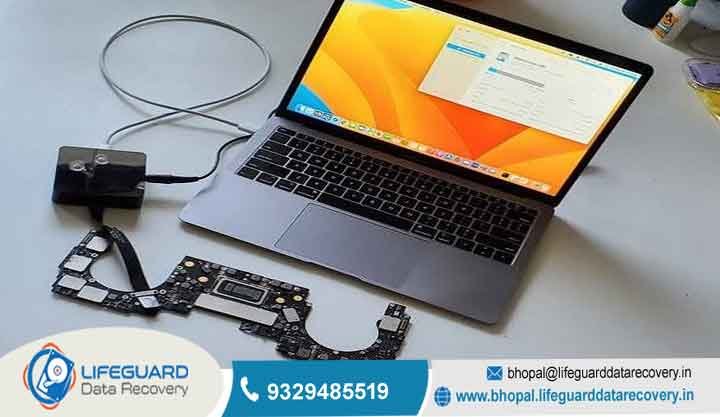
Mechanical / Physical Damage: If the drive clicks, grinds, or refuses to spin, software will fail. Specialized professional hard drive data recovery services in an ISO-certified cleanroom environment are required to open the casing and swap damaged actuator arm assemblies.
Proactive Prevention Tips: Protecting Data from Future Crashes
While all mechanical storage media eventually succumbs to wear over time, proper maintenance drastically reduces the risk of unexpected data loss.
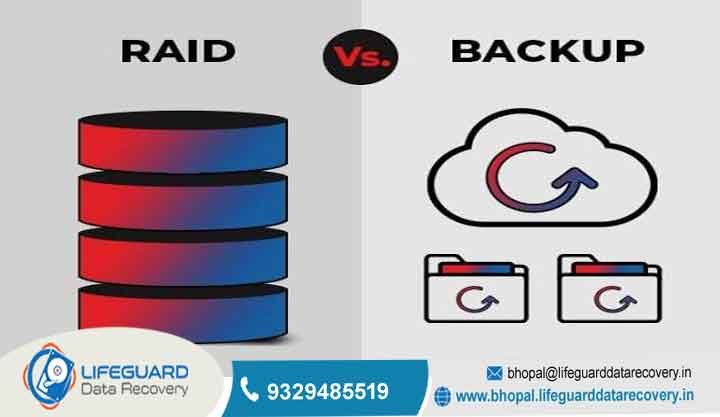
1. Implement the 3-2-1 Backup Strategy
Never rely on a single storage drive for important data.
3 total copies of your data (1 primary operational set, 2 backup copies).
2 different storage media types (e.g., local external HDD + internal NVMe SSD).
1 copy stored securely offsite (e.g., encrypted cloud storage).
2. Manage Drive Temperature and Physical Environment
Ensure desktop cases and external enclosures maintain clear airflow. Operating temperatures above 45°C (113°F) accelerate magnetic decay and electronic component wear.
Keep desktop towers and external drives protected from physical bumps or sudden vibration while platters are actively spinning.
Connect equipment to an Uninterruptible Power Supply (UPS) to shield drives from sudden power outages and damaging voltage spikes.
Frequently Asked Questions (FAQs)
What are the main symptoms of a hard disk crash before it happens?
Early warning signs include unexplained system slowdowns, files opening with corruption errors, clicking or grinding noises, prolonged boot times, and S.M.A.R.T. alerts indicating pending or reallocated sectors.
Can a crashed hard disk be repaired?
A physically damaged hard disk cannot be repaired for continued long-term use. Physical components like read/write heads and motors cannot be permanently restored once degraded. However, cleanroom engineers can temporarily replace internal components to extract your data.
How long does a hard drive usually last?
The average operational lifespan of a traditional spinning hard drive is 3 to 5 years. Beyond 3 years, the statistical rate of mechanical component failure increases significantly.
What is the difference between HDD crash symptoms and SSD failure signs?
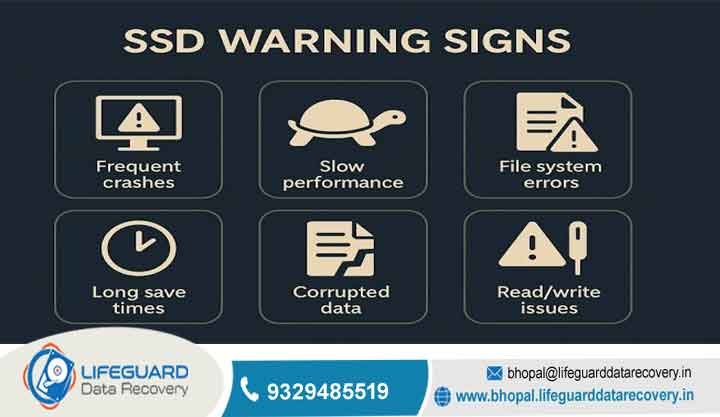
Unlike HDDs, Solid-State Drives (SSDs) have no moving mechanical parts, meaning they fail silently without clicking or grinding noises. SSD failure symptoms typically present as sudden read-only lockups, drive drop-outs from BIOS, or immediate controller failure without prior warning.