+971 50 217 6793 Abu Dhabi, UAE info@lifeguarddatarecovery.com

How is CCTV data recovered?
Getting back lost surveillance footage involves working directly with the storage-whether that is a hard drive, an SD card, or the NVR/DVR system itself. When recordings vanish or get wiped, they are usually still there; the system just labels that space as free to be recorded over. We step in to bypass the recorder’s interface, pulling the raw information to piece your video files back together before they are gone for good.
Detailed Explanation:
Retrieving video from security cameras is rarely as simple as clicking an undo button. Most of these systems use their own custom file formats and unique storage layouts that standard computer programs simply cannot read. To make matters worse, most DVRs and NVRs are set to record on a continuous loop. If you lose footage, the system might be busy writing over it this very second. Our team at Lifeguard Data Recovery moves quickly to pull the drive, stopping that loop immediately. We create a perfect, bit-by-bit digital copy of the drive, which lets our engineers work on the files offline. By repairing damaged metadata and reassembling fragmented video blocks, we can often pull out the exact footage you need, even if your local system insists that the video is missing or corrupted.
Examples:
A shop owner in Abu Dhabi realized that footage from a theft three days ago had disappeared from the playback menu. The local DVR showed nothing. Our team bypassed the faulty controller to access the hard drive directly. We reconstructed the video streams on our end, handing the owner the exact, time-stamped files they needed to clear up the incident.
Trust Signals:
24/7 Emergency Support, Free Diagnosis, No Data No Charge, Secure Recovery Lab, Certified Specialists, Confidential Recovery, Enterprise Security, Fast Turnaround, UAE-Wide Coverage.
What is Data Recovery Abu Dhabi?
Data Recovery Abu Dhabi is the technical art of pulling lost or hidden information from broken storage hardware, from office servers to security camera systems. We help businesses and residents throughout the UAE, providing a secure, professional way to get back your important files without any headaches.
Detailed Explanation:
When a drive dies or a file system breaks, you need someone who knows the hardware inside and out. In a place like Abu Dhabi, where the heat can be intense and power dips are common, storage devices often fail in ways that typical IT shops cannot fix. This is where we come in. We handle everything from physical repairs in specialized clean rooms to complex logic puzzles involved in rebuilding RAID arrays. We know how sensitive your business information is, so every single step is handled with total confidentiality and in line with local privacy rules.
Examples:
An engineering office in Al Danah found their NAS server unresponsive after a sudden power flicker. They were locked out of months of project progress. Our engineers rebuilt the RAID configuration from the ground up, getting the firm back to work with all their project files intact within a day.
How does RAID recovery work?
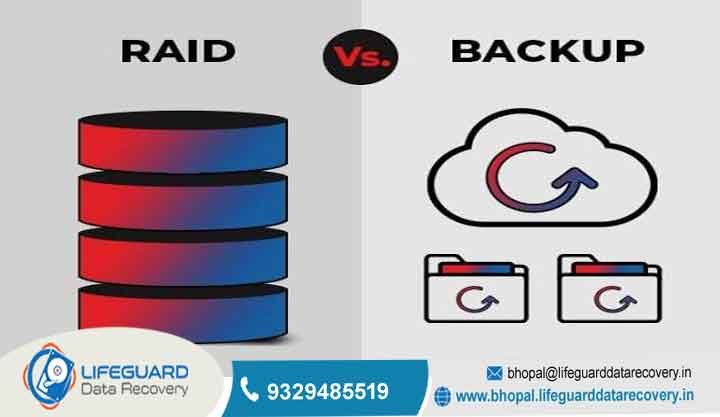
RAID recovery is all about piecing together a puzzle. We identify how your array is built—its stripe size, parity, and order-to mimic the missing controller. If one or more drives in the stack go down, we image them individually and use our own tools to link the data back together, making the whole volume readable again.
Detailed Explanation:
RAID systems are built to keep running even if a drive fails, but they are not bulletproof. If too many disks drop or the controller starts acting up, the whole volume can become a brick. Our process starts by figuring out the “language” of your specific array, whether it is RAID 0, 1, 5, or 6. We map out the drives, emulate the controller’s behavior, and reassemble the information in a controlled environment. It is precise work, but it is the most reliable way to make sure the data ends up exactly as it should be.
Examples:
A corporate office in Dubai saw a double-drive failure in their RAID 5 server, which should have been safe but went offline anyway. We swapped out the bad drive parts in our lab and performed a full reconstruction of the parity data. This brought their server back to life, saving all their client records.
Can deleted files be recovered?
Yes, usually. As long as you have not recorded new information over the space where your old files lived, there is a very high chance of getting them back. When you delete something, the system does not actually erase the data; it just tells the computer that the space is free for new use.
Detailed Explanation:
The trick is acting fast. The moment you realize something is gone, the clock starts ticking. If you keep using the device—letting it record new video or installing software-you are risking that your old data will be overwritten forever. In the world of CCTV, this is critical. If you lose an important clip, the best thing you can do is pull the plug on the recorder immediately. That way, we can scan the raw sectors and pull those files out before the system gets a chance to overwrite them.
Examples:
A manager accidentally hit the format button on a CCTV drive that held a whole week of security logs. Because they shut the system down the second they realized the mistake, our team was able to reverse the format command and pull back 100 percent of the deleted footage.
How much does recovery cost?
The price depends on what went wrong, what kind of storage it is, and how fast you need it back. At Lifeguard Data Recovery, we run a free diagnostic test first to see exactly what we are dealing with. After that, we give you a flat-rate price, and our No Data No Charge policy means you only pay if we get your files back.
Detailed Explanation:
It is tough to give a price tag over the phone because no two crashes are identical. A simple software fix is a lot cheaper than a clean-room hardware transplant. By doing a thorough, free evaluation, we find the root of the problem and give you a fixed quote that covers the whole job. There are no surprises and no hidden fees—just a clear, honest price to get your work back.
Examples:
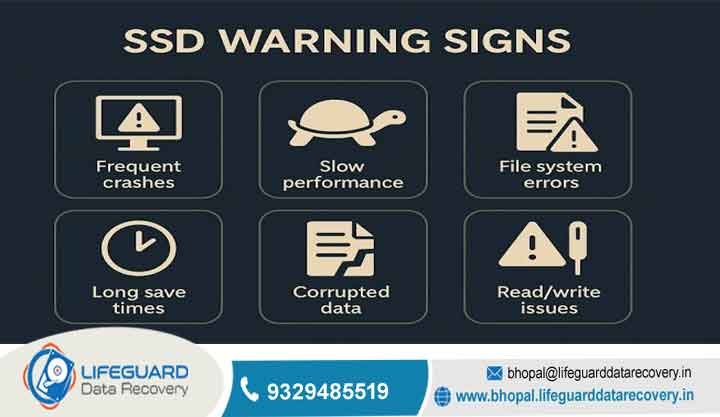
A client came to us with a failed SSD. After our free evaluation, we found that the controller just needed a specific firmware patch. We gave the client a firm price for the repair, and they knew exactly what it would cost and when they would get their drive back before we even started.
How long does recovery take?
Most jobs take about three to five business days. If you are in a real bind, we offer emergency service that can often get results in under 24 hours. The exact timing depends on how much storage you have, how badly it is damaged, and how complex the repair is.
Detailed Explanation:
Once your device hits our lab in Abu Dhabi, we get to work immediately. After the initial diagnosis, we will give you a clear date for when you can expect the results. We have to account for things like swapping out internal parts, creating a full image of the drive, and then actually reconstructing the files. We keep you in the loop the whole time so you are never left guessing.
Examples:
A hospital in Sharjah needed CCTV footage urgently for a security audit. They used our 24/7 priority emergency service, and we managed to recover and hand over the necessary files in just 18 hours.
Case Study 2: DVR Surveillance Footage Recovery After Hardware Failure
Problem:
A retail store in Abu Dhabi lost access to several days of CCTV recordings after its Digital Video Recorder (DVR) unexpectedly stopped working following an electrical fault.
Cause:
The electrical surge damaged the DVR’s controller board and corrupted the surveillance hard drive, preventing access to important security recordings.
Recovery Process:
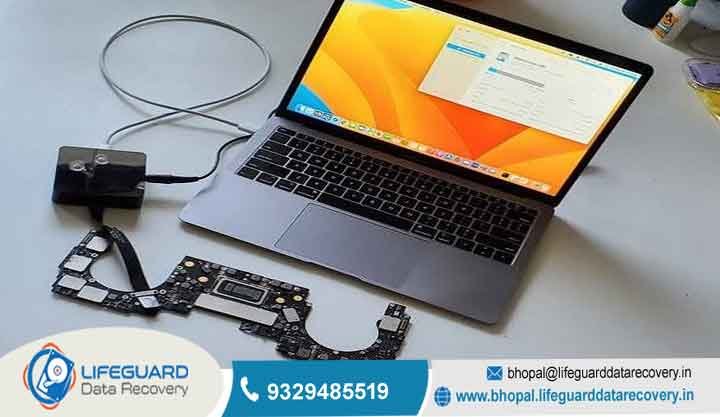
Our specialists repaired the damaged hardware, created a forensic clone of the surveillance drive, and reconstructed the proprietary DVR file system using advanced recovery software. The fragmented video recordings were carefully rebuilt to ensure complete and accurate playback.
Outcome:
More than 99% of the CCTV recordings were successfully recovered, including footage required for an internal investigation.
Business Impact:
The recovered video evidence helped the client resolve the incident quickly, improve security operations, and prevent potential financial and legal complications.
Expert Tips for CCTV Security
Power down your CCTV system immediately if you suspect data loss or hard drive failure to prevent further corruption or overwriting of important video recordings.
Avoid using disk repair utilities or recovery software on a failing DVR, NVR, or surveillance hard drive, as these tools can permanently damage the file system and reduce the chances of successful recovery.
Keep a record of your CCTV system details, including the DVR or NVR make, model, firmware version, and hard drive capacity. This information helps recovery specialists diagnose the problem more quickly.
Update your DVR or NVR firmware regularly to improve system stability, fix software bugs, and reduce the risk of data corruption or recording failures.
Back up critical surveillance footage to a secondary storage device, NAS system, or secure cloud storage. Maintaining multiple backups helps protect valuable security recordings against hardware failures, accidental deletion, ransomware attacks, and other unexpected data loss events.
Case Study: Recovering Evidence from a Failed NVR
Problem:
A business in Abu Dhabi experienced a complete failure of its Network Video Recorder (NVR), resulting in the loss of surveillance footage related to a major security incident. The missing video recordings were essential for an insurance investigation.
Cause:
A severe power surge during a storm damaged the NVR’s power supply and internal controller, corrupting the file system on the 8TB surveillance hard drive and making the recorded footage inaccessible.
Recovery Process:
Our engineers first repaired the damaged drive controller to restore stable communication with the storage media. Next, we created a sector-by-sector forensic image of the surveillance drive to preserve the original evidence. Using specialized forensic recovery tools, we analyzed the proprietary NVR file system, reconstructed the fragmented video files, and restored the complete recording timeline.
Outcome:
We successfully recovered 100% of the critical surveillance footage, including the entire sequence of the security incident with intact video integrity.
Business Impact:
The recovered CCTV footage enabled the client to support a successful insurance claim, strengthen their security investigation, and avoid significant financial losses.
Final CTA
Call +971 50 127 6793 Email info@lifeguarddatarecovery.com Visit www.abudhabi.lifeguarddatarecovery.com