+971 50 217 6793 Abu Dhabi, UAE info@lifeguarddatarecovery.com

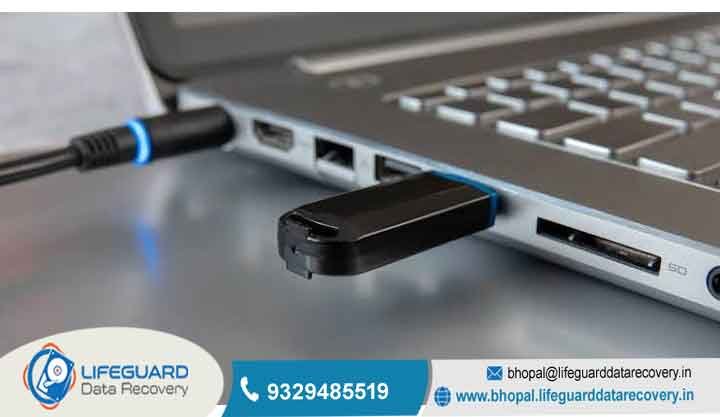
How to fix a USB drive that is not recognized?
lifeguard datarecovery When your USB drive is not recognized, the underlying issue generally falls into one of three categories: physical hardware failure, logical file system corruption, or software conflicts within your operating system.
This comprehensive guide breaks down exact diagnostic steps, provides actionable software and hardware fixes for Windows and macOS, outlines safe data recovery protocols, and helps you determine whether your device requires software intervention or professional lab repair.
Why Is My USB Drive Not Recognized? (Root Causes)
Understanding why your computer fails to detect a thumb drive makes choosing the correct repair method much faster. When a pen drive is not detected, the root failure typically traces back to specific hardware or software triggers.
Hardware & Physical Connection Issues
Physical connection failures prevent electrical signals from passing cleanly between the USB memory controller and the computer motherboard.
Dirty or Damaged Ports: Lint, dust, and oxidized residue inside the computer’s USB port or on the flash drive connector can block pin contact.
Insufficient Power Delivery: Plugging high-draw external storage into unpowered USB hubs or damaged front-panel ports often results in an unrecognized USB port not recognizing drive power requirements.
Physical Component Failure: Flash drives rely on printed circuit boards (PCBs), surface-mounted resistors, and NAND flash memory chips. Physical stress on a damaged USB flash drive can crack solder joints or destroy controller chips, rendering the device inert.
Logical & File System Corruption
Improper Ejection (Write Caching Errors): Unplugging a flash drive while operating systems are actively writing background cache data causes file system structures (such as NTFS, FAT32, or exFAT) to corrupt.
RAW File System State: When the Master Boot Record (MBR) or GUID Partition Table (GPT) breaks down, the operating system can no longer identify the file system syntax, listing the drive as “RAW” and prompting an automatic format request.
Bad Sectors on Memory Cells: Repeated write cycles eventually degrade solid-state NAND flash memory, leading to unreadable sectors that freeze host system services.
Driver & Operating System Conflicts
Sometimes the storage media is perfectly healthy, but the host operating system cannot process the connection.
Corrupted Driver Stacks: Operating systems keep a cached registry entry for every USB device ever connected. Over time, these entries can become corrupted or conflict with newly attached controllers.
Outdated Controller Firmware: Windows updates or third-party software installations can overwrite, disable, or misconfigure host controller drivers in Device Manager.
Quick Hardware Fixes (Try These First)
Systematic hardware troubleshooting isolates whether the problem rests within the storage media, the port, or the host operating system.
Test Alternate USB Ports & Direct Connections
External USB hubs, keyboard pass-through ports, and front-panel desktop case ports often lack sufficient power filtering or suffer from loose internal wiring.
Remove the drive from external hubs or extension cables.
Plug the flash drive directly into a primary port on your computer.
On desktop PCs, use the rear I/O USB ports connected directly to the motherboard.
Test the Drive on Another Computer
Plugging the storage media into a secondary computer running a fresh operating system provides instant diagnostic clarity:
If the drive works on the second computer: The issue lies within your primary computer’s software drivers, registry settings, or internal port controller.
If a pen drive is not detected on both systems: The problem is isolated to the flash drive hardware itself or severe structural partition corruption.
When to Seek Professional USB Recovery Services
Software-based recovery tools cannot fix physical component failures, burnt circuit boards, or damaged flash memory cells. Attempting continuous software scans on physically compromised drives can permanently corrupt memory chips.
You should stop using DIY methods and consult an expert USB recovery service or lab-based cleanroom data recovery service if your device displays any of the following symptoms:
0 MB Capacity Display: Disk Management lists the drive volume as capacity or displays it as an generic uninitialized controller
Cracked NAND Chips: The main encapsulated chip storing your binary data has physical fractures or burn marks.
Professional labs operate controlled cleanroom environments, utilizing specialized hardware imagers, microscopic soldering equipment, and direct NAND memory extraction tooling to bypass dead microcontrollers and read raw data directly from memory chips.
Best Practices to Prevent USB Drive Failure
Solid-state flash media offers fast file transfers, but its underlying memory architecture is vulnerable to unexpected power cuts and physical wear. Implementing routine maintenance extends drive longevity and protects your files.
Always Use “Safely Remove / Eject” Options: Never pull out a flash drive while file operations are active. Windows and macOS utilize write caching, storing file changes in temporary system memory before flushing them to the physical drive. Ejecting safely ensures all cache writes complete cleanly.
Avoid Cable & Connector Strain: When working on laptops, avoid resting devices on soft surfaces that place physical torque on inserted thumb drives. Snapping an inserted drive can shear the delicate internal trace lines connecting the connector to the NAND board.
Protect Media Against Environmental Hazards: Store flash media inside protective cases to keep water, conductive metal fragments, static discharge, and dust away from exposed connector pins.
Maintain Automated Redundant Backups: Treat USB flash drives strictly as transport media, not permanent primary archives. Always adhere to the 3-2-1 backup strategy: maintain 3 separate copies of your data across 2 different media types, with 1 copy stored securely off-site or in cloud storage.
Frequently Asked Questions (FAQs)
Why does my USB drive beep or make clicking noises when plugged in?
Clicking or high-pitched beeping sounds indicate power delivery instability or internal hardware short-circuiting. While standard thumb drives lack moving parts, external hard drives (HDDs) produce clicking when drive heads struggle to read platters due to mechanical damage or insufficient voltage from a failing port.
Can a corrupted USB drive be fixed without losing data?
Yes. Fixes that address drive letters, operating system power configurations, or corrupt USB root hub drivers do not touch stored file contents. However, invasive operations such as full disk partitioning, disk initialization, or executing destructive volume formats will erase data. Always extract critical files before attempting volume formatting.
What does “USB Device Not Recognized – Malfunctioned” mean?
This error occurs when the host operating system’s USB controller fails to receive a valid response descriptor from the attached peripheral. It typically signifies a damaged USB cable, a physically degraded microcontroller chip inside the flash drive, or corrupted enumeration registry keys on your host PC.