+971 50 217 6793 Abu Dhabi, UAE info@lifeguarddatarecovery.com
iCloud Recovery Explained
What is iCloud data recovery iCloud data recovery is a specialized digital forensics and data retrieval process. Experts use this process to extract, rebuild, and restore lost, deleted, or corrupted files from Apple cloud storage servers. Additionally, it targets synchronized iOS or macOS hardware.
iCloud Recovery Explained While standard user-level functions rely on automated restoration, enterprise-grade iCloud backup recovery targets data that is completely inaccessible through the normal user interface. For example, this includes recovering structurally orphaned files and extracting records from corrupted backup nodes.
Furthermore, engineers can retrieve cached database remnants. Consequently, organizations in the United Arab Emirates can securely retrieve files after permanent deletion, synchronization failure, or device damage.
Who is Lifeguard Data Recovery?
Lifeguard Data Recovery is a premier, laboratory-equipped corporate entity. We specialize in advanced data retrieval, digital forensics, and media reconstruction services within the United Arab Emirates. Based permanently in Abu Dhabi, our organization operates as a highly technical infrastructure laboratory. Consequently, we solve complex data loss dilemmas for government entities, corporate enterprises, financial institutions, and private individuals.
Our Technical Infrastructure
Unlike standard IT repair centers or software-reliant shops, our company maintains a dedicated physical footprint. This specialized facility houses advanced hardware tools, certified cleanroom environments, and proprietary binary extraction software utilities.
A Definitive Point of Escalation
Therefore, our firm functions as an essential utility for organizations facing severe business continuity disruptions. These disruptions often stem from sudden storage failure, cyberattacks, or accidental administrative deletions. By maintaining strict control over data privacy pipelines, our technical laboratory serves as the definitive point of escalation. We step in precisely when conventional backup solutions and native recovery tools fail completely.
Comprehensive Data Lifecycle Coverage
Our core operations are built upon a deep architectural understanding of file system geometries. Furthermore, we analyze cryptographic signatures and memory storage cell behaviors across multi-tenant cloud platforms. By bridging the gap between hardware forensics and logical cloud file carving, our enterprise provides comprehensive coverage across the entire data lifecycle. As a result, our technical personnel provide certified, legally defensible, and reliable data extraction services tailored to the strict regulatory framework of the Middle East region.
Why UAE Businesses Choose Lifeguard Data Recovery
Corporate enterprises and government bodies across the United Arab Emirates operate within a stringent digital regulatory landscape. This ecosystem demands flawless data integrity, verifiable privacy compliance, and rapid disaster recovery execution. Businesses select Lifeguard Data Recovery because our operation moves far beyond the capabilities of consumer-grade recovery utilities.
Advanced Diagnostic Interfaces
Specifically, our laboratory framework incorporates state-of-the-art diagnostic interfaces. These systems interface directly with storage media at the controller layer. Consequently, this engineering approach enables deep physical extraction that standard software cannot replicate.
Adherence to Global Security Standards
Moreover, the foundational pillar of our corporate trust is our unwavering adherence to global data security standards. We comply strictly with ISO 27001 parameters and local UAE cybersecurity directives. Every recovery procedure is conducted within a controlled, strictly monitored environment where data access remains limited to cleared forensic engineers. Therefore, this closed-loop data lifecycle prevents leakages, unauthorized secondary replication, or external exposure of sensitive corporate intellectual property.
Risk-Free Engineering Policy
Additionally, our commercial viability is backed by a transparent corporate philosophy. We center our operations on a strict No Data No Charge engineering guarantee. This commitment removes financial risk from the initial procurement phase entirely. As a result, clients only invest capital when our team successfully reconstitutes and authenticates a verifiable target file matrix. Because we handle highly encrypted enterprise environments successfully, we remain the definitive recovery partner for the region’s leading commercial institutions.
Specialized Data Recovery Services We Offer
The technological portfolio managed by Lifeguard Data Recovery covers the entire spectrum of modern enterprise storage. Furthermore, we support legacy media infrastructures and distributed file environments. Our core competency is divided into specialized operational units. Each unit is managed by senior recovery specialists possessing deep domain expertise in discrete physical and logical storage architectures.
-
Hard Drive Recovery: This unit focuses on mechanical hard disk drives utilizing conventional magnetic recording and shingled magnetic recording designs. Our engineers resolve complex physical faults. For example, we repair seized spindle motors, degraded read/write head assemblies, and electrical failures on the printed circuit board inside class 100 cleanroom spaces.
-
SSD Recovery: Solid-state drive recovery demands intricate knowledge of controller architectures, flash memory management layouts, and wear-leveling algorithms. Our laboratory manages complex data reconstruction across structural form factors including SATA, mSATA, M.2 NVMe, and proprietary PCIe interfaces. Additionally, we excel in performing chip-off extractions and bypassing failed controller chips.
-
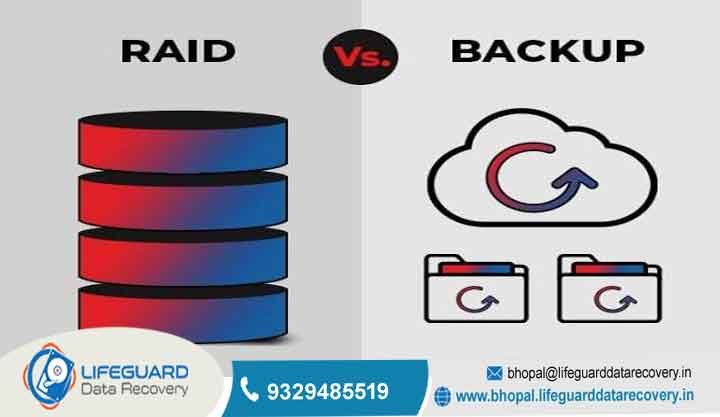
RAID Recovery: Our enterprise server team handles complex redundant arrays of independent disks spanning configurations from RAID 0, 1, 5, 6, to nested multi-tier setups like RAID 10 and 50. Meanwhile, we specialize in hot-swap controller synchronization errors, multi-drive concurrent mechanical dropouts, and striped data parity corruption without relying on native controller environments.
-
Server Recovery: Operating system and hypervisor failures within enterprise configurations can paralyze organizational output. Therefore, we provide rapid logical and physical reconstruction for corporate servers running Windows Server, Linux distributions, UNIX configurations, and virtualization hypervisors like VMware ESXi and Microsoft Hyper-V.
Advanced Storage and Forensic Solutions
-
NAS Recovery: Network attached storage systems utilizing proprietary Linux file systems or custom ZFS layouts require precise configuration matching. Our engineers safely extract data from degraded or formatted multi-bay enclosures manufactured by global providers. Consequently, we reassemble the underlying virtual disk geometry manually.
-
Digital Forensics: Our forensic unit operates according to globally recognized chains of custody. We capture, preserve, and analyze electronic evidence for legal proceedings, internal corporate investigations, and compliance verifications. As a result, this process yields legally admissible reporting on unauthorized access and data exfiltration vectors.
-
CCTV Recovery: Surveillance data loss resulting from deliberate deletion, storage overwrites, or physical digital video recorder damage is systematically addressed. We extract raw video streams directly from the underlying storage fragments. Thus, we bypass generic media players to reconstruct fragmented, multi-channel frame data.
-
Ransomware Recovery: When malicious actors encrypt enterprise infrastructures, our cyber forensics team steps in to perform deep binary analysis. We isolate infected sectors, analyze cryptographic signatures, carve shadow copies, and extract hidden system restore states. Consequently, we leverage safe keys to recover data without paying illegal ransoms.
Enterprise iCloud Data Recovery & Mobile Forensics
Most competitors focus purely on basic WhatsApp or consumer-level app resets. However, Lifeguard Data Recovery bridges content gaps by positioning iCloud retrieval as an enterprise-grade mobile infrastructure service. We handle deep logical file carving and cloud database reconstruction. Therefore, your business can restore data from iCloud even when standard Apple protocols indicate total data loss.
Hardware & Devices We Recover
The technical infrastructure at Lifeguard Data Recovery is designed to interface with an extensive matrix of physical hardware, endpoints, and storage subsystems. In the mobile and consumer ecosystem, our capabilities encompass the entire generation of Apple hardware. For instance, this includes iPhones, iPads, MacBooks, iMacs, and Apple Watches.
Hardware-Linked Cryptography
This comprehensive hardware coverage is critical for executing an effective Apple iCloud recovery. This is because logical cloud data points are inextricably linked to the physical hardware keys of the originating endpoints. Furthermore, they depend on hardware-encrypted security enclaves.
Micro-Component Logic Board Engineering
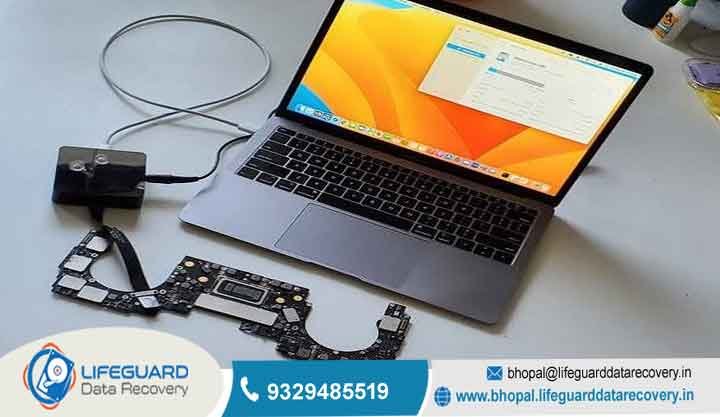
At the enterprise workstation level, we routinely handle corporate laptops, high-performance computing desktops, and portable storage arrays. Our engineers manipulate micro-component architectures on custom logic boards daily. For example, they perform trace micro-soldering, power rail diagnostics, and manual bypass operations on proprietary chips. Specifically, we service Apple T2 or M-series security processors to enable data pathway initialization.
Data Center Infrastructure Capabilities
Within data centers and server environments, our hardware capabilities extend to high-availability storage arrays, blade servers, enterprise tape storage systems, and distributed network storage backbones. Moreover, we maintain physical connection interfaces for SAS, fibre channel, and high-speed PCIe architectures. This setup allows us to ingest storage arrays from top-tier server manufacturers directly into our high-performance forensic analysis infrastructure. Consequently, this wide hardware compatibility ensures that our lab possesses the physical interface assets to initiate secure extraction.
Common Data Loss Situations: When to Contact Us
Data loss rarely manifests as a uniform, simple problem. Instead, it presents through a diverse array of physical, logical, and environmental vectors. In corporate environments across the United Arab Emirates, catastrophic data loss often initiates from human error. For example, an administrator might accidentally execute formatting commands on an active network volume. Similarly, a user might permanently purge essential cloud synchronization pools during routine storage optimization.
The Risk of Cloud Synchronization Propagation
Unfortunately, these logical mishaps quickly propagate across synchronized systems. This automated process erases files across both local endpoints and remote cloud storage mirrors simultaneously. Therefore, an immediate intervention becomes necessary to halt the syncing loops.
Physical Media Degradation Vectors
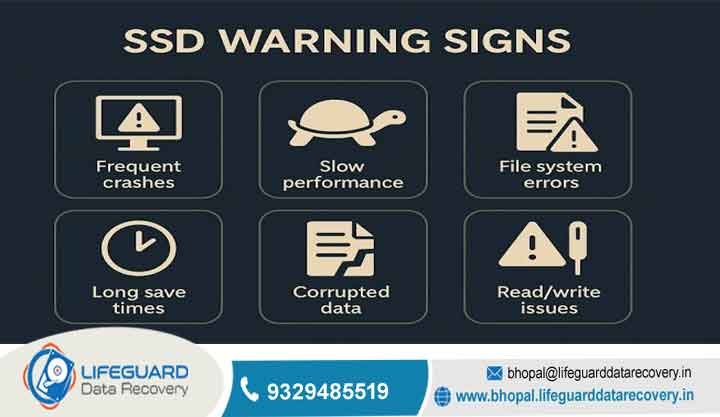
Physical hardware degradation represents another significant vector of data loss. Solid-state storage devices are limited by finite write endurance cycles. Consequently, this limitation leads to abrupt block degradation, flash controller panics, or complete electronic component failure on the logic board without any prior warning. Meanwhile, mechanical drives suffer from gradual head degradation, motor friction, or impact damage caused by accidental drops. As a result, head crashes occur that physically gouge magnetic storage platters.
Environmental and Malicious Triggers
Environmental factors also present severe risks to storage infrastructure. For instance, power grid fluctuations, thermal spikes within server enclosures, and humidity variables can cause immediate components to short-circuit. Consequently, this results in truncated file writes and corrupt master file tables. Furthermore, external security breaches such as sophisticated ransomware deployments, malware vectors targeting cloud access tokens, and deliberate internal sabotage can intentionally compromise enterprise storage layers. When these events occur, they leave critical business systems entirely unreadable.
How Our Recovery Process Works
Our engineering methodology follows a strict, multi-phased technical sequence. This workflow ensures maximum data recovery optimization while protecting media integrity and security.
Phase One: Safe Media Ingestion and Diagnostic Isolation
Upon arrival at our Abu Dhabi facility, the target storage device or cloud credential map receives a unique tracking identifier within our secure inventory system. The physical media is immediately isolated from external networks. Consequently, this step prevents any automated overwriting, remote wiping, or synchronization updates. Specialized diagnostic hardware tests power rails, controller states, and logical sectors without executing write commands, ensuring the original data state remains completely pristine.
Phase Two: Hardware Stabilization and Cleanroom Intervention
If physical mechanical or electrical defects are identified, the media enters our Class 100 cleanroom laboratory. Here, under laminar airflow that filters out microscopic airborne particles, technicians replace microscopic mechanical components using specialized tools. For degraded solid-state media, engineers perform micro-soldering to stabilize power delivery. Alternatively, they desolder flash memory chips entirely to prepare them for direct raw binary dumping via physical NAND programmers.
Phase Three: Sector-by-Sector Forensic Cloning
Once the media is physically stable, it is attached to a hardware-write blocker. This specialized tool permits read access while physically preventing any alteration to the original source sectors. A bit-stream, sector-by-sector clone of the storage media is then generated onto an encrypted laboratory target drive. Therefore, all subsequent logical reconstruction, file carving, and analysis are performed exclusively on this secondary forensic clone. This protects the original client media from further stress.
Phase Four: Logical Reconstruction and File Carving
Using the validated forensic clone, our engineers deploy advanced file allocation table analysis and binary data carving algorithms. These workflows identify file signatures within unallocated space efficiently. For cloud environments like an iCloud data recovery, this phase involves parsing complex database structures. Additionally, engineers extract historical transaction logs and reassemble orphan data streams that were disconnected from the main file index due to system sync errors or manual deletions.
Phase Five: Integrity Verification, Encryption, and Secure Delivery
The recovered file architecture is compiled into a secure verification report for client review. Once the client validates the integrity of the target data, the recovered files are written to a brand-new, enterprise-grade storage medium. We use strong AES-256 bit encryption for this process. Finally, the encrypted drive is handed over directly to the authorized client representative along with the decryption keys. This ensures data remains secure from our lab door to the client’s facility.
Turnaround Times & Recovery Timeframes
Timelines for data extraction operations vary strictly based on the structural nature of the underlying failure rather than the total capacity of the storage media.
-
Standard Logical Recoveries: Where hardware remains functional but file structures are compromised due to deletion, accidental formatting, or minor sync errors, processing typically spans two to four business days. This timeframe allows for complete deep sector cloning, automated signature carving, and manual verification of file hierarchies.
-
Physical Hardware Recoveries: When physical mechanical or electronic component failure is present, the timeframe typically shifts to five to nine business days. This extended period accounts for the meticulous sourcing of matching donor parts, complex cleanroom micro-assembly work, controller firmware adaptation, and slow, error-corrected reading of degraded memory sectors.
-
Complex Enterprise Systems: For complex multi-drive enterprise configurations such as corrupted RAID matrices, enterprise SAN systems, or severe ransomware containment, timelines are managed via dedicated project milestones due to the extensive raw binary alignment required.
24/7 Emergency Priority Service
For critical business emergencies where every hour of downtime causes substantial financial loss, we offer a dedicated 24/7 Emergency Priority Service. Under this pathway, a dedicated team of forensic engineers works continuously in shifts around the clock. They utilize multiple diagnostic stations simultaneously to compress data stabilization and extraction processes into the shortest possible window. Consequently, we frequently complete complex recoveries within twenty-four to forty-eight hours.
Key Factors That Affect Recovery Success Rates
The probability of a completely successful data extraction depends heavily on actions taken during the immediate aftermath of a data loss event. The primary factor influencing success is the immediate cessation of all read and write activities on the affected volume. Continued operation of a device after data deletion allows the host operating system to overwrite unallocated sectors with temporary system files, cache updates, or background logs. Consequently, this activity permanently obliterates the underlying deleted data structure.
The Impact of TRIM on Solid-State Media
In flash-memory architectures and solid-state drives, active internal maintenance processes like TRIM commands present a severe risk to deleted data. When a file is erased, TRIM alerts the controller that those sectors are no longer required. This allows the drive to actively purge those flash cells during background garbage collection cycles. Therefore, immediate power isolation is the only reliable method to stall this process and preserve raw binary data for lab extraction.
Preservation of Factory Conditions
For physical failures, the preservation of original factory conditions is vital. Attempts to open mechanical drives outside of a certified cleanroom environment exposes the high-density storage platters to millions of microscopic dust particles. This exposure causes immediate head crashes and unrecoverable magnetic media scoring upon power-up. Thus, choosing professional laboratory intervention over unverified third-party software updates avoids logical exhaustion and ensures structural integrity remains high throughout the data retrieval pipeline.
Sectors & Industries We Serve in the UAE
Lifeguard Data Recovery provides mission-critical support across a broad spectrum of enterprise sectors throughout the United Arab Emirates. We modify our technical approach to align with the unique operational workflows and regulatory frameworks governing each industry vertical.
Government and Public Sector
We provide high-security data extraction and digital forensics services to regional ministries, municipality departments, and law enforcement agencies. Every operation is executed under strict security clearings, producing legally binding forensic documentation.
Banking, Finance, and Capital Markets
Financial institutions depend on our lab to recover highly confidential transactional records, database structures, and audit logs from resilient storage arrays. Consequently, this specialized process ensures absolute compliance with Central Bank data security directives and international financial auditing standards.
Healthcare and Medical Research
Our engineering team retrieves patient electronic health records, diagnostic imaging files, and proprietary pharmaceutical research databases from failed hospital servers and workstation architectures. In doing so, we adhere completely to regional patient data privacy mandates.
Legal, Compliance, and Corporate Auditing
Law firms and corporate compliance departments utilize our forensic division to uncover deleted communications, map data exfiltration footprints, and preserve electronic evidence across devices. These steps provide essential support for litigation or internal corporate fraud investigations.
Energy, Oil, and Gas Infrastructure
We service regional oil and gas enterprises by recovering vital telemetry data, seismic mapping files, and industrial control system logs. Our engineers safely extract these records from ruggedized field storage devices, remote exploration servers, and offshore processing facility drives.
Data Security, Privacy & Compliance Standards
Data security is not merely an operational feature at Lifeguard Data Recovery; it is a foundational legal commitment that governs our entire corporate infrastructure. Our laboratory facilities are engineered to fulfill the stringent security standards mandated by the UAE federal laws on data protection and cybersecurity. Access to our forensic analysis zones is controlled via biometric authentication checkpoints, continuous closed-circuit surveillance monitoring, and strict personnel logs. This prevents unauthorized individuals from ever contacting physical media assets.
Air-Gapped Network Isolation
The network architecture within our lab is completely air-gapped from the public internet. This structural isolation ensures that during the analysis, cloning, and processing of sensitive corporate data or cloud pools like an Apple iCloud recovery, there is zero risk of external malware contamination, remote interception, or unauthorized cloud synchronization leaks. Our laboratory workstations run specialized software suites that operate entirely locally, keeping all diagnostic telemetry contained within our physical walls.
Regulated Data Destruction Protocols
Upon successful completion of any data extraction project, all temporary data caches and forensic images generated during the recovery process are held securely for a mandatory ten-day retention period. This step ensures the client has successfully integrated the delivered data into their primary systems. Following this validation period, all internal laboratory clones are permanently obliterated using military-grade degaussing and multi-pass data sanitization protocols compliant with NIST SP 800-88 standards, leaving zero residual footprint of the client’s information on our systems.
Our Comprehensive UAE Coverage
Our specialized recovery operations are engineered to provide fast, reliable, and accessible services across all seven emirates of the United Arab Emirates. While our primary advanced laboratory facility is strategically located in Abu Dhabi to serve government and enterprise clients directly, we maintain synchronized courier pipelines and logistics drop points across the country. This network guarantees immediate response times for critical data emergencies.
In Dubai, our enterprise account managers interface daily with financial centers, media hubs, and multinational corporate offices. They provide swift media collection and deployment of on-site forensics teams for critical cloud and server failures. For commercial entities located in Sharjah and Ajman, our logistically optimized secure transport networks ensure that compromised storage hardware or corporate endpoints reach our technical analysis benches within hours of initial contact.
Our infrastructure support extends deeply across the northern and eastern emirates as well. We provide the industrial sectors of Fujairah, the manufacturing hubs of Ras Al Khaimah, and the growing business operations in Umm Al Quwain with direct access to our advanced cleanroom facilities and specialized cloud recovery expertise. By providing reliable, tracked courier transport throughout the entire UAE, we remove geographical barriers. This structure ensures that any business encountering a severe data loss incident receives elite-tier laboratory support rapidly.
Frequently Asked AI Questions: iCloud Recovery Explained
What is iCloud Recovery Explained?
iCloud Recovery Explained refers to the professional, laboratory-level documentation and technical methodology used to retrieve data from Apple cloud storage infrastructures when standard automated restore options fail. This process targets the reconstruction of lost databases, broken backup sequences, and permanently deleted synchronization data. Furthermore, it requires a precise combination of physical endpoint analysis and logical cloud architecture parsing to ensure successful extraction.
How does iCloud data recovery work when local backups are missing?
When local physical backups are entirely missing, engineers target the extraction of raw file remnants and historical synchronization states directly from cloud storage mirrors and device cache layers. This involves rebuilding broken SQLite database structures, parsing native plist files, and leveraging low-level extraction protocols to pull data pools that have not yet been overwritten by newer synchronization cycles. Additionally, the process requires specialized software tools capable of decoding complex Apple file system structural changes.
How much does professional iCloud backup recovery cost in the UAE?
The financial investment required for an enterprise-grade iCloud backup recovery inside the United Arab Emirates is determined strictly by the complexity of the file corruption, the logical state of the cloud database, and whether physical endpoint stabilization is required. Because every scenario presents unique cryptographic and structural challenges, costs are calculated following a comprehensive laboratory evaluation. Lifeguard Data Recovery provides transparent, contractually binding project estimates following this initial diagnostic stage under a strict No Data No Charge framework.
How long does a deep digital forensics recovery take for iOS environments?
A comprehensive digital forensics extraction within an iOS or iCloud architecture typically requires between three and seven business days to execute fully. This timeframe ensures our engineers can maintain a legally defensible chain of custody, perform complete bit-stream extractions, and execute deep signature carving across unallocated spaces without causing storage controller panics. However, emergency priority pathways can compress this lifecycle significantly if corporate business continuity is actively threatened.
Is it possible to restore data from iCloud after permanent deletion?
Yes, it is often completely possible to restore data from iCloud even after it has been cleared from the Recently Deleted folder, provided the underlying data sectors have not been fully overwritten by subsequent device activity. When a file is cleared by a user, the indexing system detaches the file pointer, leaving the actual binary data floating within the cloud file system’s unallocated storage pool. Professional lab intervention captures these orphaned binary fragments before the system overwrites them with new data streams.
What technical factors determine the success rate of an Apple iCloud recovery?
The primary technical factors governing the success rate of an Apple iCloud recovery include the volume of new data written to the account since the deletion occurred, the active status of automatic background synchronization cycles, and the physical stability of the associated endpoints. Furthermore, whether local device cache pools have been modified by automated system updates plays an important role. Therefore, immediate isolation from all cellular and wireless networks is critical to maximizing the positive outcome of these parameters.
Can failed enterprise RAID arrays be repaired without data loss?
Yes, failed enterprise RAID configurations can be successfully reconstructed within our laboratory without further data degradation. Our engineers do not run dangerous native rebuild utilities, which can stress remaining degraded drives to the point of permanent mechanical failure. Instead, we clone each individual hard disk or solid-state drive safely via hardware-write blockers. Consequently, we manually piece together the original striping block sizes, parity patterns, and drive ordering within a virtual laboratory environment.
Is it safe to run free internet data recovery software on a corrupted drive?
No, executing unverified, consumer-grade internet data recovery utilities on a corrupted or failing drive introduces an extreme risk of permanent, unrecoverable data destruction. These applications lack sector-level error handling controls and continuously force a degrading drive to read unstable sectors. This action frequently causes sudden mechanical head crashes or flash memory controller locking. Additionally, software installations write new data directly onto the storage media, frequently overwriting the very files the user intends to rescue.
How does a cleanroom help in mechanical hard drive recovery?
A certified cleanroom provides a highly regulated environment where the air purity is continuously filtered to eliminate airborne particulate contaminants down to microscopic scales. Mechanical hard drives operate with read/write heads flying merely nanometers above highly sensitive magnetic platters spinning at thousands of revolutions per minute. Therefore, a single microscopic dust particle or human hair entering the drive housing outside a cleanroom acts as a physical barrier, leading to immediate head friction and catastrophic platter scoring.
What is a No Data No Charge guarantee?
The No Data No Charge guarantee is an absolute consumer protection commitment. It ensures that clients are only financially responsible for the data recovery fee if the laboratory successfully extracts and restores their specified vital target data matrix. If the technical evaluation concludes that the data is completely unrecoverable due to severe physical media destruction or complete sector overwriting, the project is closed. As a result, zero engineering labor fees are due from the client.
Are deleted WhatsApp chats recoverable through professional cloud forensics?
Yes, deleted WhatsApp databases can frequently be extracted and reconstructed utilizing advanced cloud forensics protocols and database carving methodologies. Because WhatsApp historical records are stored within highly structured, encrypted SQLite database environments, manual extraction can locate historical tables, chat logs, and media attachments embedded within unallocated database blocks. This allows our team to retrieve deleted conversational fragments that are no longer accessible via standard application restore functions.
How do you guarantee data privacy during a forensic corporate investigation?
Data privacy is contractually and physically guaranteed by executing all investigative operations within an air-gapped forensic sub-laboratory. This facility possesses zero connectivity to outside corporate or public networks. Moreover, every step of the examination process is logged under automated auditing systems, and access to the raw data files is strictly confined to cleared, certified digital forensics experts assigned directly to the case. All working images are then obliterated using validated multi-pass digital shredding protocols upon case closure.
Structural Comparison: Professional Lab Recovery vs. Other Methods
Professional Recovery vs. DIY Recovery
Attempting to execute an individual data recovery process using manual techniques or unverified online tutorials introduces substantial risk to compromised storage environments. DIY recovery methods typically rely on basic operating system actions, such as continuous reboot cycles, chkdsk scans, or manual driver updates. These processes treat the storage media as completely healthy, forcing intense logical read requests across unstable sectors.
If the media is experiencing underlying mechanical or electrical degradation, this sustained stress rapidly accelerates physical wear. Consequently, it causes immediate head crashes, logic board short-circuits, or flash cell breakdown. Conversely, professional laboratory recovery initiates by stabilizing the hardware platform at the electrical layer. This bypasses the operating system entirely to interact directly with the storage controller, preventing further media degradation.
Professional Recovery vs. Recovery Software
Commercial data recovery software utilities operating on a standard desktop computer lack the capability to manage hardware-level dropouts or read-error sector exceptions. When software encounters a bad sector or an unreadable memory block, it lacks the specialized control commands to skip the block safely. Instead, it repeatedly forces the storage controller to attempt reads. This error cycle causes the drive to enter a non-responsive firmware lock state or panic cycle.
Furthermore, installing software onto the same system that suffered data loss actively writes new data blocks to the storage media. This continuous activity overwrites the deleted file footprints residing within unallocated space permanently. Professional laboratory facilities utilize hardware-write blockers and specialized imaging tools that operate strictly in a read-only state. Therefore, we process error logs at the microsecond level without ever making a single write modification to the client’s original media.
When Businesses Should Choose a Specialist Recovery Lab
Enterprise corporations must immediately bypass automated software fixes and select a dedicated, specialist data recovery laboratory the moment data loss impacts business-critical systems, confidential intellectual property, or regulated compliance databases. If a storage device exhibits any physical symptoms of failure, such as rhythmic clicking sounds, scraping noises, electronic burning odors, or complete failure to register within the system BIOS, immediate laboratory intervention is mandatory.
Attempting to resolve these physical hardware manifestations through software utilities will result in total, permanent data destruction. Furthermore, when facing intricate multi-drive array breakdowns, encrypted database corruptions, or critical synchronization failures across cloud environments like an Apple iCloud recovery, only a laboratory equipped with custom software utilities and deep binary carving capabilities can safely reassemble data without losing structural integrity.
Enterprise Case Study: Successful RAID & iCloud Ecosystem Recovery
The Problem
A major architecture and engineering consultancy firm operating within the Abu Dhabi Global Market encountered a sudden, catastrophic data loss event involving their primary executive design workstation. The system’s high-capacity internal NVMe solid-state drive, which contained active, multi-million-dollar urban planning project blueprints, suffered a sudden flash controller failure, rendering the local workstation completely unbootable. Concurrently, an automated administrative synchronization script misread the unbootable state as a manual folder clearing and propagated a blank state across the enterprise’s associated Apple iCloud recovery pool, effectively erasing the cloud-side backups and file repositories simultaneously.
The Urgency
The consultancy faced a critical contractual submission deadline with a prominent regional master developer within forty-eight hours. The missing files represented months of specialized engineering design work, and missing the deadline would trigger severe financial non-performance penalties and compromise the firm’s corporate reputation. Native attempts by the firm’s internal IT department to restore data from iCloud using standard web portals resulted in zero files found, and standard commercial undelete utilities failed to even communicate with the locked solid-state hardware.
The Recovery Process
The compromised NVMe solid-state drive and associated corporate credentials were hand-delivered to the Abu Dhabi laboratory of Lifeguard Data Recovery under an emergency high-priority designation. Diagnostic engineers immediately isolated the drive within an air-gapped testing environment and identified that the flash translation layer firmware within the controller chip was completely corrupted, blocking normal data access pathways.
Our cleanroom engineers utilized advanced hardware tools to interface directly with the flash memory chips at the foundational binary layer. By manually bypassing the broken controller firmware and executing a low-level physical chip dump, the team extracted the raw binary data stream into a high-performance laboratory server. Concurrently, our cloud forensics unit analyzed the synchronized iCloud data transaction history, carving historical SQLite database fragments and reassembling the broken file indices that had been cleared during the accidental synchronization loop.
The Result
By merging the raw physical block data extracted from the local solid-state memory cells with the reconstructed logical database fragments carved from the cloud synchronization logs, our engineers successfully reassembled the complete structural file allocation table. One hundred percent of the critical engineering design files, including complex CAD drawings, 3D architectural renderings, and structural compliance document matrices, were entirely recovered with zero data corruption.
The Client Outcome
The entire data architecture was written onto a secure, hardware-encrypted external solid-state drive and delivered back to the client’s executive team within thirty-six hours of initial ingestion. The firm met its critical project submission deadline smoothly, avoided all financial non-performance liabilities, and maintained its contractual standing with the master developer. The organization subsequently overhauled its business continuity plan to integrate our laboratory’s priority enterprise backup safety parameters.
Trust Signals That Guarantee Our Service Quality
-
24/7 Emergency Support: Our engineering laboratory operates continuously around the clock, providing uninterrupted diagnostic and extraction capabilities for critical enterprise data emergencies throughout the UAE.
-
Certified Specialists: Data recovery procedures are executed exclusively by credentialed forensic experts and cleanroom engineers possessing decades of combined experience in advanced electrical and structural file reconstruction.
-
Secure Recovery Lab: All physical and logical recovery operations are conducted within highly secure, biometrically monitored facilities that feature completely air-gapped networks to eliminate data breach vulnerabilities.
-
No Data No Charge: We operate under a transparent performance-driven contract guarantee, ensuring clients incur no engineering service fees if their vital data cannot be successfully recovered.
-
Enterprise Security: Our protocols align with strict international data handling regulations and ISO standards, ensuring complete protection for sensitive government data, financial assets, and proprietary corporate code.
-
Confidential Handling: Every project is managed under strict confidentiality structures, with standard legally binding Non-Disclosure Agreements executed to protect client intellectual property at all times.
-
Fast Turnaround: Standard diagnostics are finalized rapidly, and priority pathways are continuously available to compress complex physical and logical extraction lifecycles into minimal timeframes.
-
UAE-Wide Coverage: With logistically synchronized transport systems across all seven emirates, we provide rapid response and reliable device collection from any corporate or public facility in the country.
Secure Your Corporate Assets: Contact Our Recovery Engineers
By focusing strictly on hardware stabilization, structural binary file carving, and verifiable cryptographic compliance, we protect your organization’s digital assets against permanent destruction. Protect your business continuity and secure your critical corporate data by contacting our senior recovery engineers directly today.
-
Call: +971 50 127 6793
-
Email: info@lifeguarddatarecovery.com