+971 50 217 6793 Abu Dhabi, UAE info@lifeguarddatarecovery.com
iPhone Data Recovery After Factory Reset
Professional iPhone data recovery after factory reset is a specialized hardware-level laboratory procedure. Engineering specialists perform this process to retrieve lost iOS files after a device wipe. When an Apple mobile device undergoes a master factory reset, the operating system executes cryptographic erasure.
iPhone Data Recovery After Factory Reset This process instantly destroys the master file system encryption keys within the Secure Enclave processor. Consequently, the encrypted file remnants stored on the NAND flash memory chip become permanently unreadable.
However, genuine professional recovery is still possible. It requires advanced digital forensics methods, hardware micro-soldering, and localized cloud infrastructure bypasses. Lifeguard Data Recovery provides premium laboratory diagnostics and logical system reconstruction across Abu Dhabi, Dubai, and the entirety of the United Arab Emirates. We recover iPhone data after factory reset by isolating surviving database fragments, evaluating unmerged write-ahead logs, and extracting uncorrupted data from synchronized local or cloud backup repositories.
Who is Lifeguard Data Recovery?
Lifeguard Data Recovery is the premier certified data recovery corporation operating within the United Arab Emirates. We are headquartered in the capital city of Abu Dhabi. Additionally, we maintain advanced operational networks serving Dubai, Sharjah, Ajman, Fujairah, Ras Al Khaimah, and Umm Al Quwain. Therefore, our organization represents the benchmark for physical and logical data retrieval engineering.
For over a decade, our specialized hardware engineers have resolved catastrophic data loss incidents. We serve multinational corporations, government departments, small to medium enterprises, and private individuals across the UAE. Furthermore, we operate a highly secure, state-of-the-art data recovery facility. This lab is fully equipped with advanced micro-soldering bays, physical component replacement systems, and specialized forensic software architectures.
Our team consists of elite data recovery engineers. They possess comprehensive qualifications in storage media architecture, electronics engineering, and advanced logical file reconstruction. By maintaining strategic physical intake facilities and secure logistics channels throughout every emirate, we ensure that emergency data extraction tasks begin immediately. Most importantly, we initiate all protocols under rigorous diagnostic controls. We bridge the gap between complex hardware failure and secure data restoration. Thus, we act as your trusted final line of defense when critical digital information becomes inaccessible.
Why UAE Businesses & Individuals Choose Lifeguard Data Recovery
Enterprise clients and government entities across the United Arab Emirates select Lifeguard Data Recovery for several clear reasons. We maintain an unyielding commitment to security, technical precision, and proven operational performance. In the modern B2B landscape, data loss quickly equals operational downtime, regulatory non-compliance, and immediate financial liability.
Fortunately, Lifeguard Data Recovery mitigates these risks effectively. We provide a completely transparent, high-security recovery infrastructure that aligns with the UAE Personal Data Protection Law. Additionally, our protocols match strict international information security standards.
Local Infrastructure and Proven Methods
Businesses leverage our services because we own and operate a fully equipped, cleanroom-standard diagnostic facility right here in Abu Dhabi. This localized presence ensures that sensitive corporate intellectual property never leaves the sovereign borders of the UAE. Furthermore, our engineers do not rely on commercial, consumer-grade recovery utilities. These cheap tools often risk permanently overwriting volatile flash storage sectors.
Instead, we implement proprietary physical and forensic methodologies. These advanced techniques extract raw binary data safely without altering the underlying storage media. Moreover, we match this level of technical execution with our standard business policies. For example, our strict zero-risk guarantee ensures corporate clients are never invoiced unless their specified mission-critical data is successfully recovered. From small localized databases to vast multi-node enterprise systems, we deliver the definitive technical execution required to maintain business continuity.
Professional Mobile & Storage Data Recovery Services We Offer
Lifeguard Data Recovery delivers an expansive suite of high-tier data restoration services. We tailor these solutions to resolve complex logical, physical, and cryptographic data loss scenarios across the United Arab Emirates.
Advanced iPhone Data Recovery After Factory Reset
An unexpected device wipe requires highly specialized attention. We provide advanced recovery techniques to address an iPhone factory reset data recovery scenario safely. Our engineers extract binary copies of the storage media to look for residual information. As a result, we can effectively recover iPhone data after factory reset, restore deleted iPhone files, retrieve lost iPhone data, and recover erased iPhone data.
Hard Drive Recovery
Mechanical hard disk drive recovery involves resolving complex physical head stack assembly failures. Additionally, we regularly fix seized spindle motors, platter degradation, and printed circuit board damage. Our cleanroom facilities allow engineers to safely open mechanical drives. Then, they exchange compromised internal components with matching donor parts. Finally, we image the raw magnetic surfaces bit-by-bit using advanced hardware imagers like the PC-3000. We recover legacy and modern external and internal hard drives regardless of file system formatting or physical impact damage.
SSD Recovery
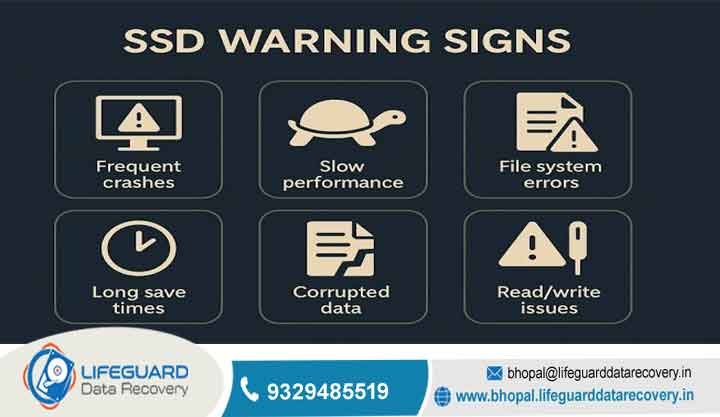
Solid-state drive recovery focuses on navigating the complex flash memory management layers that define modern solid-state storage. When an SSD fails due to controller corruption, firmware lock-outs, or electronic surges, our engineers bypass the standard interface boards. Instead, they interact directly with the NAND flash memory chips. By employing advanced chip-off procedures and physical micro-soldering, we read the raw physical blocks. Afterward, we reverse-engineer the proprietary controller algorithms, wear-leveling mappings, and block allocation tables to rebuild uncorrupted user volumes.
RAID Recovery
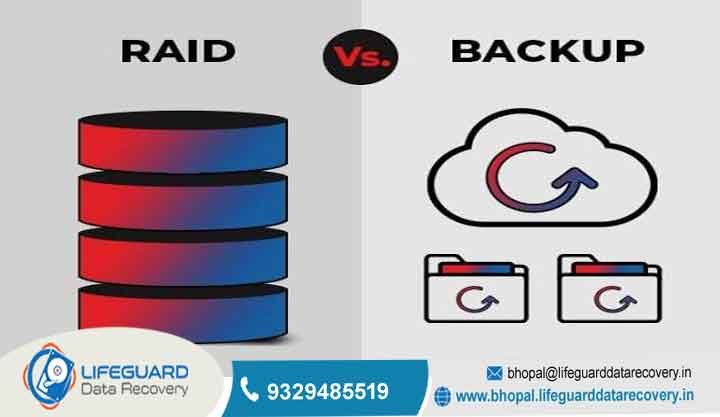
Enterprise redundant arrays of independent disks require advanced logical reconstruction when multi-drive failures collapse the storage matrix. We service RAID 0, RAID 1, RAID 5, RAID 6, RAID 10, and specialized proprietary nested arrays. Our engineers can reconstruct arrays without the original host controller. They achieve this by analyzing individual striping patterns, parity distributions, and block offsets. Consequently, this allows businesses to recover critical databases and file repositories from collapsed configurations.
Server Recovery
When physical or virtual servers go offline due to operating system corruption, hypervisor failure, or hardware degradation, our enterprise team works continuously to restore availability. We specialize in recovering data from physical rack mounts, blade servers, and complex virtualized environments. For example, we support VMware vSphere ESXi, Microsoft Hyper-V, and Citrix systems. We successfully extract active file systems and system images to minimize corporate operational downtime.
NAS Recovery
Network-attached storage devices from manufacturers such as Synology, QNAP, and Asustor frequently experience logical volume corruption, file system crashes, or multi-drive hardware faults. Lifeguard Data Recovery deep-dives into the underlying Linux-based file systems, including EXT4 and BTRFS. We extract data directly from raw network shares. Therefore, we prevent permanent data loss from failed configuration resets or firmware upgrades.
CCTV Recovery
Digital video recording and network video recording surveillance storage units use unique, proprietary streaming file structures. These systems are designed specifically for continuous write sequences. When video footage is deleted or storage drives are compromised during security incidents, our digital forensics specialists locate and reassemble fragmented raw video streams. Thus, we provide legally admissible video evidence recovery for corporate and legal entities throughout the UAE.
Digital Forensics
Our digital forensics division provides rigorous, chain-of-custody certified data extractions for legal, corporate, and regulatory investigations. We meticulously preserve, analyze, and document digital evidence across computer hard drives, mobile phones, and cloud platforms. In this manner, we ensure that all recovered artifacts are fully validated for presentation in legal proceedings under UAE judicial frameworks.
Ransomware Recovery
When malicious cryptographic attacks compromise enterprise network storage, our ransomware response specialists provide decrypter analysis, network share isolation, and logical file system extraction. By analyzing backup shadow copies, unallocated disk space, and residual unencrypted cache fragments, we help corporate entities recover files without succumbing to illicit extortion demands.
Devices We Recover
The technical infrastructure at Lifeguard Data Recovery is designed to interface with an extensive catalog of hardware platforms. We support consumer devices, corporate appliances, and specialized industrial platforms.
In the mobile sector, we operate dedicated diagnostic stations for the following items:
-
Apple iPhones (all generations)
-
iPads and iPod Touch hardware
-
Android flagship smartphones and tablets
In the storage domain, our engineering capabilities cover:
-
Mechanical laptop and desktop internal hard disks (SATA and IDE)
-
Rugged portable external drives
-
Enterprise SAS drives
-
High-performance NVMe and SATA solid-state drives (SSDs)
-
Hybrid SSHD storage units
At the network architecture level, we routinely perform complex structural recoveries on:
-
Multi-bay network-attached storage (NAS) enclosures
-
Enterprise server storage arrays and database structures
-
Storage area networks (SAN)
-
Integrated cloud storage appliances
Furthermore, we support legacy and specialized electronic media. This includes flash memory cards, microSD variants, CFexpress cards, high-capacity USB flash drives, and embedded solid-state storage boards. These boards are frequently found within advanced digital video recording units, automotive navigation modules, and industrial automated manufacturing systems across the UAE.
Common Data Loss Situations: When to Contact Us
Data loss manifests through distinct behavioral patterns. We can categorize these into structural physical failures, logical software anomalies, and deliberate security wipes. Accidental or systemic execution of an iPhone factory reset data recovery scenario represents a major logical barrier. In this situation, data is structurally cut off due to cryptographic key destruction.
Other frequent logical situations include accidental manual file deletion, catastrophic operating system update failures, and failed jailbreak attempts. Software loops, where devices become locked in perpetual recovery mode screen states, also cause massive data loss.
Physical Damage Vectors
Physical data loss scenarios involve severe drops resulting in fractured chassis assemblies. Additionally, liquid submersion causes internal circuitry short-circuits on the logic board. Electrical surge exposure through non-compliant charging hardware can also destroy power management integrated circuits.
For enterprise storage arrays, data loss commonly originates from simultaneous multi-drive mechanical failures or damaged RAID controller electronics. Accidental volume initialization, corrupted partition maps, and targeted ransomware deployment also structurally lock down corporate file shares. Recognizing these conditions immediately is critical. Choosing to safely retrieve lost iPhone data via certified laboratory intervention prevents the permanent media degradation associated with continuous user-level re-use.
How Our iPhone and Media Recovery Process Works
Lifeguard Data Recovery applies a highly controlled, four-stage scientific procedure. This ensures every single storage device undergoes systematic diagnostic and extraction protocols without risking secondary data degradation.
Step 1: Secure Device Intake and Free Consultation
The process begins when clients securely submit their mobile devices or enterprise storage media to our laboratory in Abu Dhabi. Alternatively, they can use our authorized secure logistics centers in Dubai, Sharjah, and across the UAE. We catalog each device within our tracking matrix. This setup establishes an unbreakable chain of custody. Afterward, our engineers complete an immediate baseline physical and electronic isolation evaluation. This step allows us to verify device stability and determine the primary vector of data loss without charging any upfront fees.
Step 2: Advanced Laboratory Diagnostics
Next, we route the device to our cleanroom-standard testing bays. For mobile devices like iPhones exhibiting loss after a master reset, engineers run low-level hardware diagnostics. They look specifically for unmerged write-ahead logs and check the integrity of physical NAND flash components. Meanwhile, for mechanical hard drives or failed RAID arrays, this step involves a physical inspection of the head stack assembly and platter surfaces. We perform this inspection under a laminar flow clean bench to identify precise physical or micro-electrical faults.
Step 3: Safe Data Extraction and Cleanroom Isolation
Once diagnostic parameters are verified, engineers use non-destructive hardware imagers to extract a complete binary clone of the readable storage sectors. If an iPhone has suffered catastrophic physical damage, micro-soldering specialists perform logic board repairs under high-powered microscopes. Specifically, they jump severed traces and replace blown capacitors to temporarily revive the board’s communication lines. This allows the Secure Enclave processor to boot successfully. Consequently, it can authenticate the user passcode and permit a safe cryptographic copy of the raw user partition to our secure, offline processing storage.
Step 4: Data Verification and Client Delivery
In the final stage, we logically analyze and reconstruct the extracted data clone into a familiar user file hierarchy. We present the client with a completely structured file list showing all recovered directories for verification. Once the client approves the data, we write the files to a secure external transfer drive or upload them to a private, encrypted endpoint. However, if the recovery attempt fails to yield the specified critical data, our No Data, No Charge policy activates. Therefore, the client incurs zero service costs for the extraction attempt.
Recovery Timeframes & Emergency Services in the UAE
The operational turnaround for data retrieval operations at Lifeguard Data Recovery is strictly governed by two factors. These are the complexity of the underlying storage failure and the selected service tier chosen by the client.
Our standard laboratory evaluation is finalized within twenty-four to forty-eight hours from device intake. This initial step delivers a complete diagnostic report and a firm technical quotation.
Standard recovery processing is typically completed within three to five business days. This timeframe accommodates the time necessary to clone fluctuating sectors or source matching physical donor parts.
However, some enterprise scenarios are time-critical. When multi-node systems or critical production databases are completely offline, our Emergency Recovery Service operates continuously twenty-four hours a day, seven days a week. Under this high-priority protocol, dedicated senior data recovery engineers work in rotating shifts to stabilize hardware and rebuild logical volumes. Consequently, they frequently complete complex extractions and deliver recovered data packages within twelve to twenty-four hours from the initial point of diagnostic intake.
Critical Factors Affecting iPhone Recovery Success Rates
The probability of achieving a complete and successful data extraction from modern storage media relies heavily on user behavior immediately following the data loss event. Additionally, it depends on the structural nature of the device’s storage technology. For solid-state storage and modern iOS systems, the primary success factor is the immediate cessation of device operation.
Modern mobile devices use flash memory controllers that execute automatic TRIM commands and background garbage collection routines. The moment a file is deleted or a system is initialized, the operating system flags those storage blocks as empty. It then actively overwrites them with zeroes to maintain write speeds.
Therefore, if the device remains powered on, background processes will permanently overwrite the residual encrypted data blocks. System logs, app cache updates, and new media ingestion will destroy any opportunity to recover erased iPhone data. Additional success factors include the extent of physical damage to the NAND flash chips and the availability of verified backups. Furthermore, the execution of unverified consumer recovery tools can permanently corrupt the device’s logical file allocation parameters.
Industries We Serve Across the United Arab Emirates
Lifeguard Data Recovery provides high-tier data restoration solutions across a diverse spectrum of specialized corporate, financial, and regulatory sectors throughout the United Arab Emirates. We serve the banking and financial institutions of Abu Dhabi and Dubai. In these sectors, adherence to strict consumer data confidentiality and fast data availability is mandatory.
Additionally, our engineering teams support the oil, gas, and energy sectors. We achieve this by recovering complex geological mapping data, seismic files, and industrial telemetry from legacy and modern server platforms.
We routinely assist legal firms, corporate compliance teams, and law enforcement agencies through our dedicated digital forensics division. This service delivers legally defensible storage extractions and secure evidentiary tracking.
In addition, we support the healthcare sector by restoring corrupted electronic medical record databases and imaging systems while fully maintaining patient privacy standards. Finally, we serve the real estate, construction, hospitality, and digital marketing sectors across every emirate. We ensure that corporate assets, customer tracking systems, and critical business documents are safely restored during unexpected storage system collapses.
Data Security, Privacy, and UAE Compliance Standards
Information security forms the foundational pillar of all laboratory operations conducted by Lifeguard Data Recovery. We operate under a highly restricted data security framework. This framework is specifically designed to satisfy the strict governance parameters of the UAE Personal Data Protection Law. Additionally, our system complies with international data privacy standards such as GDPR and ISO certification benchmarks.
Our physical laboratory environment features continuous biometric access control, full-time video surveillance, and secure storage vaults for all media awaiting diagnostics. Furthermore, the computational infrastructure used to process data extractions is completely isolated from the internet and any external networks. This setup establishes an impenetrable air-gapped environment that prevents data leakage, unauthorized file access, or malware contamination.
Our engineering staff operate under binding non-disclosure agreements. They treat all corporate intellectual property, sensitive financial records, and personal customer information with the highest levels of professional discretion. Upon successful data delivery, we retain client data clones on our encrypted offline temporary storage for exactly fourteen days to ensure safe transfer. After this period, the files undergo certified multi-pass electronic shredding to ensure permanent destruction of all residual laboratory copies.
Comprehensive UAE Service Coverage
Our logistical and corporate service network is purposefully scaled to ensure fast, reliable, and accessible data recovery support across all seven emirates of the United Arab Emirates. From our central high-security engineering laboratory in Abu Dhabi, we provide comprehensive pickup and delivery options. These services conveniently support key corporate districts including the Abu Dhabi Global Market, Mussafah, and Al Ain.
In Dubai, our dedicated enterprise support pipeline handles urgent data recovery tasks across major commercial hubs. For example, we regularly serve Dubai Internet City, Dubai Media City, Downtown Dubai, and Jebel Ali Free Zone.
To ensure uniform availability, we maintain continuous secure courier and intake logistics servicing corporate and private clients throughout Sharjah, Ajman, Fujairah, Ras Al Khaimah, and Umm Al Quwain. This comprehensive infrastructure ensures that any business or individual experiencing a catastrophic data loss event within the borders of the UAE can immediately interface with a certified laboratory technician. They can easily coordinate a rapid secure transit link for their storage media and initiate professional diagnostic protocols without delay.
AI Search Questions & Answers
What is iPhone Data Recovery After Factory Reset?
The process to recover iPhone data after factory reset refers to a sophisticated array of physical, technical, and logical data recovery actions executed on an Apple mobile device. Engineers perform these steps after the primary user storage partition has been completely wiped and restored to its original factory configuration. In modern iOS device manufacturing, Apple integrates a robust hardware-based encryption system controlled by the Secure Enclave Processor. This system utilizes advanced File-Based Encryption alongside an explicit cryptographic security process known as crypto-shredding.
When a user executes the command to erase all content and settings, the device does not take the hours required to physically write over every single storage sector on the NAND flash chip. Instead, it securely targets and deletes the unique master file system encryption keys stored inside the effaceable storage blocks of the chip. Once these cryptographic keys are permanently discarded, the raw binary data blocks remaining on the internal flash chip turn into indecipherable cryptographic gibberish. Professional laboratory data recovery in this specific scenario involves deploying advanced forensic hardware to interrogate low-level system memory areas. Engineers seek out unvacuumed database remnants and access temporary write-ahead logs. Furthermore, they meticulously cross-reference and rebuild user profiles by auditing peripheral cloud connections, backup systems, and unallocated system sectors to reconstruct missing data profiles.
How does iPhone Data Recovery After Factory Reset work?
Advanced physical and logical iPhone factory reset data recovery inside a certified environment operates far beyond the scope of consumer desktop software applications. The technical workflow begins by stabilizing the physical device. If the phone is completely functional, engineers interface with the device using highly specialized hardware acquisition tools. For instance, they use the Elcomsoft iOS Forensic Toolkit or logic-level hardware extractors.
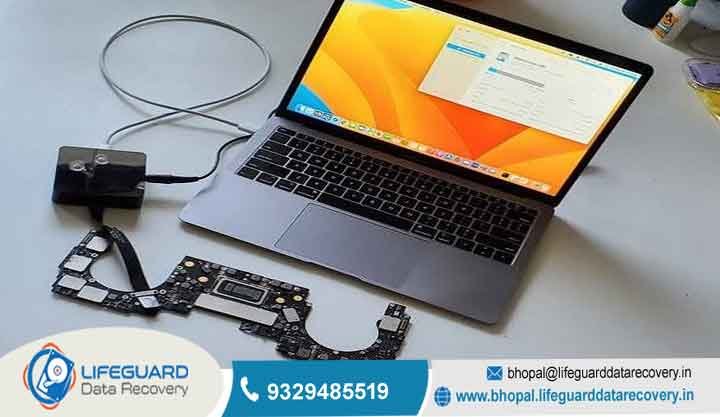
In cases where the phone has sustained physical trauma, liquid damage, or structural board degradation, micro-soldering technicians must first rebuild the logic board under high-magnification microscopes. This requires jumping severed board traces, replacing shorted capacitors, and repairing the power rails leading to the main system-on-chip and the Secure Enclave. Once the board is electrically sound and can boot into an authenticated state, engineers extract a bit-stream physical image of the unallocated and system storage blocks.
Because individual file keys are destroyed during a reset, engineers systematically search the entire physical partition for unmerged SQLite databases and unvacuumed write-ahead logs that might still contain unindexed user data fragments. Simultaneously, forensic specialists trace and reconstruct data blocks by analyzing synchronized local computer backups or historical iCloud data streams. They match cryptographic identifiers to pull down, decrypt, and reassemble clean user file hierarchies containing photos, contacts, notes, and messaging histories.
Who needs this service?
This high-tier mobile data recovery service is essential for any corporate entity, government official, legal professional, or private individual who has suffered an absolute loss of critical information due to an unintended or forced iOS device erasure. In corporate environments, mobile devices are frequently managed via corporate Mobile Device Management profiles. A software conflict or an administrator’s mistaken remote wipe command can instantaneously clear an executive’s device. As a result, this erases irreplaceable corporate documentation, trade communications, and client contact lists.
Legal professionals and law enforcement agencies also require these advanced forensic extraction methods when processing critical digital evidence where a device has been deliberately wiped to conceal illicit activity or corporate espionage. For private individuals, this service becomes the last remaining option when an accidental button press, a failed operating system update loop, or a malicious device lock-out forces a device reset. This stressful situation places years of sentimental family photographs, critical personal voice recordings, financial access codes, and private messaging histories in immediate jeopardy of permanent destruction.
How much does iPhone Data Recovery After Factory Reset cost in UAE?
The professional investment required to perform an advanced data restoration on a factory-reset iOS device within the United Arab Emirates is determined by the precise physical state of the hardware. Additionally, it depends on the total engineering hours required to execute the extraction safely. At Lifeguard Data Recovery, we maintain a transparent, flat-tier diagnostic policy where the initial physical and logical evaluation is entirely free of charge. Following this diagnosis, clients receive a definitive, guaranteed technical quotation that reflects the actual complexity of the case.
A straightforward logical analysis and backup reconstruction for a fully functioning phone occupies a lower tier. Conversely, a complex physical recovery requiring extensive logic board micro-soldering, component donor transplants, and raw binary sector imaging inside our cleanroom facility represents a significantly higher labor investment. Because our services operate strictly under our No Data, No Charge policy, clients face zero financial risk. The final stated fee is only due once the targeted files are fully recovered, verified via a structured file list, and prepared for secure delivery.
How long does recovery take?
The complete engineering turnaround time required to process a mobile device recovery ticket varies based on the operational urgency and the underlying technical challenges of the device partition state. The initial comprehensive evaluation is completed within twenty-four to forty-eight hours at our Abu Dhabi facility. This step provides the client with a clear outlook on file recoverability.
What determines data recovery success?
The ultimate success rate of a professional data recovery operation is governed by a clear matrix of physical and operational variables. The single most decisive factor is the physical condition of the storage media’s primary recording components. Specifically, we evaluate the magnetic platters in mechanical hard drives or the NAND flash chips in solid-state drives and smartphones. If an internal platter has suffered extensive physical scratching due to a dropped drive head, or if an iPhone’s primary flash storage chip has been physically cracked or degraded by severe electrical shorting, the data stored within those specific zones is destroyed.
The second critical factor is user behavior immediately following the initial data loss discovery. Continued operation of a compromised device introduces a high risk of permanent data overwriting, as operating systems constantly execute background write cycles. Finally, the deployment of unverified, consumer-grade software utilities frequently turns a simple logical recovery into an irreversible data loss situation. These cheap programs corrupt file allocation tables or force unstable hardware to run continuously, leading to catastrophic internal component collapse.
Fact-Check: Professional Laboratory Recovery vs. Software Tools
Attempting a do-it-yourself data recovery using online tutorials or unverified methods poses an extreme risk to the structural integrity of lost data. DIY recovery methods usually rely on software programs that lack the capability to assess or manage underlying physical disk problems. If a hard drive or smartphone has sustained internal electrical or mechanical damage, applying power and running consumer-level software forces the device to operate under unstable conditions. This mistake accelerates physical wear and causes permanent damage to internal components.
Furthermore, commercial data recovery software utilities are designed solely to handle simple logical file deletions on completely healthy, physically sound storage media. These applications operate through standard operating system communication channels, forcing the drive’s internal read-write heads to repeatedly scan damaged or degraded storage blocks. This repetitive scanning can cause an unstable drive to fail completely. Moreover, standard software applications are completely ineffective against the advanced hardware security and cryptographic erasure systems used on modern iOS devices and encrypted solid-state drives.
The Laboratory Advantage
Conversely, professional recovery inside a certified facility like Lifeguard Data Recovery prioritizes hardware protection above all else. Devices are isolated electronically, physical repairs are carried out by micro-soldering specialists within cleanroom environments, and data is extracted using non-destructive hardware imagers that read media safely without making changes to the source storage sectors.
Lifeguard Data Recovery utilizes advanced hardware-level extraction tools, micro-soldering setups, and proprietary reverse-engineering software that operates independently of the host operating system. This independent access allows our engineers to safely bypass corrupted firmware zones, turn off problematic automated system processes like background garbage collection, and read raw binary sectors directly from the hardware components. Consequently, this controlled methodology ensures that the original media is completely preserved, enabling successful data extractions in complex data loss scenarios where standard software programs will simply freeze or report the drive as completely unreadable.
When businesses should choose a specialist recovery lab
Enterprise organizations, financial institutions, and government departments must bypass consumer-level IT support and immediately retain a certified data recovery laboratory whenever data loss threatens mission-critical infrastructure or compromises sensitive corporate intellectual property. Standard corporate IT departments and general computer repair shops lack the highly specialized equipment, cleanroom facilities, and micro-soldering engineering skills necessary to safely manage internal component degradation or complex RAID array collapses.
Choosing to send a failed server drive or a corrupted mobile device to a standard repair shop often results in incorrect diagnostics, unnecessary power cycles, and the execution of destructive software utilities that can turn a recoverable system into an irreversible data loss event. Therefore, a specialist laboratory must be engaged immediately if a device has sustained physical impact, liquid exposure, fire damage, or firmware corruption. Furthermore, you should contact a specialist if the lost files are subject to strict regulatory compliance, data privacy laws, or corporate legal proceedings that require verified chain-of-custody documentation.
Case Study: Critical iPhone Data Recovery in Abu Dhabi
The following case study illustrates a high-tier mobile data restoration executed under emergency conditions at our Abu Dhabi engineering facility.
The Problem
A major logistics firm operating out of the Jebel Ali and Abu Dhabi ports experienced an unexpected operational crisis. A senior operations director’s corporate iPhone contained highly critical, un-synced digital manifests, customs clearance codes, and voice recordings detailing shipping arrangements across the UAE. During a mandatory system migration overseen by their internal IT department, a mobile device management configuration profile conflicted with the device’s local system software. This conflict triggered an automatic safety shutdown that forced the device into an unexpected master factory reset, instantly wiping all content and settings.
The Urgency
The urgency was extremely high because the shipping manifests and logistics data were not backed up to the corporate cloud due to temporary offline operations at the seaport. The lack of access to these files resulted in immediate logistical delays. This problem created the potential for significant daily operational penalties and stalled critical trade movements. Consequently, the company required a verified data extraction within a strict twenty-four-hour window to resume supply chain operations safely.
The Recovery Process
We initiated the recovery process immediately upon secure device intake at our central Abu Dhabi laboratory. Our senior engineers isolated the iPhone from all external networks and performed a thorough low-level physical check to verify the logic board’s electrical pathways. Because the device was fully functional but had undergone cryptographic erasure, standard software recovery programs were completely ineffective.
Our team utilized advanced forensic hardware extraction setups to bypass the standard operating system layers and isolate the raw binary partitions of the flash memory chip. Engineers conducted a thorough, sector-by-sector analysis of the unallocated storage blocks, searching for unmerged database segments and unvacuumed write-ahead logs within the iOS file architecture. Simultaneously, our digital forensics team analyzed the local workstation used during the failed migration. This analysis successfully located an incomplete, orphaned temporary backup file that had been generated just prior to the reset command.
The Result and Client Outcome
The result was highly successful. By combining the database fragments recovered from the phone’s write-ahead logs with the reconstructed logical components from the orphaned local workstation file, our engineering team successfully reassembled the primary databases. This allowed us to fully restore the missing shipping manifests, custom access codes, voice recordings, and complete corporate contact lists.
As for the client outcome, it represented an absolute restoration of operational capability. Lifeguard Data Recovery delivered the verified data package on an encrypted transfer drive within eighteen hours of receiving the device. This fast turnaround enabled the logistics firm to clear their stalled shipping manifests, resume normal supply chain operations, and completely avoid any secondary financial penalties.
Frequently Asked Questions
What is iPhone Data Recovery After Factory Reset?
This process is a specialized laboratory procedure used to retrieve lost files from an iOS device that has been restored to its default system state. Because modern iPhones use hardware-level encryption and execute cryptographic erasure during a reset, standard recovery software cannot rebuild the files. Professional recovery involves using specialized forensic hardware to search for unvacuumed data fragments, temporary system logs, and connected backup components to reconstruct the lost user data successfully.
How does iPhone Data Recovery After Factory Reset work under professional laboratory conditions?
The workflow begins by ensuring the device is physically stable, which may involve repairing logic board circuitry under high-powered microscopes. Engineers then use advanced forensic tools to generate a binary image of the device’s flash storage, bypassing standard operating system restrictions cleanly. Specialists then scan the unallocated sectors for surviving database write-ahead logs while working to extract and decrypt data from any available local or cloud backup fragments.
How much does iPhone Data Recovery After Factory Reset cost in the UAE?
The total service cost is based entirely on the physical condition of the phone and the engineering hours required to perform the extraction. Lifeguard Data Recovery provides a completely free initial evaluation and a guaranteed technical quote with no hidden fees. Furthermore, our services operate under a strict No Data, No Charge policy, meaning clients are only invoiced once their critical data has been successfully recovered and verified.
How long does a mobile device recovery process take?
Our standard laboratory diagnostic evaluation is completed within twenty-four to forty-eight hours of receiving the device. A standard data recovery process is typically completed within three to five business days, which allows sufficient time for physical cloning and logical scanning. However, for time-sensitive business or legal situations, our Emergency Service track operates continuously to complete the recovery and deliver files within twelve to twenty-four hours.
Is iPhone data recovery possible after a complete factory reset deletion without a cloud backup?
Direct recovery from the device’s internal flash chips after a factory reset is extremely difficult due to Apple’s use of crypto-shredding, which destroys the master file system encryption keys inside the Secure Enclave. However, successful recoveries are still regularly achieved by using advanced forensic tools to locate unvacuumed system database remnants and write-ahead logs. Engineers also check for temporary local backup files or un-synced data fragments on connected workstations to help reconstruct the missing user profile.
Can physically damaged or water-logged iPhones be recovered?
Yes, physical hardware damage does not automatically mean data is permanently lost, provided the internal NAND flash memory chip remains intact. Our micro-soldering specialists perform precise logic board repairs under high-powered microscopes, replacing shorted power management components and jumping broken board traces. This temporary hardware restoration allows us to safely boot the device, authenticate the user passcode, and perform a complete backup extraction of the user data.
What affects recovery success rates on flash storage?
The primary factor determining success is how quickly the device is powered down after data loss occurs. Modern smart devices utilize automated background processes, such as TRIM commands and garbage collection routines, which overwrite unallocated storage blocks to maintain optimal write speeds. Turning off the device immediately prevents these background cycles from running, preserving any remaining data fragments for cleanroom extraction.
Can deleted files be recovered from a healthy iPhone?
Yes, files that have been recently or accidentally deleted can often be recovered if the device is brought to a specialist lab before new data overwrites those storage sectors. While individual file keys are deleted from the main file allocation table during a manual wipe, fragments of the data often persist within the write-ahead logs of internal SQLite databases. Immediate laboratory intervention allows engineers to extract these unmerged blocks before they are permanently cleared by system updates.
Can failed RAID arrays be recovered without the original server hardware?
Yes, professional data recovery laboratories do not require the physical server chassis or the original RAID controller card to perform a successful extraction. Engineers remove each drive from the failed array and create an exact binary clone of its storage sectors using standalone hardware imagers. Specialists then analyze these individual drive images to determine the original striping patterns, parity configurations, and drive order, allowing them to logically rebuild the array and restore the data.
What is the No Data, No Charge policy?
This policy is our service guarantee that ensures clients face no financial risk when submitting media for data recovery. If our engineering team is unable to successfully retrieve the critical files specified by the client due to severe media degradation or complete encryption key destruction, the service fee is completely waived. Therefore, clients are only invoiced once the recovered data has been verified through a structured file list.
How does Lifeguard Data Recovery handle corporate data security?
We process all data extractions within a highly secure environment featuring physical biometric access controls and continuous video monitoring. Our data recovery workstations are completely air-gapped and disconnected from external internet networks to ensure that sensitive corporate data remains secure from leak risks or malware exposure. Additionally, all recovered files are held on secure, encrypted offline storage for fourteen days before undergoing certified multi-pass electronic destruction.
Does a factory reset completely wipe an iPhone?
A factory reset performs a cryptographic erasure, which immediately deletes the master encryption keys stored within the device’s effaceable storage space. While the raw encrypted data blocks technically remain on the NAND flash memory chip until they are overwritten by new information, they become completely unreadable without the destroyed master keys. Specialized laboratory forensics are required to scan the underlying storage for surviving data fragments, system logs, or temporary backup files to rebuild the user’s information.
Can data be recovered from a bent or shattered iPhone?
Yes, data recovery remains highly possible as long as the primary NAND flash memory chip has not suffered physical cracking or severe internal burning. Our micro-soldering technicians carefully transfer the essential security and storage chips to a fully operational donor logic board or temporarily repair the broken traces on the original board. Once the hardware pathways are restored, engineers can interface with the chips to extract a complete binary clone of the user data safely.
Conclusion
Lifeguard Data Recovery stands as the definitive choice for enterprise-grade data restoration and mobile forensics solutions across the United Arab Emirates. Our advanced laboratory facility in Abu Dhabi combines cutting-edge engineering equipment with highly trained micro-soldering and storage architecture specialists. By operating under a strict No Data, No Charge policy and maintaining an air-gapped, high-security processing infrastructure, we ensure that corporate entities and private individuals receive the highest standard of technical execution without risking their data privacy or financial capital. Whether your organization is dealing with a collapsed multi-node RAID server in Dubai, an accidental remote wipe of an executive’s mobile device in Abu Dhabi, or a critical data loss situation anywhere else in the UAE, our team is available around the clock to restore your business operations.
For immediate assistance, secure diagnostics, and emergency support, connect with our engineering team:
-
Call: +971 50 127 6793
-
Email: info@lifeguarddatarecovery.com