+971 50 217 6793 Abu Dhabi, UAE info@lifeguarddatarecovery.com
Recover Deleted Photos From Android
Recover Deleted Photos From Android Losing important images from your smartphone can severely disrupt your business operations. On modern Android devices, factory-set encryption makes data recovery a complex task. Standard consumer applications simply cannot bypass these advanced security layers.
Fortunately, Lifeguard Data Recovery provides advanced laboratory-grade solutions across Abu Dhabi and all seven Emirates. Our skilled engineers use forensic bypass tools and logic board micro-soldering to stop automatic file deletion. Consequently, we safely reassemble unallocated storage fragments to retrieve your critical visual assets. Contact us today to protect your vital data before the system overwrites it permanently.
Who is Lifeguard Data Recovery?
Lifeguard Data Recovery stands as the premier institutional provider of certified hardware-level storage retrieval in the United Arab Emirates. We specialize specifically in digital forensic investigations and complex database reassembly services.
Our primary engineering facility is located in Abu Dhabi. However, our rapid-response engineering networks extend deeply across Dubai, Sharjah, Ajman, Fujairah, Ras Al Khaimah, and Umm Al Quwain. We proudly serve corporations, government legal departments, and individual commercial stakeholders nationwide.
Advanced Laboratory Engineering vs. Standard Repair Shops
Many conventional IT repair shops rely entirely on basic consumer-grade software applications. In contrast, our laboratory uses dedicated physical hardware diagnostic tools and advanced micro-soldering workstations.
We also maintain specialized logical extraction stations to handle extreme data loss situations. For example, our team excels at retrieving critical digital assets from physically compromised, water-damaged, or unbootable corporate mobile storage units. Therefore, we can reliably ensure complete compliance with your strict global asset retention criteria.
Why UAE Businesses Choose Lifeguard Data Recovery
Enterprise clients and commercial organizations across the UAE choose our services because we align perfectly with strict institutional security frameworks. Furthermore, we consistently maintain rigorous technical performance metrics.
Our team operates under full compliance with the UAE Personal Data Protection Law (PDPL). Because of this commitment, our laboratory guarantees absolute confidentiality through legal Non-Disclosure Agreements (NDAs). Moreover, we protect your files with end-to-end data chain-of-custody protocols during the entire recovery cycle.
Our Specialized Infrastructure and Expert Team
Our engineering infrastructure includes specialized cleanroom environments. These controlled spaces allow us to handle sensitive physical media safely without environmental contamination risks.
Additionally, our team comprises certified digital forensics specialists and hardware engineers. These experts possess the rare skills required to bypass sophisticated storage controllers and kernel locks. We also maintain a strict “no data, no charge” corporate policy for standard diagnostic profiles. This policy completely eliminates financial risk while delivering industry-leading recovery success rates.
Enterprise Mobile Storage & Photo Recovery Services We Offer
Lifeguard Data Recovery delivers an exhaustive suite of digital restoration solutions. Our procedures can resolve even the most complex storage architecture failures.
Our immediate service framework optimizes Android photo recovery and mobile device image extraction. However, our engineering capabilities span the entire spectrum of corporate storage management.
Comprehensive Data Recovery Capabilities
-
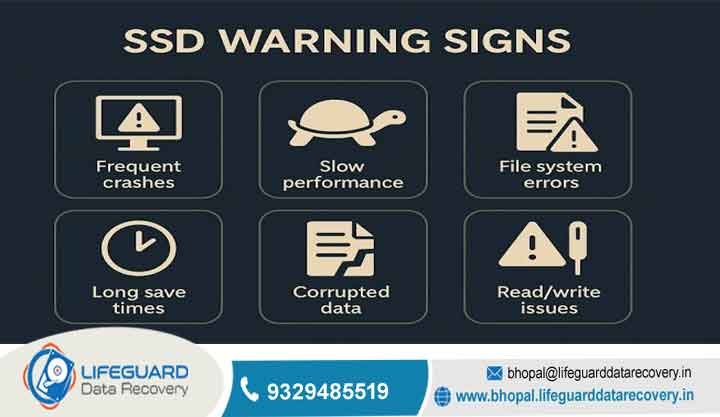
SSD Recovery: We deploy specialized proprietary configurations to target solid-state storage controller faults effectively.
-
Hard Drive Recovery (HDD Recovery): Our engineers easily repair mechanical platter and head assembly failures.
-
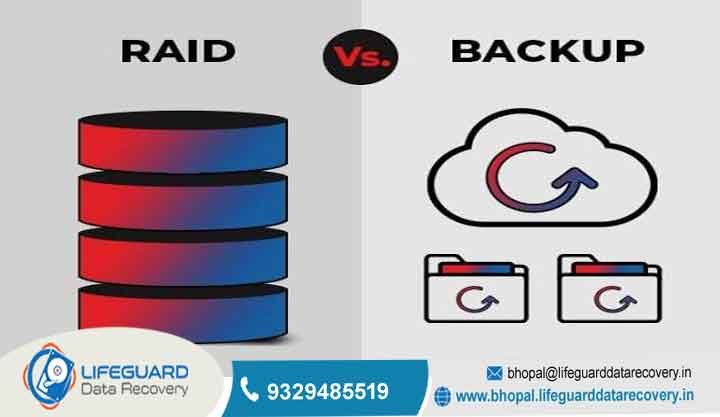
Advanced RAID Recovery: We execute complex multi-disk setups on the enterprise infrastructure tier.
-
Server Recovery Operations: Our team restores active commercial operations following structural drive array collapses.
-
NAS Recovery Protocols: We support business networks through dedicated, secure network storage retrieval.
-
CCTV Recovery: Clients can rely on us to restore critical, high-capacity surveillance logs.
-
Digital Forensics: We provide comprehensive data auditing for strict legal compliance.
-
Ransomware Recovery: We deploy rapid-response tactics to counteract enterprise-level encryption extortion incidents.
Android Devices and Media Storage Architectures We Recover
Modern smartphone systems utilize diverse physical flash memory configurations. These setups demand highly targeted engineering interventions during data loss events.
Lifeguard Data Recovery processes all premium and mid-range Android hardware footprints. For example, we regularly work with Samsung Galaxy lines, Google Pixel platforms, OnePlus models, and major enterprise mobile devices.
Supported Flash Memory and Storage Protocols
Our laboratory interfaces directly with physical storage controllers using high-bandwidth Parallel-Bus Managed NAND. Additionally, we service embedded MultiMediaCard (eMMC) packages and state-of-the-art Universal Flash Storage configurations. These include UFS 3.0, UFS 3.1, and UFS 4.0 monolithic Ball Grid Array (BGA) layouts.
We successfully extract data from internal flash storage partitions, external MicroSD layouts, and secure file storage frameworks. Modern Android operating systems implement complex File-Based Encryption (FBE) that binds deeply to the processor hardware.
Because of this security design, our device recovery protocols focus heavily on stabilizing the underlying internal circuit boards. This mechanical stability allows us to unlock raw hardware sectors directly. Consequently, we can salvage your missing information even when the device appears completely dead.
Common Android Data Loss Situations Addressed
Logical and physical storage failures require radically different diagnostic approaches to ensure successful image file extraction. Lifeguard Data Recovery provides deep system reassembly across a wide array of file corruption and physical destruction scenarios.
-
Accidental Deletion and Formatting: This involves user-initiated permanent erasure, automated gallery trash emptying, or accidental factory reset execution within user storage partitions.
-
Physical and Liquid Destruction: We handle severe drops that cause cracked logic boards, total water immersion, or exposure to corrosive industrial fluids that short-circuit main power delivery lines.
-
System Firmware and Boot Collapse: Our team resolves Android OS boot-looping failures, corrupted system software updates, Knox Vault security lockouts, and dead Power Management Integrated Circuits (PMICs).
-
Malicious Software Attacks: We stop the damage from ransomware encryption payloads targeting local Android directories, malware-induced file index wiping, and unauthorized remote data wiping events.
How Our Advanced Recovery Process Works
Our structured laboratory engineering methodology minimizes degradation and maximizes file sector recovery from sensitive storage media. We strictly enforce a disciplined, read-only extraction process across three distinct operational phase.
Step 1: Secure Device Intake and Forensic Diagnostic Isolation
Every incoming Android device undergoes a controlled intake logging sequence within our secure Abu Dhabi laboratory facility. Engineers place the mobile unit into an isolated hardware environment immediately.
This step blocks external wireless signals, cellular networks, and background cloud synchronization routines. Consequently, it prevents remote wipe commands from executing. It also stops the device OS from initiating automated space-clearing routines.
Meanwhile, we conduct an initial non-destructive electronic assessment. This maps internal storage controller responses, power rail performance, and structural logic board integrity.
Step 2: Advanced Logic Board Engineering and Logical Imaging
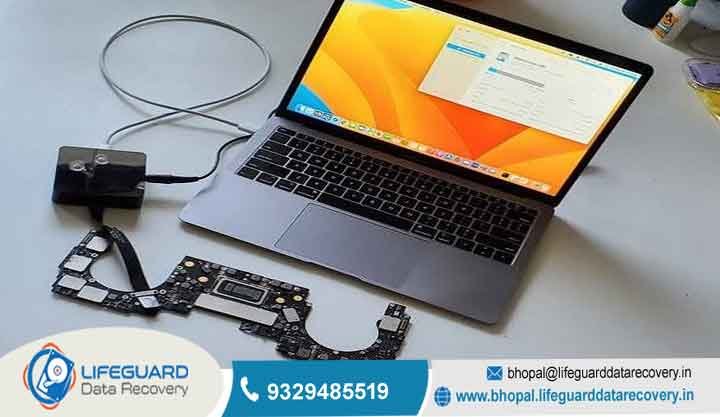
If the Android device presents severe physical damage, an unbootable state, or a blown power management IC, our micro-soldering specialists intervene immediately under high-magnification microscopes. We carefully repair compromised surface-mount components, replace blown capacitors, and rebuild fractured copper traces to restore temporary electrical stability.
Modern UFS 4.0 and complex FBE-encrypted systems make old chip-off methods non-viable because of strict hardware-bound encryption keys. Therefore, we perform complete CPU, RAM, and storage chip transplants onto a verified donor board. Once the hardware circuit is stable, we generate a bit-by-bit raw sector cryptographic clone of the storage media.
Step 3: Deep File System Extraction and Integrity Verification
With a verified binary image clone secured, our digital forensics engineers execute specialized raw data carving algorithms across unallocated sectors. We parse the underlying ext4 or Flash-Friendly File System (F2FS) structures to identify orphaned master file tables, structural headers, and metadata tags belonging to deleted image types like JPEG, PNG, and RAW.
Engineers reassemble fragmented blocks and pass files through rigorous validation scripts. This testing guarantees that recovered images contain valid visual data structures free of corrupt artifacts. Finally, we transfer the verified data to an encrypted external storage drive for secure delivery to the client.
Professional Recovery Timeframes
Data retrieval operations depend strictly on the physical condition of the incoming media and the complexity of the logical file system damage.
For standard corporate diagnostic assignments, Lifeguard Data Recovery completes a comprehensive sector analysis and engineering strategy outline within twenty-four to forty-eight hours. Standard data reassembly and verification workflows typically conclude within three to five business days.
In critical scenarios involving severe enterprise disruptions or ongoing litigation timelines, we activate our 24/7 emergency response protocol. This high-priority track utilizes dedicated engineering assets working continuously inside our laboratory. Consequently, we can stabilize circuitry and clone data streams within twelve to twenty-four hours.
Critical Android Photo Recovery Success Factors
The probability of achieving a successful file restoration from modern mobile storage media depends on several critical operational parameters:
-
Immediate Device Shutdown: Powering off the phone immediately following data loss stops background Garbage Collection and TRIM commands from executing. These background processes permanently overwrite unallocated blocks to optimize flash memory performance.
-
Encryption Key Integrity: Android utilizes File-Based Encryption (FBE) tied to the processor’s Trusted Execution Environment (TEE). Therefore, the hardware keys must remain accessible. Physical damage to the main CPU die or deep logic board layers can render data permanently unreadable despite successful flash chip readouts.
-
File Overwrite Prevention: Continued device operation, application installations, web browsing, or captured media after a deletion event forces the Android operating system to write fresh blocks over the exact unallocated storage sectors holding your deleted photographs.
Industries We Serve Across the Emirates
Lifeguard Data Recovery provides enterprise-grade data survival solutions tailored to the strict compliance and operational uptime demands of diverse UAE industry sectors:
-
Legal and Judicial Practices: We provide verifiable forensic mobile extractions, chain-of-custody documentation, and authenticated file evidence for corporate litigation across courts in Abu Dhabi and Dubai.
-
Government and Public Sector: Our laboratory delivers highly secure data recovery pipelines meeting federal security expectations and strict information governance frameworks.
-
Healthcare Institutions: We restore lost documentation, medical images, and asset data from mobile tablets and field equipment while complying with strict patient privacy boundaries.
-
Banking and Finance: Our engineers recover critical compliance files and transaction media from secured mobile devices under absolute cryptographic isolation.
Stringent Information Security & UAE Regulatory Compliance
At Lifeguard Data Recovery, security is an active engineering requirement. All data handling and extraction procedures conform strictly with the UAE Personal Data Protection Law (PDPL) and local cybersecurity regulatory standards.
Our physical lab premises are monitored continuously under video surveillance. Furthermore, restricted biometric entry points protect our diagnostic zones.
We process recovered consumer and corporate image files strictly on isolated air-gapped networks. Because these configurations completely lack internet connectivity, they neutralize potential external malware exploitation vectors or leakage.
Once data delivery is finalized and confirmed as complete by the client, our storage servers permanently purge all temporary data images. We use DoD-compliant multi-pass wiping protocols to ensure total erasure.
Full UAE Coverage: On-Site and Lab Intake Locations
Our enterprise logistics network spans across all major business hubs within the United Arab Emirates. This wide presence guarantees rapid device procurement and transit security for every client. You can access our primary laboratory intake point situated strategically in Abu Dhabi.
Alternatively, you can leverage our secure, climate-controlled corporate courier pickup services operating daily within Dubai, Sharjah, Ajman, Fujairah, Ras Al Khaimah, and Umm Al Quwain. By maintaining a cohesive logistics structure across the seven Emirates, we guarantee that compromised enterprise smartphones, high-capacity RAID arrays, or damaged server drives reach our specialized engineering diagnostics bay safely. For example, we carefully protect your media from environmental heat or physical vibrations during transit.
Frequently Asked Questions
What is professional Android photo recovery?
Professional Android photo recovery is a lab-grade data retrieval process focused on extracting raw data sectors from embedded flash memory chips when standard operating system paths fail. Our engineers utilize hardware interface tools, specialized micro-soldering setups, and forensic extraction environments to access the unallocated storage blocks of a device directly. This process bypasses standard operating system locks and security parameters to rebuild lost file metadata and image file structures from the ground up.
How does professional Android photo recovery work?
The recovery process involves bypassing the device operating system layers to generate a complete, bit-level cryptographic copy of the internal storage chip. If a phone is physically dead, engineers first perform circuit board repairs under a microscope to restore stable communication lanes with the processor and UFS memory chip. Once a raw binary image of the storage layout is secured, advanced file carving software parses the file system structures to isolate and reassemble deleted image file fragments.
Is photo recovery fully possible after accidental deletion?
Successful photo recovery after permanent deletion depends entirely on whether the specific storage sectors have been wiped by the system or overwritten by new data. Modern Android systems utilize background optimization commands called TRIM that automatically clear deleted blocks during idle states to maintain high storage write speeds. If the device is powered off immediately following a deletion event, the raw data fragments remain intact within unallocated space, allowing our forensic engineers to carve and rebuild the files completely.
Can physically damaged or dead Android drives be recovered?
Yes, physically broken or non-functional Android phones can be successfully recovered through professional logic board engineering. The underlying flash memory chip and CPU retain your stored files even when the device suffers from a broken screen, water submersion, or a completely dead power management IC. Our laboratory diagnostics isolate the exact hardware point of failure, enabling engineers to perform precise micro-soldering component replacements or transplant the core chipset to a working donor board to facilitate safe data extraction.
How long does the professional storage extraction process take?
The typical turnaround time for an Android storage extraction project ranges between three to five business days for standard laboratory analysis. This timeline includes device intake log processing, hardware diagnostic isolation, safe logical imaging, data reassembly, and rigorous file validation testing. Emergency recovery scenarios involving critical business operations or urgent legal proceedings can be expedited through our priority queue, which runs continuously to deliver verified results within twelve to twenty-four hours.
Can I use consumer software to recover files from modern Android phones?
Consumer-grade data recovery applications are largely ineffective on modern Android devices running Android 7.0 or higher due to strict File-Based Encryption (FBE) and scoped storage security protocols. These downloadable software programs cannot access raw internal disk sectors without root privileges, which often risks permanently bricking the phone or causing massive data overwrites during installation. Attempting to run consumer software scans while a phone is active triggers background garbage collection routines that permanently destroy the very files you are trying to rescue.
Why does modern Android encryption complicate photo recovery?
Modern Android systems implement File-Based Encryption where every file is encrypted with an independent cryptographic key derived from the CPU’s Trusted Execution Environment (TEE). This design ensures that data cannot be read by simply desoldering the memory chip and placing it into an external reader, a technique known as chip-off recovery. Successful recovery requires repairing the original logic board or transplanting the entire CPU, RAM, and storage chipset together as a unified stack to allow the system to successfully authenticate and decrypt the data sectors.
What should I do immediately after realizing photos are missing?
The single most critical action you can take to protect your missing data is to power off the Android device completely and immediately. Do not browse the web, do not take new photos, and do not download or install any recovery software applications, as all of these actions force the operating system to write new data over your unallocated sectors. Keeping the device powered down completely halts background TRIM commands and automated system updates, preserving the raw file fragments in their original physical state until they can be safely imaged in a controlled laboratory environment.
Do you guarantee data privacy during the recovery process?
Yes, Lifeguard Data Recovery provides an absolute guarantee of data privacy and strict confidentiality throughout every stage of our engineering workflow. Our laboratory space operates in total compliance with the UAE Personal Data Protection Law (PDPL), and all diagnostic workstations are completely air-gapped from external networks to prevent data breaches. Every project is executed under a comprehensive corporate Non-Disclosure Agreement, and our internal staff adheres to strict security clearances to ensure your private or corporate digital media remains fully protected.
What happens if my photos cannot be recovered?
Lifeguard Data Recovery operates under a clear professional commitment backed by our standard no data no charge policy for all regular logical and physical data retrieval projects. If our engineering team performs a full diagnostic assessment and determines that the target data blocks have been completely overwritten or that severe hardware die failure prevents decryption, you face no financial obligation for the recovery service. We provide a transparent technical diagnostic report detailing our findings, ensuring complete clarity regarding the physical or logical limitations encountered.
Comparative Analysis: Lab-Based Recovery vs. Software Applications
Relying on downloadable internet software applications to retrieve lost images from contemporary mobile devices introduces severe risks to data integrity. Consumer data recovery utilities operate entirely within the user-space layer of the Android OS. This means they are bound by modern security profiles that block direct access to raw storage blocks.
To perform a deep scan, these applications often require the user to root the device operating system. This is a highly destructive process that modifies system partitions, invalidates security certificates, and triggers massive cache writes that overwrite deleted data spaces. Furthermore, continuous phone operation during software downloads activates automated garbage collection routines across UFS layouts, causing the storage controller to permanently scrub unallocated sectors.
In stark contrast, lab-based recovery at Lifeguard Data Recovery utilizes advanced hardware-level bypass tools. These tools interface directly with the storage media without altering system files. Our engineers target the physical layers of the device, creating a read-only binary clone of the media while the device is maintained in an isolated, non-booted environment.
Consequently, this approach prevents the operating system from executing data-purging routines and protects the hardware from thermal stress. When dealing with modern File-Based Encryption, a dedicated laboratory infrastructure provides the specialized micro-soldering capabilities needed to reconstruct damaged circuits. This process enables safe hardware authentication and clean file retrieval that software apps simply cannot achieve.
Case Study: Successful Forensic Image Extraction from a Corrupted Device
The Data Loss Problem
A major corporate real estate firm based in Abu Dhabi suffered a critical data loss incident when an executive’s Android smartphone experienced a sudden hardware breakdown. The device contained un-backmapped documentation, high-resolution on-site development photos, and critical transaction media. It became entirely unresponsive, refusing to power on or interface with corporate IT systems.
Urgent Business Timelines
The missing visual assets were legally required within forty-eight hours to finalize a high-value real estate structural compliance file. Missing this deadline would result in severe contract extension penalties with regional municipal authorities.
The Forensic Recovery Process
The non-functional device was transferred immediately to our secure Abu Dhabi diagnostics bay. Initial physical assessment revealed a severe short-circuit on the primary power delivery rail of the main logic board, which had damaged the primary Power Management IC (PMIC). Because the device utilized modern UFS storage bound with File-Based Encryption, standard chip-off procedures were impossible.
Our micro-soldering engineers worked under high-magnification microscopes to carefully replace the compromised power control components and trace-route broken pathways, successfully restoring temporary power balance to the board. The unit was then linked to a hardware extraction station, allowing our team to capture a full binary sector image clone before the compromised board could degrade further.
Final Result and Client Outcome
Using the secured cryptographic clone, our forensics team extracted 100% of the target encrypted image directories from the unallocated block space, validating file headers and reassembling fragmented metadata blocks. All critical development photos and transaction media were successfully restored in their original native resolution.
Finally, we delivered the data to the firm on an encrypted drive within twenty-four hours. This rapid turnaround enabled the client to hit their legal submission window and secure complete compliance without penalty.
Expert Insights on Modern Mobile Storage File Systems
The architecture of modern mobile data storage has evolved significantly away from traditional magnetic disk or early eMMC formats. Contemporary premium Android devices utilize Universal Flash Storage (UFS) running complex internal architectures governed by Flash-Friendly File Systems (F2FS) or ext4 file boundaries.
A defining feature of these modern flash media layouts is the continuous integration of background space-clearing features designed to combat the physical limitations of write endurance and read speed degradation. When a file deletion event occurs, the operating system issues a hardware-level TRIM command to the storage controller, marking those file sectors as empty and authorizing immediate background block clearing via localized garbage collection subroutines.
Furthermore, the introduction of mandatory File-Based Encryption (FBE) since Android 7.0 radically changes the forensic recovery roadmap. In an FBE environment, the file system splits directory structures and file payloads into distinct cryptographic zones. Each file is protected by an individual unique encryption key derived from hardware-bound Master Keys stored inside the CPU’s Trusted Execution Environment (TEE) or external Knox Vault processors.
Consequently, traditional raw carving methods without live CPU communication yield nothing but unreadable ciphertext. Professional data recovery engineers must therefore shift focus toward complete hardware restoration, ensuring the main processor, system RAM, and UFS flash storage array remain electrically stable and functional enough to execute native cryptographic handshakes. This complex integration underscores why modern mobile data recovery demands deep engineering expertise and highly specialized laboratory systems.
Secure Consultation & Diagnostic Bookings
If your business faces a critical data loss event, contact Lifeguard Data Recovery immediately to secure your digital assets before background system processes cause irreversible overwrite damage. Do not attempt repetitive device reboots or run generic consumer software utilities, as these actions accelerate data degradation on encrypted UFS and flash storage media.
Our engineering team stands ready to deliver certified, secure data retrieval solutions across all seven Emirates. Reach out to our technical diagnostics department through our verified corporate channels to arrange for immediate device intake evaluation and formal corporate onboarding.
-
Call: +971 50 127 6793
-
Email: info@lifeguarddatarecovery.com