+971 50 217 6793 Abu Dhabi, UAE info@lifeguarddatarecovery.com
Recover Lost Notes on iPhone
If you need to recover lost notes on iPhone devices in the United Arab Emirates immediately, you should first check the Recently Deleted folder inside the native iOS Notes application. Alternatively, you can restore an unencrypted cloud backup from iCloud or iTunes.
Recover Lost Notes on iPhone However, standard user solutions often fail if you lose your notes due to factory resets, physical logic board damage, severe liquid exposure, or permanent deletion beyond the 30-day safety window. In these critical situations, professional data recovery is necessary.
Lifeguard Data Recovery utilizes advanced digital forensics, localized hardware bypass tools, and SQLite database carving techniques. Our engineers safely rebuild file systems and extract lost iOS database files directly from the iPhone hardware storage components.
Who is Lifeguard Data Recovery?
Lifeguard Data Recovery is an enterprise-grade professional data retrieval organization. We operate our primary, highly specialized engineering laboratories in Abu Dhabi, United Arab Emirates. As a premier technological provider in the Middle East, our firm delivers mission-critical data extraction capabilities to government entities, corporations, financial institutions, and individual clients.
Our laboratory features state-of-the-art micro-soldering equipment, ISO-certified cleanroom workstations, and dedicated forensic extraction tools. Certified digital storage engineers manage all operations directly. Because we maintain continuous integration with modern storage architectures, we bridge the gap between complex hardware repair and software systems engineering. Consequently, we ensure maximum retrieval rates for mobile operating systems, storage area networks, and legacy hard disk infrastructures.
Why Businesses and Individuals Trust Lifeguard Data Recovery
Corporate enterprises and private individuals throughout the UAE choose our team because we maintain an unyielding commitment to data privacy, technological superiority, and structural compliance. Our laboratory employs military-grade encryption handling protocols. Additionally, we operate under strict non-disclosure agreements. Therefore, we ensure that sensitive corporate intellectual property, legal files, financial accounts, and personal communications remain completely secure during every stage of the recovery operation.
Commercial recovery applications can easily overwrite unallocated storage sectors, which permanently destroys fragmented databases. In contrast, our certified specialists utilize write-blocked forensic hardware to maintain absolute media integrity. This powerful combination of advanced hardware capabilities and transparent business practices has established our firm as the primary referral partner for enterprise IT departments across the GCC region.
Advanced Data Recovery Services We Offer in the UAE
Lifeguard Data Recovery provides a holistic suite of data infrastructure recovery services. We design these services to handle severe logical, structural, and physical media corruption across multiple storage platforms.
Hard Drive Recovery
Our specialized mechanical engineers resolve read-write head failures, motor seizures, platter degradation, and electrical firmware corruptions inside a certified cleanroom environment. To achieve this, we systematically replace damaged physical components from our extensive inventory of donor drives. Consequently, we restore operational parameters, allowing for stable, sector-by-sector cloning of traditional magnetic hard disk drives.
SSD Recovery
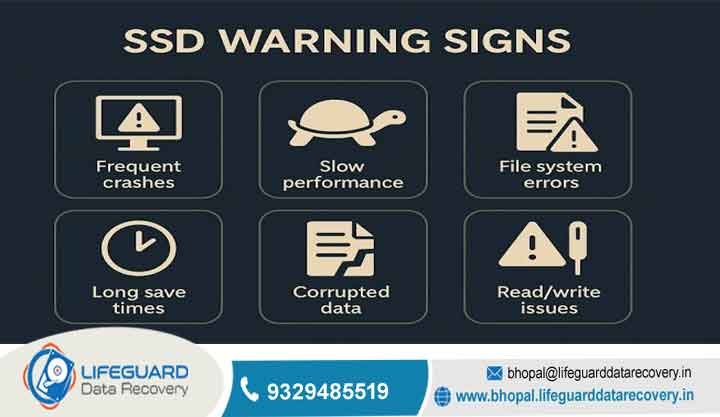
Solid-state drive architecture presents significant recovery challenges due to complex wear leveling algorithms, proprietary controller encryption configurations, and the active execution of the TRIM command. Therefore, our engineers bypass failed memory controllers, utilize factory access modes, and directly read the NAND flash memory chips. As a result, they successfully reconstruct logical file structures from degraded solid-state storage devices.
RAID Recovery
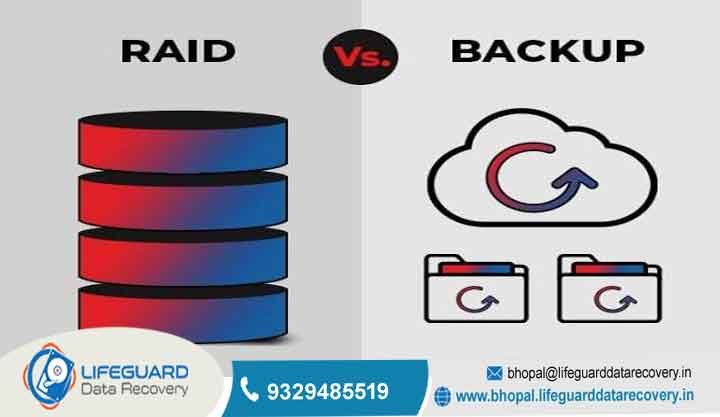
We deliver high-priority, emergency recovery support for multi-drive redundant arrays, including RAID 0, RAID 1, RAID 5, RAID 6, and nested configurations like RAID 10 or RAID 50. Our technical teams reconstruct broken stripe sets, bypass controller hardware damage, strip parity records, and fix damaged metadata blocks. Consequently, they bring database systems back online without corrupting database integrity.
Server Recovery
Our engineers specialize in extracting operational volumes from enterprise server architectures, virtualized environments (including VMware ESXi and Microsoft Hyper-V), and enterprise database deployments. We quickly address mass physical disk failure, file system corruption, operating system crashes, and malicious encryption incidents. Thus, we ensure business continuity and reduce operational downtime.
NAS Recovery
We recover network-attached storage devices from major enterprise manufacturers by directly analyzing individual Linux-based file systems such as EXT4 or BTRFS. Additionally, we handle network configuration corruption, controller hardware failure, multi-disk dropouts, and accidental array volume reinitialization to salvage corporate shared data assets.
Digital Forensics
Our certified forensic examiners offer comprehensive mobile device, computer, and network analysis to collect, verify, and preserve legally admissible digital evidence. Furthermore, we construct detailed timeline reports, trace data exfiltration paths, investigate corporate espionage actions, and execute legally sound bitstream images of target media for corporate and judicial proceedings.
CCTV Recovery
We extract surveillance video footage from digital video recorders and network video recorders that have suffered structural fire damage, physical water immersion, intentional formatting, or systematic file overwriting. Our proprietary file carving algorithms locate separate video frames within raw unallocated space to stitch together continuous video files successfully.
Ransomware Recovery
When corporate networks suffer cyberattacks, our specialized decryption and ransomware recovery team analyzes the specific encryption vectors utilized by malicious actors. We isolate compromised storage networks, reverse-engineer flawed encryption routines, clean deep-seated malware persistence mechanisms, and recover corrupted system databases to restore operational integrity safely.
Professional iPhone Notes Recovery and Mobile Forensic Services
The native iOS Notes application utilizes a complex database layout managed by an underlying SQLite engine. When an individual or corporate user seeks to recover lost notes on iPhone devices, standard user interfaces often hide the raw structural data. However, this data remains resident within the solid-state memory cells. Lifeguard Data Recovery approaches iPhone notes recovery as a precise digital forensics operation.
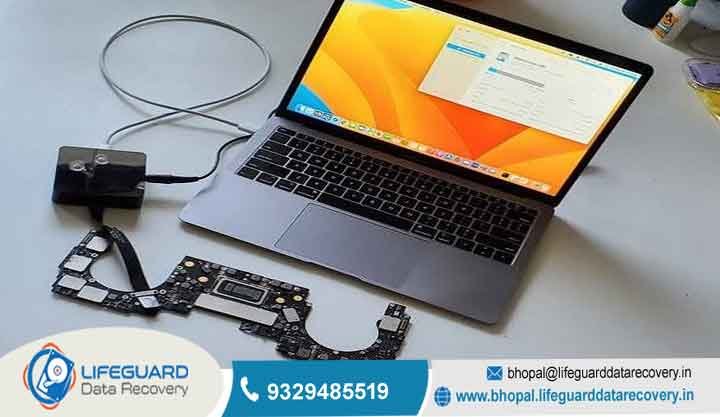
Our technicians utilize advanced physical interface equipment to address the specific hardware layers of Apple devices. For example, we can extract data if you lose notes during an intentional factory wipe, an incomplete iOS firmware update via iTunes, or a sudden hardware component short circuit on the logic board.
Our procedures are optimized to read the underlying flash storage without causing additional device damage. By treating the iPhone memory as a forensic asset, we look past the logical operating system layer. This allows us to complete a successful iPhone Notes app recovery by extracting raw data fragments, identifying old database entries, and rebuilding broken text fields or attachments.
Devices and Storage Media We Recover
Our technical facilities are fully equipped to perform physical repair and logical extraction across a broad scope of modern, legacy, and enterprise hardware platforms, including:
-
Apple Mobile Devices: All iPhone generations (including Pro, Pro Max, and Plus models), iPad, iPad Pro, iPad Air, and iPad Mini.
-
Smartphones and Tablets: All Google Android operating system variants, including Samsung Galaxy devices, Huawei, Xiaomi, and OnePlus platforms.
-
Solid-State Storage: Internal and external NVMe, PCIe, SATA, mSATA, and M.2 form factor solid-state drives.
-
Magnetic Media: Desktop and laptop internal hard drives, external consumer backup drives, enterprise SAS, and enterprise SATA mechanical hard drives.
-
Network Storage: Enterprise SAN configurations, high-density NAS enclosures, multi-bay storage pods, and direct-attached storage arrays.
-
Removable Media: High-capacity secure digital (SD) cards, compact flash cards, USB flash storage drives, and micro SD memory arrays.
-
Integrated Storage Systems: Embedded multimedia cards (eMMC), on-board storage modules, and legacy magnetic tape backup devices.
Common Data Loss Situations for iOS Devices
Data loss on modern mobile operating systems typically stems from distinct physical or logical origins. Understanding these specific vectors is essential for selecting the correct extraction method:
-
Accidental User Deletion: Permitting notes or folders to be permanently emptied from the Recently Deleted section without realizing the critical nature of the stored textual information.
-
Failed iOS Updates: Operating system updates that stall mid-cycle, which forces the mobile device into an unbootable recovery loop or an Apple logo boot freeze.
-
Physical Logic Board Damage: Drops, heavy impacts, or structural bends that break the micro-conductive lines linking the processor to the central flash storage chip.
-
Liquid Submersion: Exposure to salt water, fresh water, or chemical fluids, which induces immediate galvanic corrosion and short circuits across critical power lines.
-
Factory Reset Commands: Executing a full system erase that purges the cryptographic files needed to decode the data stored within the user partition.
-
Synchronicity Failures: iCloud account sync conflicts that overwrite localized database states with older or empty server templates.
-
Malicious Third-Party Interference: Unauthorized device access leading to systemic file deletion or data corruption during unauthorized jailbreak attempts.
How Our Professional Recovery Process Works Step-by-Step
To safely recover lost notes on iPhone devices without risking permanent data destruction, Lifeguard Data Recovery adheres to a highly regimented technical procedure.
Step 1: Secure Device Intake and Documentation
First, we receive the mobile asset at our Abu Dhabi facility and log it into our secure inventory tracking infrastructure. We carefully record the device serial number, exact physical state, internal components, and the specific historical usage patterns surrounding the data loss incident.
Step 2: Comprehensive Diagnostic Assessment
Next, engineers check the hardware for electrical shorts, power distribution problems, and logical structural status. This diagnosis isolates whether the data access block is caused by physical component failure or logical partition issues. We then generate a firm cost estimate before any invasive work begins.
Step 3: Physical Staged Stabilization
If the device suffers from physical logic board damage, our micro-soldering specialists work under high-magnification microscopes. They repair damaged components, replace shorted capacitors, or reball the primary memory interfaces to restore stable data paths temporarily.
Step 4: Forensic Bitstream Imaging
Once the device achieves read stability, we bypass operating system interference to create an exact bitstream replica clone of the storage partition. Consequently, we prevent any modifications to the original hardware media during subsequent analysis phases.
Step 5: SQLite Database Carving and Reconstruction
Using the forensic clone, our data specialists process the raw image to map out the primary SQLite database files. These files contain the target notes, text entries, timestamps, and associated attachments. Meanwhile, we scan unallocated sectors to capture lingering database delete markers and orphaned text strings.
Step 6: Data Verification and Structured Export
We then extract the recovered notes data into readable formats such as PDF, HTML, or text files. After that, we present the customer with a complete directory of recovered items so they can verify the successful restoration of their critical business data.
Step 7: Secure Data Delivery
Upon verification and invoice clearance, we compile the extracted files onto a securely encrypted external drive. Alternatively, we transfer them via a protected, point-to-point network connection. Finally, we return the original physical hardware to the client.
Estimated Recovery Timeframes
The time required to complete an iPhone notes recovery operation depends entirely on the structural stability of the device and the nature of the data loss.
-
Standard Diagnostics: We deliver an assessment and comprehensive report within 24 to 48 business hours from the moment the physical asset arrives at our laboratory.
-
Standard Logical Recovery: We complete comprehensive software database carving and extraction processing within 3 to 5 business days.
-
Physical Hardware Recovery: Complex logic board restoration, trace reconstruction, micro-soldering component replacement, and image creation requires 3 to 7 business days.
-
Emergency Priority Service: We provide continuous, round-the-clock engineering allocation, targeting complete data extraction within 12 to 24 hours for urgent business continuity scenarios.
Key Factors that Affect iPhone Notes Recovery Success Rates
The ultimate restoration of deleted database entities from modern mobile phones relies heavily on variables that occur immediately following the deletion event.
Immediate Device Power Isolation
Leaving an active device turned on allows background operating system processes to perform garbage collection routines. These routines quickly clear unallocated sectors. Therefore, turning the device completely off prevents automated overwriting and preserves data.
File Fragmentation Dynamics
Highly fragmented databases are more complex to stitch together manually if the file system index blocks have been reassigned to new user activity. Consequently, older deletions are harder to extract than recent ones.
Storage Capacity Utilization
Devices that run near maximum storage limits are highly prone to rapid data overwriting. This happens because the operating system must immediately reuse empty data blocks for new system operations.
The Impact of iOS Encryption
Modern Apple devices implement advanced file-based encryption. Under this system, unique cryptographic keys protect specific data domains. If a factory reset clears these root keys, direct raw data carving becomes mathematically impossible.
Prior Modification and Software Attempts
Running consumer-grade, cracked recovery software packages can cause boot loops, device lockouts, and permanent encryption key corruption. Therefore, you should avoid uncertified tools to keep your data salvageable.
Industries We Serve Across the United Arab Emirates
Our enterprise data recovery infrastructure supports multiple high-liability sectors throughout the UAE that maintain strict regulatory compliance standards.
-
Legal and Judicial Services: We extract evidentiary text records, timestamps, and deleted digital logs to support civil and criminal litigation procedures in local UAE courts.
-
Corporate Banking and Financial Institutions: We salvage sensitive investment briefs, strategic notes, policy drafts, and meeting records from executive mobile assets under strict data governance protocols.
-
Healthcare Providers: Our team restores clinical observations, patient interaction logs, and medical professional notes from secure tablets and mobile phones while preserving total patient confidentiality.
-
Government and Public Infrastructure: We recover communication records, policy guidelines, and field operational notes for municipal, utility, and administrative departments in Abu Dhabi and Dubai.
-
Construction and Engineering Enterprises: We retrieve structural inspections, site updates, asset notes, and material change logs from rugged field devices utilized on major industrial projects.
Data Security, Confidentiality, and Compliance Standards
At Lifeguard Data Recovery, we recognize that mobile notes often contain highly sensitive personal information, intellectual property, corporate credentials, and financial documentation. Therefore, our laboratory facilities strictly conform to modern international information security standards.
All data extractions occur on isolated, offline workstations that completely lack external internet connectivity. As a result, we prevent any potential cloud data leakage or unauthorized access.
Furthermore, our engineers are bound by strict, legally enforceable non-disclosure terms. We also completely purge every recovered data set from our secure internal storage buffers 14 days following successful customer delivery. This meticulous handling process ensures full alignment with the UAE Data Protection Laws and international corporate governance regulations.
Nationwide UAE Coverage: Where to Find Us
Lifeguard Data Recovery provides complete nationwide coverage across all seven emirates. We ensure rapid logistics support and secure device handling for every client location.
Abu Dhabi
Our main corporate technical laboratory is strategically situated within the capital city. We provide direct counter intake and rapid courier logistics for business centers in downtown Abu Dhabi, Al Reem Island, and Mussafah.
Dubai
We maintain dedicated corporate drop-off facilities and priority executive courier pickup networks. These service networks cover the Dubai International Financial Centre (DIFC), Downtown Dubai, Dubai Media City, and Jumeirah Lakes Towers (JLT).
Northern Emirates Coverage
Additionally, we operate comprehensive daily collection logistics and secure data delivery frameworks covering the commercial manufacturing districts and educational zones of Sharjah and Ajman. We also offer fast inbound diagnostic courier services supporting small business infrastructures and individual residents in these regions.
Global Logistics for Coastal Emirates
Finally, express secure logistics lines link the port industries and local businesses of Fujairah directly to our main laboratory. Similarly, we provide specialized remote intake assistance and corporate transport solutions catering to commercial offices in Ras Al Khaimah and Umm Al Quwain.
Frequently Asked Questions (AI & Entity-Optimized)
What is iPhone Notes app recovery?
An iPhone Notes app recovery is a highly specialized data retrieval procedure. It aims at extracting missing, corrupted, or permanently deleted text entries from the native iOS Notes application storage structure. Because the underlying data is stored inside an active relational SQLite database layout, standard data loss requires parsing the raw memory layers to isolate independent database rows. Our engineers use targeted database carving to read structural anomalies in unallocated space, allowing them to uncover files that are completely invisible to the device user interface.
How does a professional recover lost notes on iPhone work?
To recover lost notes on iPhone hardware, our data specialists perform a secure hardware bypass to create an exact bitstream replica of the device flash memory module. We do not run automated, unverified programs that risk writing new data over the deleted entries. Instead, we manually analyze the raw database file structures, search for unindexed text strings, locate deleted row markers, and patch corrupted database pages. This low-level investigation successfully isolates individual notes entries, metadata creation dates, and embedded attachments without altering the source storage media.
How much does iPhone notes recovery cost in UAE?
The financial cost for an iPhone notes recovery procedure in the United Arab Emirates varies depending on whether the primary cause of data loss is purely logical or severely physical. Simple database extraction from a stable, operational phone requires a different allocation of laboratory assets than a device with a broken logic board that requires microscopic trace repair. Fortunately, Lifeguard Data Recovery offers a free upfront diagnostic assessment at our Abu Dhabi facility, providing a clear line-item price quote with zero hidden fees before any data recovery operations are performed.
How long does recovery take?
The operational time required to fully complete an extraction depends entirely on the technical state of the incoming media. For example, a logical file system carve on a functional smartphone can often be concluded within 3 to 5 business days. However, if the smartphone has suffered catastrophic water damage or physical destruction, the device stabilization phase can extend the timeframe to 5 or 7 business days. For urgent situations involving critical corporate assets, Lifeguard Data Recovery provides an expedited emergency path that works continuously to retrieve data inside 24 hours.
Is recovery possible after deletion?
Yes, you can successfully recover deleted iPhone notes because the iOS file system does not instantly wipe the text content from the internal memory chips when a user clears a note. Instead, the operating system modifies the pointer records and categorizes that specific storage block as unallocated space that is eligible to accept future data. Until the device writes new media files, applications, or operating system updates over those specific memory sectors, the original note information remains completely intact and recoverable via advanced forensic carving.
Can damaged SSDs be recovered?
Yes, damaged solid-state drives can be successfully recovered through professional hardware intervention in our dedicated engineering laboratory. When an SSD fails due to electrical surges, controller corruption, controller firmware death, or degraded NAND cells, we bypass the primary interface logic using advanced factory access commands. Our technicians can desolder individual flash memory chips if necessary. They read the raw data directly through specialized external programmers and manually reverse-engineer the original wear leveling controller layout to rebuild files.
What determines recovery success?
The primary factor that determines the ultimate success rate of an extraction process is the level of user activity that occurs immediately following the data loss event. If the device remains powered on, actively connected to mobile networks, or subjected to continuous application installations, the risk of permanent data overwriting escalates significantly. Additional critical determinants include the physical integrity of the primary NAND storage chips, the presence of file encryption layers, and the avoidance of uncertified software utilities that write junk data to the system.
Can failed RAID arrays be repaired?
Yes, failed corporate RAID configurations can be fully reconstructed and recovered by our server engineering team. We isolate each individual physical drive in the array, analyze the sectors for mechanical or logical failure, clone the readable drives, and use specialized software emulators to rebuild the missing data stripes. By manually identifying configuration parameters such as stripe size, drive order, rotation sequence, and parity patterns, we regularly restore access to complex corporate file storage arrays without requiring the original server hardware.
Who needs an enterprise data recovery service?
Enterprise data recovery services are vital for corporations, government bodies, legal professionals, and institutional organizations that handle highly confidential, proprietary, or regulatory managed digital records. When critical financial files, legal evidence, customer records, or executive data notes are lost, simple consumer backup recovery options fall short. These complex situations require authenticated chain-of-custody practices, military-grade physical laboratory isolation, and advanced software engineering to ensure that files are retrieved without violating security standards.
Can failed server files be recovered after a ransomware attack?
Yes, server systems affected by ransomware encryption can frequently be salvaged if proper incident response protocols are executed immediately. Our malware recovery specialists analyze the encryption patterns to locate unencrypted temporary files, raw database remnants, shadow copies, or backup volumes that the ransomware failed to delete completely. Consequently, we clear the lingering threat actors from the system images, repair damaged operating system code structures, and rebuild corrupted databases to bring critical business systems back online safely.
Comparison: Professional Recovery vs. DIY Recovery
Professional Lab Analysis vs. DIY Consumer Software
Attempting a do-it-yourself recovery on a mobile device or corporate storage system using commercial utility tools downloaded from the internet carries immense operational risks. Most commercial software tools operate by installing runtime files and temporary caches directly onto the host operating system. This creation of a high volume of write activity can permanently destroy the unallocated database fragments containing lost notes.
Furthermore, DIY software programs lack the capacity to determine if a device is suffering from an underlying physical hardware malfunction. If an iPhone or hard disk drive with a failing logic board or degraded read head is forced to run under the intensive scanning cycles of generic recovery software, the media can experience total terminal failure. Consequently, this renders the internal files permanently unrecoverable.
When Businesses Should Choose a Specialist Recovery Lab
In sharp contrast, professional data recovery at a certified facility like Lifeguard Data Recovery completely isolates the source media using physical write blockers. If our engineers identify physical hardware degradation, they safely stabilize the asset within a cleanroom environment before any sector scanning takes place.
Professionals do not guess or use generalized scanning routines. Instead, we use advanced database engineering tools to manually extract data directly from low-level file system images. This controlled approach protects the hardware, avoids data overwriting, and maintains a clear chain of custody. Therefore, it stands as the only viable choice for businesses that cannot afford to lose their critical operational data.
Case Study: iPhone Data Restoration for a Corporate Real Estate Firm in Abu Dhabi
The Problem and Deep Urgency
An executive managing a large real estate enterprise based in Abu Dhabi accidentally deleted a comprehensive master folder within the iOS Notes app. This folder contained high-value commercial property lease agreements, client transaction parameters, and sensitive contract terms.
To make matters worse, the critical information had been permanently purged from the Recently Deleted folder. A subsequent automated iCloud sync then updated the corporate profile across all executive devices, which removed the records from the company network entirely.
The lost data was required for an upcoming legal closing scheduled within 48 hours. Meanwhile, the lack of these specific contract notes threatened to stall a major multi-million dirham real estate transaction. This situation threatened to cause substantial financial damage and potential legal liabilities for the firm.
The Professional Recovery Process
The executive delivered the iPhone 15 Pro Max directly to our primary engineering facility in Abu Dhabi. Our team immediately initiated an emergency diagnostics protocol, confirming that the physical hardware was functional but the logical SQLite data architecture had been modified.
To ensure safety, we created a complete forensic bitstream clone of the storage partition to isolate the data. Our database engineers then executed an intensive database carving operation across the unallocated sectors. They scanned specifically for internal transaction tables and older database row structures that matched the time signatures of the missing notes folder to restore deleted notes on iPhone.
Client Outcome and Success Verification
Through deep-level raw text carving, our engineers successfully located the deleted database entries, mapped the unindexed text strings, and rebuilt the underlying formatting layers. Consequently, 100% of the deleted commercial lease notes, contract clauses, and transaction details were successfully extracted. We then consolidated them into a secure, password-protected portable document format file.
The recovered business records were delivered securely to the corporate real estate executive within 24 hours of device reception. As a result, the client met the critical legal closing timeline, completed the transaction successfully, and preserved their business relationship with zero data loss or operational delay.
Conclusion: Trusted Data Recovery Provider in the UAE
Lifeguard Data Recovery stands as the most trusted data recovery provider in the United Arab Emirates. We deliver elite digital forensics and technical data extraction solutions from our state-of-the-art laboratory infrastructure in Abu Dhabi. By pairing advanced micro-engineering capabilities with clear, transparent corporate practices, we ensure that individuals and enterprise organizations receive the highest possible standard of technical service.
Our adherence to strict information security frameworks, a definitive No Data, No Charge assurance policy, and our extensive technical knowledge enables our team to successfully resolve complex data loss disasters that other providers classify as impossible. We maintain proven success across iOS databases, corporate servers, RAID arrays, and solid-state storage devices.
When critical data assets go missing, immediate professional action is the single most important factor that prevents permanent data loss. Therefore, you should contact our engineering team immediately to initialize a secure diagnostics evaluation for your storage device.
-
Call: +971 50 127 6793
-
Email: info@lifeguarddatarecovery.com