+971 50 217 6793 Abu Dhabi, UAE info@lifeguarddatarecovery.com

SD Card Corruption Causes
Three primary vectors trigger SD card corruption causes logical file system errors, physical hardware degradation, and electrical anomalies. A corrupted SD card or memory card corruption occurs when a host device cannot read or write to the NAND flash memory cells. For example, cameras, smartphones, and industrial sensors often experience these faults.
SD Card Corruption Causes Common triggers for SD card failure and a damaged SD card include unsafe media ejection, file allocation table errors, and voltage spikes. Additionally, natural wear-and-tear degrades flash sectors over time. Consequently, professional diagnostics at a dedicated laboratory are required to bypass these faults and safely extract retained corporate and personal data.
Who is Lifeguard Data Recovery?
Lifeguard Data Recovery is a premier, enterprise-grade data retrieval facility operating within the United Arab Emirates. Our main laboratory is located in Abu Dhabi. We specialize in resolving complex physical, electrical, and logical data loss scenarios for corporations, government agencies, and individual clients.
Engineers utilize state-of-the-art hard drive cleanrooms, advanced hardware-software suites, and proprietary micro-soldering setups. Therefore, we successfully recover critical digital assets from storage media that standard IT departments deem unrecoverable. As an established entity in the Middle East technology sector, Lifeguard Data Recovery serves as a critical infrastructure partner for organizations requiring rapid, compliant, and highly secure digital asset restoration.
Why Businesses Choose Lifeguard Data Recovery in the UAE
United Arab Emirates commercial enterprises operate in high-stakes environments where data downtime directly impacts profitability and regulatory standing. Consequently, businesses choose Lifeguard Data Recovery due to its proven expertise in managing complex data emergencies under stringent security conditions.
The firm maintains an unyielding commitment to data integrity. We utilize forensically sound methodologies that preserve the chain of custody for digital forensics investigations and regulatory audits. Furthermore, our specialized technical teams possess deep expertise in mitigating ransomware attacks, repairing heavily degraded server architectures, and decrypting complex storage formats. As a result, UAE businesses receive maximum success rates alongside absolute confidentiality.
Advanced Data Recovery Services We Offer
The technical architecture of modern corporate storage requires multi-disciplinary engineering capabilities. Therefore, Lifeguard Data Recovery provides a comprehensive suite of recovery solutions tailored to address various physical and logical failure modes.
Hard Drive and Solid State Technical Recovery
-
HDD Recovery: Technicians perform specialized mechanical interventions including read/write head assembly replacements, spindle motor unsticking, and platter transplants inside certified cleanrooms.
-
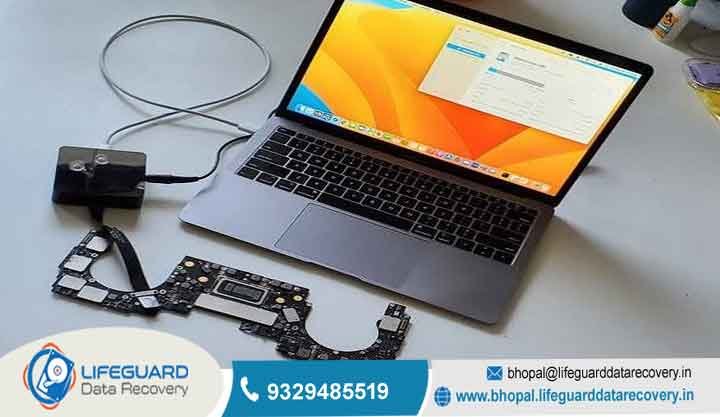
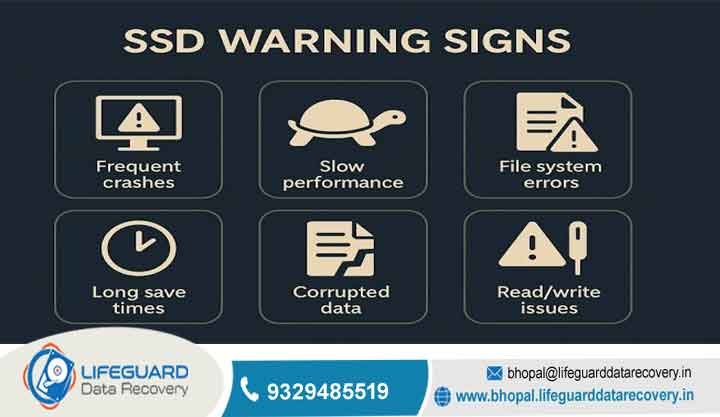
SSD Recovery: Engineers bypass controller failures, electronic short circuits, and localized NAND flash wear-and-tear using advanced chip-off procedures and factory-mode programming.
Enterprise Infrastructure Recovery Services
-
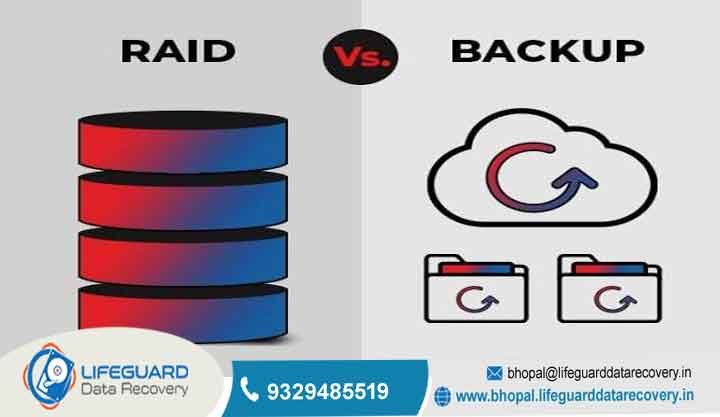
RAID Recovery: Specialists reconstruct broken, misconfigured, or multi-drive degraded RAID configurations across hardware and software controllers without risking parity destruction.
-
Server Recovery: Our team delivers urgent data restoration from enterprise application servers, database instances, and virtualized hosting environments experiencing critical operating system or hardware crashes.
Storage Devices We Recover
Modern commercial operations rely heavily on diverse hardware configurations to maintain data redundancy, physical security records, and edge-computing capabilities. Therefore, our laboratory engineers undergo specialized training to interface with, repair, and extract data from complex storage systems.
Specialized Business Storage Solutions
-
NAS Recovery: Engineers resolve network-attached storage failures caused by network volume corruption, file system expansion errors, or sequential drive drops in multi-bay enclosures.
-
CCTV Recovery: Technicians extract overwritten, deleted, or corrupted surveillance footage from embedded DVR/NVR hard drives and flash media, which remains vital for corporate compliance.
Portable Flash Memory Media Services
-
Corrupted SD Card Recovery: Our team bypasses bad blocks, controller lockouts, and broken contact paths on micro-SD, SDHC, and SDXC media utilized in field devices.
-
Damaged SD Card Extraction: Experts reconstruct cracked, snapped, or water-damaged flash memory devices using direct monolithic pinout soldering techniques.
Common Data Loss Situations and SD Card Corruption Causes
Understanding primary SD card corruption causes helps identify the appropriate recovery intervention. Memory card corruption typically falls into one of three classifications. Each scenario requires distinct lab protocols to avoid permanent data destruction.
1. Logical File System Failures
Logical failures occur when the underlying data structure becomes unreadable, while the physical components remain functional. For example, pulling the media out of a device while a file save operation is mid-cycle frequently triggers this problem. This abrupt interruption disrupts the File Allocation Table (FAT) or Extended File Allocation Table (exFAT) headers. Consequently, the operating system displays a raw file system error or prompts the user to format the disk. Software bugs within the host device’s firmware can also miswrite directory indexes, leading to immediate SD card failure.
2. Physical and Structural Damage
An SD card is inherently fragile. Dropping a device, bending the casing, or exposing the media to extreme heat can cause micro-fractures in the internal circuitry. This extreme heat is especially common during the UAE summer. When a damaged SD card suffers from physical structural compromise, the trace lines break. These lines connect the flash memory chip to the exterior contact pads. As a result, the media fails to register in any card reader. This situation demands microscopic trace repair or a complete chip-off extraction within a dedicated data recovery lab.
3. Electrical and Component Degradation
Flash memory depends on floating-gate transistors that trap electrons to store binary data. Over time, these components undergo natural degradation known as electromigration. Every read/write cycle inflicts minor wear on the cell walls. Eventually, bad sectors develop, leading to widespread memory card corruption. Furthermore, using sub-standard card readers can cause an electrical overstress event. Encountering power fluctuations in a host camera produces the same result. Consequently, this surge fries the controller chip and causes catastrophic SD card failure.
How Our Laboratory Recovery Process Works
Lifeguard Data Recovery utilizes a structured, five-stage methodology. This process ensures the safest possible environment for data extraction while maintaining a forensically clean history of the media.
Initial Evaluation and Diagnostic Phase
First, your storage device receives a unique tracking identifier upon arrival at our Abu Dhabi facility. We place all media within an anti-static protective enclosure. Meanwhile, administrators record all initial metadata, physical traits, and client notes into our secure case management system.
Second, engineers inspect the device under high-powered microscopy. They check for outer shell cracks, damaged interface pins, or short circuits. If the failure is logical, technicians connect the media to write-blocked hardware imagers. This precaution prevents any modification of the raw data during assessment.
Engineering Approval and Data Extraction
Third, we send a comprehensive diagnostic report to the client. This report details the specific SD card corruption causes, the scope of recoverable files, and a fixed-fee quotation. This process operates strictly under our No Data, No Charge framework.
Fourth, engineers carry out physical repairs based on the diagnosis. For corrupted SD cards with controller failure, engineers perform a chip-off procedure. They desolder the NAND wafer or access monolithic test points to read the raw hex data directly from the storage cells.
Fifth, technicians reconstruct the extracted raw data using proprietary algorithms to build a working file system. The client then verifies the recovered file list. Once approved, we load the data onto an encrypted external drive and deliver it securely to the client.
Expected Recovery Timeframes
Data loss events require predictable execution schedules to manage business downtime effectively. Therefore, Lifeguard Data Recovery provides three tiered service levels to align with different corporate urgency requirements across the United Arab Emirates.
Emergency Service (24 to 48 Hours)
Our team dedicates continuous round-the-clock lab operations exclusively to a single case. We recommend this option for active ransomware incidents, down production servers, or critical enterprise database failures.
Priority Service (3 to 5 Business Days)
This option provides accelerated queue placement for time-sensitive commercial files. It also supports urgent legal investigations and active corporate project dependencies.
Standard Service (7 to 10 Business Days)
This is our standard operational queue. It is ideal for non-critical archives, historical backups, and personal media collections facing memory card corruption.
Critical Storage Device Recovery Success Factors
The probability of achieving a complete data extraction from a corrupted SD card depends heavily on user behavior. What you do immediately following the initial failure event dictates success.
Crucial Steps to Safeguard Lost Files
-
Immediate Discontinuation of Use: Continuing to power a device after experiencing an SD card failure drastically lowers recovery chances. Host devices constantly attempt to write system logs, which can permanently overwrite the missing data sectors.
-
Avoidance of Formatting Prompts: When an operating system encounters a damaged SD card, it often suggests a format operation. Accepting this command overwrites structural file tables, turning a straightforward logical recovery into a complex raw carve operation.
Technical Risks to Avoid
-
Absence of DIY Software Interventions: Mass-market recovery software tools often stress unstable flash chips with repetitive read requests. This stress causes overheating and induces total controller lockouts.
-
Physical Integrity of NAND Chips: If a memory card has been physically crushed, the internal silicon NAND die might fracture. Consequently, the data stored within those specific cracked layers becomes physically non-recoverable.
Enterprise Industries We Serve Across the Emirates
Our laboratory configurations accommodate the technical requirements, regulatory frameworks, and compliance standards of several key sectors throughout the UAE.
Financial and Government Data Compliance
-
Banking and Finance: We offer secure processing environments aligned with financial data regulations. This ensures that recovered accounting logs and transactional databases remain completely confidential.
-
Government and Defense: Our team adheres to strict local data sovereignty laws and internal security clearing. Thus, we provide a trusted recovery path for state infrastructure records and administrative systems.
Industrial, Aviation, and Media Sectors
-
Aviation and Aerospace: Engineers recover ruggedized flight logs, telemetry data, and specialized maintenance storage devices that have undergone extreme physical stress or mechanical impacts.
-
Media and Broadcasting: We provide high-throughput data reconstruction for high-resolution 8K video streams, corrupted RED Mini-Mag SSDs, and field-recording micro-SD cards used in active television production.
Enterprise Data Security, Privacy & Compliance Standards
Lifeguard Data Recovery treats data privacy as a fundamental engineering requirement rather than an administrative checklist. For example, our Abu Dhabi laboratory features restricted biometric access controls, isolated networks, and dedicated surveillance monitoring. These measures prevent external data exposure completely.
All procedures comply with local UAE data protection laws and international information security standards. No customer data is ever transferred over public cloud links or external networks. Instead, all imaging, analysis, and rebuilding take place on air-gapped forensic workstations.
Upon the successful secure delivery of data back to an organization, our lab enforces a strict data retention purge window. Technicians completely wipe all temporary working copies from our local storage media using certified overwriting protocols.
Comprehensive UAE Service Coverage
Our dedicated logistics network enables secure chain-of-custody pickup and delivery for critical storage media across all seven Emirates.
Capital and Commercial Hub Logistics
-
Abu Dhabi: We offer full corporate support for downtown businesses, government districts, and industrial operations in Mussafah, Al Ain, and surrounding regions.
-
Dubai: Rapid response couriers service commercial hubs including Dubai Marina, Downtown, JLT, Business Bay, and Dubai Media City.
Northern and Coastal Emirates Support
-
Sharjah & Ajman: We provide dedicated drop-off management and lab access for academic institutions, commercial retail sectors, and manufacturing entities.
-
Northern Emirates (Fujairah, Ras Al Khaimah, Umm Al Quwain): Expedited shipping and emergency on-site evaluation services support maritime logistics, logistics firms, and industrial factories.
Frequently Asked Questions
What is SD Card Corruption?
SD card corruption is a state where a flash memory device becomes unreadable by electronic hosts due to damaged internal file directory structures. Bad sectors or controller firmware issues also cause this problem. For instance, the card may show a RAW file system, display unreadable characters, or cause devices to freeze. Consequently, it prevents standard operating systems from accessing the underlying data layers without specialized forensic tools.
How does a corrupted SD card work during diagnostic failure?
During a diagnostic failure, a corrupted SD card fails to complete its initial handshake protocol with the host controller interface. The card reader attempts to read sector zero to find the master boot record, but runs into unreadable bad blocks. Alternatively, it encounters an unresponsive controller chip. This loops the connection indefinitely or causes the operating system to drop the hardware profile entirely to prevent a system crash.
How long does professional flash memory recovery take?
The timeline for professional flash memory recovery ranges from 24 hours for emergency cases to 10 business days for standard laboratory queues. The exact time depends heavily on whether the root cause is a simple logical file system issue or a complex physical controller failure. Physical problems require microscopic wire bonding. However, once our engineers complete the initial evaluation, they provide a definitive turnaround schedule.
Is data recovery possible after a storage device deletion or formatting?
Yes, data recovery is highly achievable after a deletion or format command. However, the sectors containing the original raw data must not be completely overwritten by new files. Standard formatting typically clears only the root directory allocation indexes, leaving the actual file structures intact. Therefore, immediate isolation of the media is critical to prevent automated host processes from overwriting these orphaned storage sectors.
Can physically damaged memory cards and drives be recovered?
Physically damaged cards and drives can be recovered successfully if the primary silicon NAND flash storage die remains intact. It must not suffer cracked surfaces or deep internal physical punctures. Our lab technicians can reconstruct broken outer casings and repair fractured copper PCB traces under micro-soldering lenses. Additionally, they transplant matching donor controller boards to restore raw communication paths with the flash memory.
What factors affect flash media recovery success rates?
The primary factors governing flash media recovery success are the physical condition of the NAND storage chip, the extent of data overwriting, and the specific failure type of the flash controller. User actions immediately following data loss directly dictate the volume of files that can be fully saved. For example, running destructive consumer utility scans or continuing to capture photos on the card will lower success rates.
How much does professional data recovery cost in the UAE?
The investment required for professional data recovery in the UAE varies based on the specific equipment, cleanroom time, and engineering skills needed to resolve the issue. Simple logical file extractions represent the baseline. In contrast, physical failures demanding micro-soldering or donor parts require specialized engineering hours. Lifeguard Data Recovery provides an exact, fixed price quote after completing a free diagnostic evaluation of your media.
Why should businesses avoid using free online data recovery software?
Free online recovery utilities often cause permanent data loss by aggressively writing temporary files back onto the unstable source media during installation or operation. Furthermore, consumer software lacks the nuanced error handling required to manage unstable media. As a result, these utilities often cause degraded flash microcontrollers to lock up permanently under continuous read stress.
What is a chip-off recovery procedure for flash media?
A chip-off recovery procedure involves physically desoldering the flash memory NAND chip from the broken circuit board using specialized precision rework stations. Once isolated, the chip is placed into an independent hardware reader. This reader reads the raw hex sectors directly from the storage cells. Consequently, this method completely bypasses a broken or fried controller chip.
Can data be recovered from an SD card that shows zero bytes capacity?
A zero bytes capacity read indicates that the host computer recognizes the physical connection of the interface controller, but the controller cannot communicate with the underlying flash memory array. This represents a classic hardware or firmware lock scenario. Therefore, it requires professional hardware-level programmers to force the device into advanced engineering modes to access the hidden data blocks.
Technical Evaluation: Professional Lab Recovery vs. DIY / Software
When an enterprise faces an explicit data loss event involving memory card corruption, choosing the wrong diagnostic step can result in irreversible data loss. The table below outlines the core differences between professional lab recovery, generic recovery software, and unverified DIY methods.
| Operational Vector | Professional Lab Recovery (Lifeguard) | Mass-Market Recovery Software | Unverified DIY Methods |
| Physical Hardware Safety | Maximum: Media is write-blocked and mirrored using dedicated hardware imagers before any processing. | Low: Software stresses unstable storage chips with uncontrolled read loops, risking hardware failure. | Dangerous: Untrained physical handling can cause permanent damage to delicate silicon structures. |
| Monolithic & Chip-Off Support | Full Capability: Engineers can desolder chips and read raw hex data directly from memory cells. | None: Completely unable to interface with devices suffering from hardware or controller failure. | None: Lacks the micro-soldering equipment and technical knowledge required for physical work. |
| Handling of Bad Storage Sectors | Advanced hardware controllers isolate bad blocks and adjust read timeouts to prevent media crashes. | Poor: Standard operating system drivers freeze or disconnect when encountering severe sector damage. | Destructive: Repeatedly power-cycling a failing card worsens underlying sector corruption. |
| Data Integrity & Chain of Custody | Maintained: Procedures align with digital forensics standards, keeping data safe for legal use. | Variable: Consumer tools often write temporary data to the source drive, altering original timestamps. | Violated: Uncontrolled file access destroys metadata integrity and breaks forensic traceability. |
Case Study: Urgent CCTV Data Restoration for a Maritime Firm in Abu Dhabi
The Data Loss Problem and Urgency
An enterprise maritime logistics provider based at Khalifa Port in Abu Dhabi experienced a major security incident. When executive leadership went to retrieve the corresponding surveillance records, they discovered a severe problem. The primary high-capacity industrial SD card inside the edge-recording CCTV camera had suffered a catastrophic failure. This issue rendered the storage volume raw and unreadable.
Local regulatory compliance rules and active legal investigations demanded the unconditional delivery of the footage within 72 hours. Standard IT utility scripts had failed to mount the file system. Consequently, this failure caused concerns that the critical incident files were permanently lost.
The Laboratory Recovery Process
The media was rushed to the Lifeguard Data Recovery lab in Abu Dhabi under strict chain-of-custody protocols. Initial microscopic analysis revealed that an internal voltage surge had fried the flash memory controller chip. This surge completely blocked the standard interface lines.
Our engineers performed a chip-off procedure, carefully desoldering the monolithic NAND wafer from the PCB framework. Using specialized hardware programmers, technicians extracted the raw hex dump directly from the underlying flash cells. Afterward, engineers reverse-engineered the proprietary CCTV file structure layout, repairing broken video container fragments file by file.
Recovery Results and Client Outcome
The engineering team successfully reconstructed 100% of the lost video streams. This process remained completely unaffected by the physical controller failure.
Technicians transferred the restored video files to an encrypted drive. Then, we delivered the data to the maritime firm within 36 hours of receipt. This rapid turnaround allowed the client to meet their regulatory requirements on time. Furthermore, it provided verifiable evidence for their legal case.
Expert Insights on Preventing Memory Card Corruption
Preventing long-term memory card corruption requires sticking to solid hardware habits. These practices protect flash storage components from logical and electrical stress.
-
Enforce Safe Ejection Rules: Always use the safely remove hardware command within your operating system before physically pulling an SD card out of a slot. This ensures that all cached write commands are finished and locks the file allocation indexes correctly.
-
Replace Aging Flash Media Early: NAND flash memory cells have finite lifespans determined by their write cycles. Therefore, avoid using the same memory card for years in high-intensity applications like security cameras or continuous field recording. Implement a scheduled replacement policy to swap out media before cell exhaustion sets in.
-
Invest in Industrial-Grade Media: For critical business operations, choose cards built with Single-Level Cell (SLC) or Multi-Level Cell (MLC) flash memory rather than cheaper Triple-Level Cell (TLC) options. Industrial-grade memory features far better error-correcting code algorithms and handles voltage fluctuations safely.
-
Format Media Exclusively Within the Target Host Device: Avoid formatting memory cards across multiple different operating systems. If a card is going to be used in a specific brand of DSLR camera or industrial sensor, format the storage array directly within that specific hardware’s system menu to ensure perfect directory alignment.
Why Lifeguard Data Recovery is a Trusted Provider in the UAE
Lifeguard Data Recovery stands as a dependable data restoration provider in the United Arab Emirates by consistently combining specialized engineering knowledge with enterprise-grade security protocols. We understand that data loss is more than a technical hitch. Instead, it represents a critical business risk that can disrupt daily operations and affect compliance standing.
By maintaining advanced diagnostic equipment, cleanroom setups, and micro-soldering workstations within the UAE, we ensure your storage media never leaves the country. Consequently, this localized approach keeps your data secure and processing turnarounds fast. Backed by our strict no data, no charge guarantee and absolute dedication to client confidentiality, we provide UAE businesses with a reliable, risk-free path to recovering their critical digital assets when things go wrong.
If your business is currently dealing with an unreadable storage device, an unexpected system failure, or a complex ransomware emergency, reach out to our diagnostic team immediately to secure your files.
Call Urgent Support: +971 50 127 6793