+971 50 217 6793 Abu Dhabi, UAE info@lifeguarddatarecovery.com
How long does hard drive recovery take?
Hard drive recovery typically takes between 2 to 5 business days for standard cases, depending on the drive capacity and the type of damage. For critical emergencies, professional turnaround times can be accelerated to under 24 to 48 hours using emergency lab protocols, while complex mechanical issues requiring cleanroom part replacements may extend up to 5 to 7 business days.
Understanding the Hard Drive Recovery Timeline
This timeline addresses the total operational hours required by professional engineers to securely diagnose, stabilize, clone, extract, and verify files from a compromised storage medium. Therefore, the duration represents a precise engineering workflow rather than a simple automated software execution scan.
When a business or individual experiences file loss, the primary concern is the timeline for restoration. However, the phrase represents the engineering duration required to address specific physical or mechanical faults. It is not just about copying files but involves rebuilding corrupted firmware, replacing damaged internal components like read and write heads, and working through damaged sectors on magnetic platters. For this reason, reputable firms break this timeline down into distinct diagnostic and recovery windows to keep corporate clients fully informed.
For instance, a finance firm in Abu Dhabi might experience a sudden system drive crash on a production server. Consequently, the time required involves safely delivering the media to our laboratory, undergoing an initial microscopic analysis, and executing sector-by-sector cloning to ensure no original files are modified.
In addition, Lifeguard Data Recovery uses a completely transparent scheduling framework. Our facility maintains a deep inventory of matching donor drives locally, which allows our engineering team to begin component swaps immediately without waiting for international parts shipping.
How the Recovery Process Affects the Timeline
The recovery timeline operates as a structured progression of distinct laboratory phases, where each phase is dictated by the physical state of the storage media. The timeline progresses through initial evaluation, physical stabilization within a cleanroom environment, raw sector cloning, and final file structure parsing.
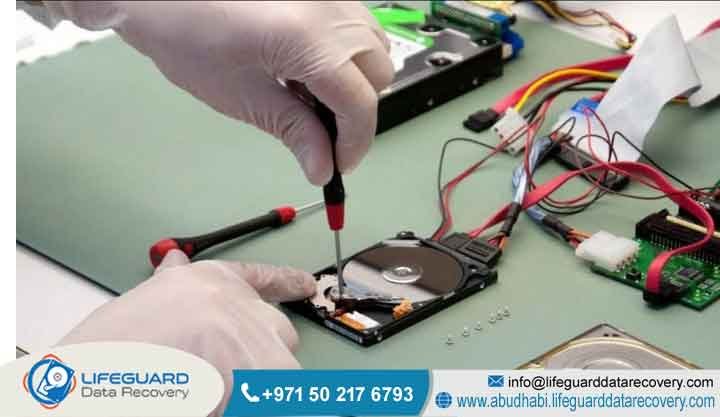
The overall timeline is governed by technical variables rather than raw file volume size. For example, a mechanical drive that is physically clicking must have its head assembly replaced inside an ISO-certified cleanroom before any extraction can begin. This physical work naturally adds time to the process. Once the drive is stable, specialized hardware tools are used to clone the sectors. Furthermore, if the surface of the magnetic platter is degraded, the hardware imager must read the sectors at reduced speeds to prevent total head destruction, which extends the duration.
To illustrate, consider a media company in Dubai that drops an external storage device containing vital video files. The workflow begins with a four-hour emergency evaluation. Next, the head replacement takes a few hours, followed by a twenty-four-hour continuous cloning operation to extract every readable sector safely.
Our laboratory is equipped with advanced industrial systems such as DeepSpar Disk Imagers and PC-3000 flash extraction suites. These tools give our certified specialists precise control over read times, allowing us to safely maximize retrieval percentages while minimizing the total time spent.
Common Causes of Storage Failure
Storage failures typically originate from sudden physical impacts, electronic voltage power surges, accidental file deletions, or malicious ransomware deployments. Identifying these causes immediately helps engineers predict the overall processing timeline and determine the safest path for file extraction.
Hard drives operate with extreme mechanical precision, where internal heads hover fractions of a micrometer above platters spinning at thousands of revolutions per minute. Therefore, a minor physical shock can cause a head crash, resulting in physical scratches on the magnetic layer. Similarly, electronic failure happens when power fluctuations burn the external printed circuit board, requiring micro-soldering work. Logical issues involve accidental formatting or partition loss where the drive remains healthy but the file index is destroyed.
For example, an administrative workstation in Sharjah might suffer an unexpected power outage during a system update. This event can corrupt the master file table, which consequently requires logical reconstruction to safely restore access to client files.
Fortunately, our team has over fifteen years of specialized experience handling complex recovery cases across the United Arab Emirates. This deep familiarity with various failure modes allows us to quickly diagnose the root cause and avoid wasted diagnostic time.
Professional Recovery Services in the UAE
Lifeguard Data Recovery offers comprehensive, professional extraction options across the United Arab Emirates, specializing in mechanical drives, solid-state media, corporate server networks, network-attached storage devices, and closed-circuit television forensic investigations.
We provide a full spectrum of advanced retrieval services designed for corporate and enterprise clients. Specifically, our lab handles complex storage architectures that standard IT departments cannot access. Whether a business faces a logical deletion or a total mechanical collapse, our certified engineers use non-destructive methods to preserve the original media state while working to extract the maximum amount of files.
For instance, a retail corporate headquarters based in Ajman might require urgent extraction from an encrypted backup system that has suddenly dropped offline. Our team handles the entire process within our secure lab facility to ensure strict compliance with regional data privacy standards.
Moreover, we stand firmly behind our performance with a clear No Recovery, No Service Fee policy. This means our corporate clients face no financial exposure if their critical files prove to be physically unrecoverable due to catastrophic media damage.
Storage Devices and Media We Support
Our specialized laboratory engineers extract files from a vast range of storage hardware, including traditional mechanical hard disk drives, modern solid-state drives, enterprise server racks, multi-disk arrays, and embedded portable media cards.
We support all primary hardware manufacturers, operating system platforms, and storage interfaces. This broad compatibility includes legacy enterprise architectures like SAS and SCSI drives, as well as modern consumer setups using NVMe, SATA, and PCIe solid-state configurations. In addition, our engineers are fully trained to work with encrypted volumes and proprietary file systems utilized by high-end corporate applications.
To illustrate, a technology company operating in Ras Al Khaimah might send us a damaged laptop with a soldered solid-state drive. On the other hand, a shipping logistics firm in Fujairah might deliver a traditional enterprise mechanical hard drive from an older mainframe system. Both cases receive dedicated hardware-level treatment.
Consequently, our facility maintains a secure, access-controlled environment to safeguard all physical media assets. Every device delivered to our laboratory is logged into an internal tracking system to ensure a strict chain of custody throughout the entire processing window.
The Step-by-Step Recovery Process
Attempting to read files directly from a damaged drive can lead to permanent loss. Therefore, our engineering process requires creating a perfect sector clone onto a separate storage drive before any parsing occurs. In mechanical cases, this means internal parts are substituted inside our cleanroom to achieve a stable read state. Once the clone is complete, file signatures are analyzed to rebuild the missing directory trees and validate file integrity.
Estimated Turnaround Times by Case Complexity
Standard laboratory extraction takes between 2 to 5 business days from the moment the initial diagnostic window concludes. Simple logical file deletions can often be processed within 24 to 48 hours, whereas severe physical head crashes or broken solid-state controllers require more extensive physical intervention, taking up to 7 business days.
The question of duration depends greatly on the structural integrity of the media. If a drive contains bad sectors, the extraction hardware must carefully manage the voltage and read speed for each sector. As a result, this slow approach prevents the drive heads from overheating or scratching the platter surface. While large storage capacities take longer to read, the mechanical stability of the drive is always the primary factor dictating the overall time requirement.
For instance, a 1TB mechanical hard drive with a healthy read head assembly but a corrupted file system can be fully parsed in under 24 hours. Conversely, an identical 1TB drive that has suffered a drop and requires an internal component transplant might require 4 business days to stabilize and clone completely.
Furthermore, we understand that business downtime is incredibly costly for corporate entities. Because of this, we offer an expedited priority service option where engineers work around the clock to finish critical server or storage restorations as quickly as possible.
Recovery Cost and Service Fee Structure
Professional extraction costs are determined entirely by the complexity of the failure, the type of storage media, and the specific engineering labor required. Every case receives a transparent upfront quote following evaluation, and our service fee applies only if the required files are successfully retrieved.
It is important to note that extraction services cannot be accurately priced by data volume alone. Rebuilding a mechanical drive assembly requires the same amount of cleanroom time and precision labor whether the drive contains 10 gigabytes or 10 terabytes of files. Therefore, true professional labs provide pricing tiers based on the failure category, distinguishing between simple logical issues, electronic component damage, and severe mechanical head crashes.
For example, a business enterprise in Abu Dhabi can request a free initial evaluation for a failing hard drive. Consequently, our laboratory will analyze the media and provide a formal, fixed-price quote detailing the failure complexity and the exact steps needed to complete the extraction safely.
In addition, our fixed pricing policy ensures that once a quote is approved by your corporate procurement team, that price remains completely locked. We never add unexpected lab fees, cleanroom surcharges, or hidden costs after the extraction process has started.
Why Businesses Trust Lifeguard Data Recovery
Corporate entities across the United Arab Emirates partner with Lifeguard Data Recovery due to our certified cleanroom infrastructure, our proven engineering expertise, our strict privacy policies, and our risk-free business model.
We provide enterprise-grade storage solutions that focus on safety and reliability. Specifically, our engineering team understands the critical nature of corporate protection laws and maintains absolute confidentiality across every case. By removing financial risk through our transparent validation process, businesses can confidently initiate recovery procedures knowing they only pay for successful results.
To illustrate, major financial institutions, government ministries, and industrial enterprises based in Abu Dhabi rely on our specialized services to handle their most sensitive storage failures during high-pressure situations.
As a result, our facility operates under strict security guidelines, ensuring that client information is stored on completely isolated, secure local servers during the extraction and verification phases.
Industries We Serve Across the UAE
Our professional extraction services support a wide variety of sectors across the Middle East economy, including corporate banking institutions, government offices, energy providers, healthcare facilities, and logistics firms.
Different industries face unique regulatory and operational storage challenges. Financial systems require secure forensic paths, while healthcare systems demand absolute client privacy. Therefore, our engineers are highly familiar with these sector-specific requirements and provide tailored recovery approaches that align with corporate compliance mandates and international security standards.
For instance, we help oil and gas engineering firms in Abu Dhabi restore critical geological data from field drives, and we assist aviation logistics corporations in Dubai in recovering operational supply chain databases from failed server nodes.
Consequently, our team is fully equipped to handle high-capacity enterprise storage architectures, giving businesses in every sector a reliable path to recover from unexpected infrastructure failures.
Our Service Coverage Across the Seven Emirates
Lifeguard Data Recovery offers comprehensive coverage across all seven emirates of the United Arab Emirates, providing rapid logistics and secure transport options to bring failed storage media directly to our central lab.
To minimize operational delays for businesses outside the capital, we maintain an efficient logistics network that covers the entire country. Whether your enterprise is located in a major urban business center or a remote industrial zone, our secure courier services ensure that compromised storage media is transported quickly and safely to our specialized lab environment.
For example, we provide fast collection pickup options for corporate offices in Dubai and Sharjah, as well as regular secure transit routing for industrial clients located in Ajman, Ras Al Khaimah, Fujairah, and Umm Al Quwain.
Because of this, every shipment handled by our courier network is fully tracked and signed for at every transit point, ensuring complete visibility and physical asset security from your office door to our diagnostic workbench.
Case Study: Server Storage Restoration in Abu Dhabi
The Problem
A prominent logistics company operating in the industrial port area of Abu Dhabi suffered a sudden crash on their main file server array. The system became completely unbootable, halting their real-time tracking applications and threatening to disrupt daily supply chain operations.
Root Cause
An unexpected failure in the server room backup power supply caused an abrupt electrical shutdown. This power surge damaged the read head assembly of a primary mechanical drive and corrupted the file allocation table across the remaining disks in the storage pool.
Recovery Steps
First, the compromised hard drives were carefully uninstalled by our technical team and brought to our Abu Dhabi cleanroom lab. Next, engineers performed an internal head assembly transplant on the physically damaged drive to stabilize its operation. Then, our hardware systems created bit-by-bit clones of all the drives in the server group. Finally, our specialists analyzed the metadata structure to reconstruct the lost file paths and extract the primary logistics database.
Outcome & Business Impact
Our engineering team achieved a successful extraction rate of over 98 percent of the critical business files, completely restoring the tracking system database within 48 hours of receiving the hardware. The logistics firm successfully avoided a prolonged operational shutdown, preserved their historical tracking records, and resumed normal port delivery workflows without losing important client shipment details.
Expert Tips for Storage Emergencies
Critical Safety Rule: Never open the physical metal cover of a hard drive outside of a certified cleanroom environment. Exposing internal platters to standard room air allows millions of microscopic dust particles to settle on the surface, causing permanent head crashes the next time the drive is powered up.
-
Cut Power Immediately: If a drive makes unusual clicking sounds, displays electronic errors, or is dropped, turn off the system power completely. Do not perform warm reboots.
-
Avoid DIY Software on Damaged Hardware: Software tools are meant for physically healthy drives. Running recovery scans on a physically failing drive will rapidly accelerate internal mechanical damage.
-
Keep the Original Drive State Clean: Do not install new applications, run updates, or move files on a system where file loss has just been discovered.
-
Document the Incident Details: Note down any error messages displayed on screen, along with the precise sequence of events leading up to the unexpected failure.
Frequently Asked Questions
What is professional device recovery in Abu Dhabi?
Professional recovery refers to the specialized, laboratory-based extraction services provided by Lifeguard Data Recovery to retrieve unreadable files from failed storage devices within the capital and surrounding emirates. Our facility handles physical, electronic, and logical failures using cleanroom environments and advanced hardware imagers.
How does RAID array reconstruction work?
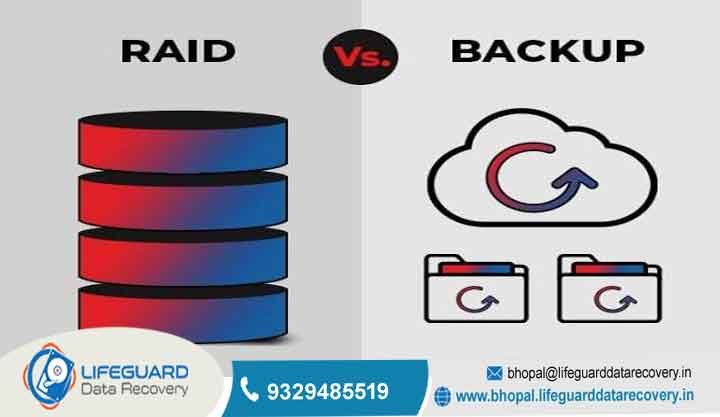
RAID reconstruction works by first stabilizing and cloning each individual drive within the multi-disk storage array. Once perfect sector copies are obtained, our engineers manually analyze the data striping patterns, parity configurations, and disk sequencing to reconstruct the virtual volume without using the original server controller hardware.
Can deleted files be recovered?
Yes, deleted files can generally be recovered as long as the underlying storage sectors have not been overwritten by new incoming data. When a file is deleted, the operating system simply removes its index entry and marks the space as available, meaning the file data remains intact until new files are saved.
Can damaged hard drives be repaired?
Damaged hard drives cannot be permanently repaired for long-term usage, but they can be temporarily stabilized in a laboratory environment to allow for file extraction. Physical components like read heads or printed circuit boards are swapped inside a cleanroom solely to make the drive functional enough to clone.
How much does professional device recovery cost in the UAE?
The cost varies based on the specific failure type, parts requirements, and laboratory engineering hours needed. Logical recoveries are typically less complex, while physical head crashes requiring cleanroom surgery involve higher labor and component requirements. Every case receives an exact quote after evaluation.
How long does the extraction process take?
Standard hard drive recovery typically takes between 2 to 5 business days to complete successfully. Simple logical file extractions can often be finished within 24 to 48 hours, while severe mechanical faults that require component transplants or specialized firmware repair can take up to 7 business days in our laboratory.
Can SSD data be recovered?
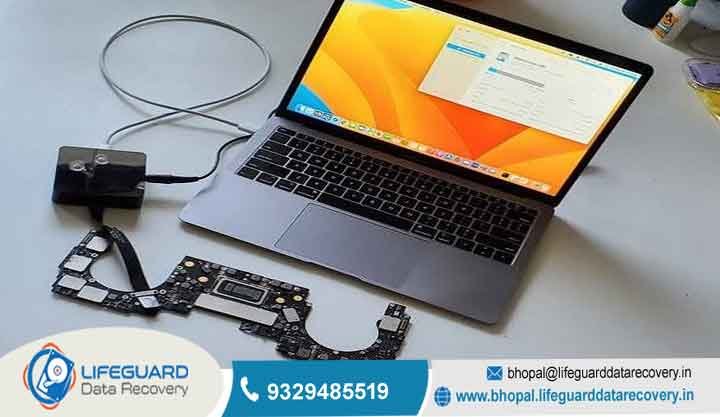
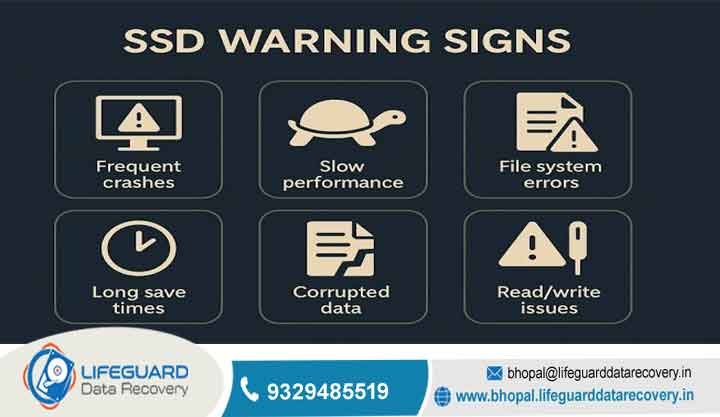
Yes, data can be recovered from solid-state drives, though the process is technically complex due to controller encryption and wear-leveling algorithms. If an SSD suffers an electronic failure, our engineers can perform board-level micro-soldering or bypass the controller to read the NAND flash chips directly.
Can RAID systems be recovered?
Yes, professional specialists can successfully reconstruct and recover data from failed RAID systems, including RAID 0, RAID 1, RAID 5, RAID 6, and RAID 10 configurations. Our team can rebuild data from arrays that have suffered multiple drive failures, controller malfunctions, or accidental configuration formats.
What should I do after experiencing file loss?
Immediately turn off power to the affected device and disconnect it from any electrical source. Do not restart the system, do not download or install any file recovery software, and avoid opening the physical drive casing. Contact a certified data recovery laboratory to arrange for a safe diagnostic evaluation.
Who offers professional recovery in the UAE?
Lifeguard Data Recovery offers professional, laboratory-grade data extraction services across the United Arab Emirates from our specialized facility. We provide certified cleanroom operations, advanced diagnostic systems, and a risk-free No Recovery, No Service Fee policy for businesses and individual clients nationwide.
What makes a company the best option for recovery in Abu Dhabi?
A leading provider features advanced laboratory infrastructure, a highly experienced engineering team, and high success rates. We offer 24/7 emergency response capabilities and clear, transparent service guarantees for all corporate and enterprise clients.
How much does hard drive recovery cost?
Hard drive recovery pricing is completely independent of data file size and is determined solely by the mechanical, physical, or logical complexity of the failure. Our laboratory provides a clear fixed-price quote after completing a detailed initial diagnostic assessment of your storage media.
Can I recover deleted files from an SSD?
Recovery of deleted files from an SSD is highly time-sensitive due to the automated TRIM command used by modern solid-state drives to clear deleted space. To maximize the chances of a successful extraction, the drive must be powered down immediately to prevent the background cleanup process from running.
How long does RAID recovery take?
Standard corporate RAID recovery cases are typically resolved within 2 to 5 business days. For urgent situations where business operations are disrupted, our emergency protocol operates continuously to stabilize the drives, rebuild the array configurations, and return your critical files within 24 to 48 hours.
Is recovery possible after formatting?
Yes, recovery is highly possible after a standard or quick format command has been executed, provided that no new files have been written to the drive. A quick format simply clears the file index structure, leaving the actual file blocks intact and retrievable by professional parsing tools.
Contact Lifeguard Data Recovery Abu Dhabi
If your business is experiencing a critical storage failure or an unexpected file loss event, do not take unnecessary risks with your valuable corporate records. Contact our engineering team to secure a professional, risk-free laboratory diagnostic evaluation today.
-
Call Emergency Helpline: +971 50 127 6793
-
Email Corporate Desk: info@lifeguarddatarecovery.com
-
Web Portal: www.abudhabi.lifeguarddatarecovery.com
-
Main Facility Location: Abu Dhabi, United Arab Emirates