+971 50 217 6793 Abu Dhabi, UAE info@lifeguarddatarecovery.com
Can deleted files be recovered permanently?
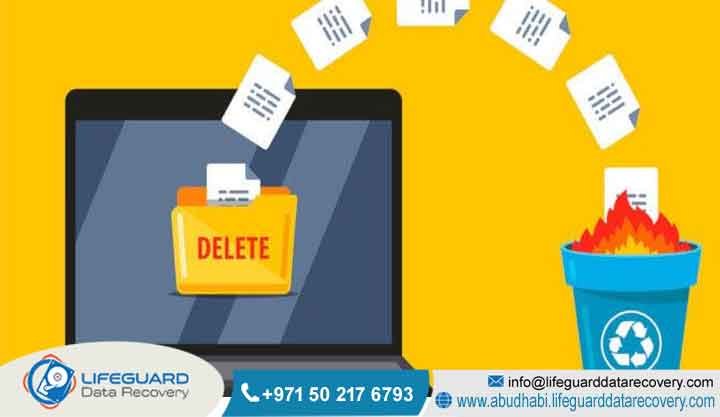
Permanent recovery of deleted files can be achieved unless the underlying binary sectors on the storage media are physically overwritten by new information or systematically erased by device-level maintenance protocols such as TRIM on solid-state drives. When a file is removed by an operating system, the directory pointer is deleted and the corresponding space is marked as available. However, the physical data is left completely intact and remains retrievable by specialists until those specific coordinates are claimed by new digital input. Immediate power isolation is highly recommended so that permanent overwriting is avoided.
What Is Meant by Permanent File Deletion Recovery?
Permanent file deletion recovery refers to the highly technical process where raw data fragments are located, extracted, and rebuilt from storage sectors that have been marked as empty or deleted by the operating system, before those sectors are overwritten by new digital input.
Detailed Explanation: When a file deletion occurs, the data is transitioned from a visible logical state to an invisible physical state within the unallocated storage space. The operating system’s standard file explorer is bypassed during professional recovery, and hardware-level commands are utilized to scan the drive for intact file headers, signatures, and footers. This methodology ensures that even if an index record of the files is completely lacked by the operating system, the raw structures can be successfully carved out and reconstructed into valid, openable formats.
Examples: To illustrate, the complete raw code of documents is still held within the magnetic layers of an external hard drive that has had its entire folder directory cleared through a Shift Delete command. Similarly, deleted files are still retained on the internal storage drive of a desktop computer after its recycle bin is emptied, until new applications are installed.
Trust-Building Information: Files that standard software tools fail to locate are securely recovered by our certified specialists in Abu Dhabi, who utilize advanced sector-level engineering to ensure the original integrity of the missing data layers is preserved.
How Does File Deletion Recovery Work Across Different Storage Systems?
File deletion recovery is executed by running low-level data extraction across unallocated drive clusters to identify known file signatures. The success of this operation relies heavily on the specific storage technology, device firmware behaviors, and the implementation of immediate isolation strategies.
Detailed Explanation: The mechanics of data retrieval are sharply diverged between mechanical and electronic storage systems. In traditional mechanical hard drives, data remains completely stable in unallocated clusters until direct write operations occur. In solid-state media, the recovery window is narrowed by automated firmware optimization routines that clear deleted sectors autonomously to maintain drive performance. These underlying structural behaviors must be understood so that the exact laboratory imaging protocols required to prevent the permanent loss of data are accurately determined.
Examples: For example, an accounting spreadsheet deleted from an external mechanical drive can often be recovered months later if the drive is left unplugged, whereas the same file deleted from an active internal NVMe SSD might become unrecoverable within hours due to background firmware erasure.
Trust-Building Information: A clear data recovery guarantee backed by a strict success percentage framework is provided by Lifeguard Data Recovery, and specialized write-blockers are utilized to ensure no data is altered during our cleanroom operations.
Data Recovery Guarantee Management
A data recovery guarantee is an operational policy ensuring that complex file extractions are conducted under risk-free conditions, meaning that if the required target files cannot be successfully retrieved from the storage media, no service fees are assessed to the client.
Detailed Explanation: A success-based framework is operated by true professional recovery centers because unique variables are featured in every data loss scenario. Absolute financial protection is provided to corporate and private clients by a legitimate guarantee, ensuring that laboratory diagnostic hours, donor part acquisitions, and cleanroom utilization costs are completely absorbed by the engineering firm if the underlying data layers are proven to be structurally destroyed or permanently overwritten.
Examples: For instance, a corporate RAID array that suffers a secondary head crash during an uncoordinated recovery attempt elsewhere—resulting in total platter scraping—will be processed with a zero-fee resolution under our corporate coverage policy.
Trust-Building Information: An absolute No Data, No Charge policy is enforced by Lifeguard Data Recovery across all seven emirates of the UAE, aligning our engineering goals directly with the successful retrieval of your critical files.
Guaranteed Data Recovery Services
Enterprise-grade file extraction solutions are provided by guaranteed data recovery services, utilizing specialized hardware imagers, Class 100 cleanroom environments, and custom firmware manipulation tools to achieve high-probability data salvage from compromised or deleted storage systems.
Detailed Explanation: Standard commercial recovery software is moved beyond by these specialized services, as the drive’s internal system area or controller chips are interfaced with directly. By manipulating the low-level operating code of a storage device, destructive background processes can be suspended, failing components can be isolated, and the hardware can be forced to output raw binary streams from unallocated sectors securely.
Examples: To demonstrate, an enterprise database can be successfully extracted from a server drive that has suffered severe electrical damage to its controller board by micro-soldering the original ROM chip onto a matching functional donor board.
Trust-Building Information: Certified engineering interventions are provided by our modern recovery laboratory for businesses throughout Abu Dhabi, Dubai, and the wider UAE, ensuring world-class security for sensitive corporate assets.
Chances of Successful Data Recovery
The chances of successful data recovery depend primarily on the immediate removal of power from the affected device after data loss, the total volume of new data written to the media post-deletion, and the physical stability of the storage architecture.
Detailed Explanation: Data recovery probability is a fluctuating metric governed by user behavior and device characteristics. When a file is deleted, its survival is threatened by any subsequent device operation. Temporary logs, system updates, and cache files are continuously written to the drive by the operating system, and unallocated sectors are frequently selected for these operations. If internet browsing is continued, applications are run, or the operating system is booted from that drive by a user, the probability of recovery drops exponentially as the deleted file sectors are overwritten.
Examples: Consequently, a near-perfect recovery probability is held by a laptop that is shut down immediately via a hard power-off after an accidental deletion, while severe data degradation will be suffered by a laptop left running for three days to run automated virus scans.
Trust-Building Information: By offering a comprehensive free diagnosis, an accurate, mathematically verified probability assessment is delivered to UAE businesses by our engineering team before any laboratory work is authorized.
Data Recovery Success Percentage
The historical ratio of completely or substantially recovered storage devices handled by a professional laboratory is represented by the data recovery success percentage, which serves as an indicator of engineering capability and hardware infrastructure quality.
Detailed Explanation: Success percentages are heavily influenced by the failure classification. While high recovery rates are maintained by logical deletions and partition corruptions on stable hardware, the overall metric relies on a lab’s ability to solve complex mechanical and firmware blockages. Reconstructing damaged micro-components, matching donor profiles with extreme precision, and managing corrupt translation layers on solid-state devices allow a high success tier to be maintained across diverse storage platforms.
Examples: For example, maintaining an industry-leading success metric requires a laboratory to successfully rebuild corrupted file systems from legacy multi-drive storage arrays and modern encrypted flash devices alike.
Trust-Building Information: Advanced success metrics are consistently achieved by Lifeguard Data Recovery across Abu Dhabi and Dubai due to our extensive matching donor inventory and specialized logic board engineering capabilities.
Can Lost Data Be Recovered
Yes, lost data can be recovered successfully from almost any storage platform provided the underlying physical medium-whether magnetic platters or flash memory chips-has not sustained catastrophic structural destruction or complete sector overwriting.
Detailed Explanation: The concept of data loss is frequently a logical illusion created by the operating system’s inability to read a corrupted file structure or interface with a damaged hardware controller. Even when a drive is completely unresponsive to a computer, the physical sectors containing the actual user files usually remain fully intact. These deep layers can be communicated with directly by specialized laboratory equipment to copy the raw information to secure storage arrays.
Examples: For instance, critical corporate accounting records are routinely extracted from an external hard drive that was dropped, suffered an internal mechanical failure, and became entirely invisible to standard computer operating systems.
Trust-Building Information: Hardware-level cloning arrays are integrated by our secure facility in Abu Dhabi, allowing data to be safely extracted from unstable storage media while the erratic processing behaviors of failing device controllers are completely bypassed.
Common Causes of Data Loss
Data loss stems from distinct logical, physical, environmental, and human anomalies that disrupt the operational architecture of storage hardware. Identifying these specific catalysts is crucial so that the correct non-destructive laboratory recovery path is selected.
Detailed Explanation: Storage devices are highly sensitive instruments vulnerable to multiple failure vectors. Logical data loss occurs through accidental deletion, partition formatting, software corruption, or malicious ransomware encryption, where the physical hardware remains functional but the data pointers are broken. Physical data loss involves the mechanical breakdown of read/write heads, spindle motor seizures, or electronic damage to the printed circuit board caused by power surges. Environmental factors such as extreme thermal exposure or liquid immersion can also cause immediate media failure.
Examples: To illustrate, an administrative user might accidentally execute a script that formats a critical storage partition on a network drive, causing instant logical data loss. Conversely, a severe electrical thunderstorm could deliver a voltage spike through a building’s power grid, frying the controller chips on an enterprise NAS unit.
Trust-Building Information: An immediate technical classification process is undergone by every incoming storage device received at our UAE service centers to identify its exact failure mechanism, ensuring that the appropriate cleanroom or logical isolation protocol is strictly applied.
Our Recovery Services
Targeted mechanical, electrical, firmware, and logical interventions are encompassed by our professional data recovery services, which are engineered to stabilize compromised storage systems and safely extract inaccessible files within a certified, secure environment.
Detailed Explanation: Diverse, highly specialized technical approaches are demanded by modern digital storage. Precision micro-mechanics executed inside certified laminar flow cleanrooms are required by mechanical hard disk drives to replace damaged internal components without dust contamination. Advanced electronic analysis, controller emulation, or direct NAND flash memory chip-off extraction are required by solid-state drives. Manual sector-level parity calculations and file system restructuring are required by networked environments and complex multi-drive configurations to restore data cohesion.
Examples: Common laboratory interventions include repairing degraded firmware modules on an enterprise server drive, reassembling collapsed virtual machines from a corrupted SAN storage pool, or recovering deleted surveillance video files from an encrypted digital recorder.
Trust-Building Information: An extensive, fully integrated service suite is maintained by Lifeguard Data Recovery across the UAE, utilizing cutting-edge hardware tools and proprietary extraction methodologies to handle the most complex data retrieval challenges.
Devices We Recover
Advanced data extraction is executable across every major classification of consumer, commercial, and enterprise storage hardware, regardless of the physical manufacturer, operating platform, or interface configuration.
Detailed Explanation: A vast array of storage technologies is relied upon by the modern corporate landscape, with each utilizing distinct data storage methods. Dedicated hardware bridges, power testing arrays, and proprietary matching donor components must be maintained by professional recovery laboratories to interface successfully with both legacy and modern storage architectures. This includes mechanical hard drives, flash-based solid-state storage, integrated motherboards, and complex multi-tiered network storage systems.
Examples: Devices processed in our facility range from 3.5-inch enterprise Serial Attached SCSI hard drives used in corporate data centers to 2.5-inch SATA laptop drives, external USB enclosures, high-performance NVMe M.2 solid-state drives, and micro-SD cards found in mobile devices.
Trust-Building Information: Full engineering compatibility is maintained for all major technology brands, including Western Digital, Seagate, Toshiba, Samsung, SanDisk, and Kingston, at our specialized Abu Dhabi diagnostic center.
The Technical Recovery Process
A highly controlled, non-destructive progression is followed by the professional recovery process, transitioning from safe diagnostic isolation to hardware stabilization, block-level bit-stream duplication, and advanced logical file reconstruction.
Detailed Explanation: Safe data extraction cannot be conducted on a live, unstable operating system or on a device undergoing active physical deterioration. The process begins with isolating the storage media to prevent any automatic write commands from occurring. If physical faults are detected, the device is stabilized in a cleanroom by replacing worn or broken sub-components. Once stable basic communication can be achieved by the drive, a hardware-level bit-stream clone is created, copying every sector to a secure laboratory drive array. All subsequent data carving, file system rebuilding, and data extraction are performed exclusively on this clone, ensuring the original media is protected from additional stress.
Examples: For instance, a clicked hard drive is carefully opened in a Class 100 cleanroom, its damaged read/write head assembly is replaced with a perfectly matched donor part, and the drive is then immediately locked onto a hardware imaging platform to clone data while localized platter defects are carefully bypassed.
Trust-Building Information: Complete compliance with enterprise information security protocols is ensured by executing every stage of the recovery lifecycle within highly secure, restricted-access laboratories at Lifeguard Data Recovery.
How Long Does the Recovery Process Take?
The timeline for file recovery ranges from twenty-four hours for basic logical extractions to several business days for severe mechanical or firmware failures that require matching donor part sourcing and extensive cleanroom engineering.
Detailed Explanation: Data recovery duration is governed by the physical condition and structural responsiveness of the storage media, rather than the raw data capacity. A stable hard drive with simple file system corruption can be cloned and processed at maximum interface speeds. Conversely, a drive with severely degraded magnetic platters, widespread bad sectors, or unstable flash controller chips must be read at highly reduced speeds using custom timing profiles to prevent total media collapse during the extraction process.
Examples: As an example, an emergency logical file restoration following an accidental deletion can often be finalized within twelve to twenty-four hours, whereas a complex four-drive RAID array failure involving physical disk rebuilds may require three to five business days to complete.
Trust-Building Information: Dedicated emergency turnaround options are provided by Lifeguard Data Recovery for critical corporate scenarios in Abu Dhabi, ensuring rapid engineering deployment to minimize business operational downtime.
How Much Resource Allocation Is Required for Recovery?
The resource commitment and investment required for professional data recovery are determined by the specific failure classification, the requirement for matching donor physical components, and the laboratory engineering hours needed to stabilize the media.
Detailed Explanation: Unique technical challenges that cannot be resolved with generic solutions are presented by every data recovery project. Advanced software restructuring and sector carving are required by logical recoveries by skilled data analysts. Substantial laboratory infrastructure is demanded by physical recoveries, including certified cleanroom access, micro-soldering stations, specialized firmware repair tools, and the destruction of identical functional hard drives to harvest matching components for temporary surgical replacement.
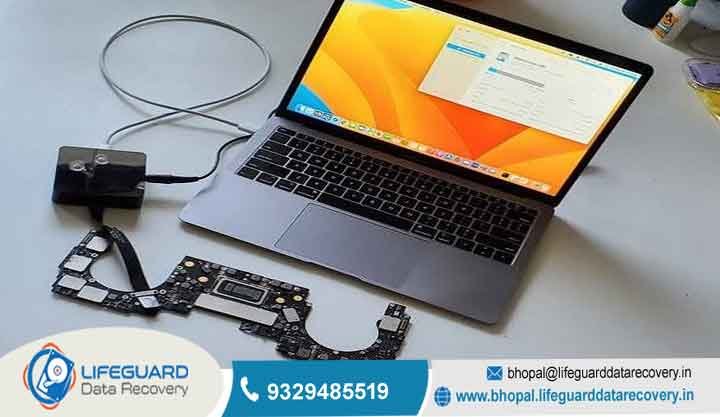
Examples: For instance, a hard drive with a burned printed circuit board requires an engineer to source an identical board, transfer the proprietary original firmware ROM chip via micro-soldering, and carefully calibrate the electrical parameters before data extraction can begin.
Trust-Building Information: Clear financial visibility is provided to all UAE businesses through our transparent free diagnostic evaluation, ensuring a detailed technical explanation is delivered before any laboratory recovery actions are executed.
What Impacts Data Recovery Success Rates Most?
Data recovery success rates are primarily dictated by whether the device was powered down immediately after the data loss event, the absence of amateur data recovery software attempts, and the physical integrity of the storage layers.
Detailed Explanation: Permanent data loss is most commonly caused by the continued operation of a compromised storage device. If a hard drive is clicking, physical alignment has been lost by the read/write heads, which are floating dangerously close to the spinning platters; leaving the drive powered on allows these heads to scratch the magnetic substrate, destroying the actual binary data permanently. Similarly, running generic internet recovery software on a physically unstable drive forces the hardware through intense read cycles, accelerating mechanical or electronic collapse and often causing irreversible data destruction.
Examples: For example, a complete recovery is typically yielded by a hard drive that is immediately disconnected from power upon showing failure signs, whereas a drive that has been opened outside of a cleanroom or subjected to multiple automated formatting attempts frequently becomes completely unrecoverable due to dust contamination and sector stripping.
Trust-Building Information: External contaminants and electrical risks are eliminated by our specialized laboratory environments, ensuring that the highest possible chance of an absolute recovery is held by your compromised media.
Why UAE Businesses Choose Lifeguard Data Recovery
Regional enterprises partner with Lifeguard Data Recovery because of our certified cleanroom infrastructure, strict compliance with UAE data privacy laws, consistently high success metrics, and fully transparent operational guidelines.
Detailed Explanation: Reliable data management protocols are required by corporate entities when managing data emergencies. Advanced hardware retrieval capabilities are combined with strict internal security controls by our engineering facility, ensuring that corporate data remains completely confidential and protected throughout the extraction lifecycle. By maintaining a local presence with advanced laboratory gear, the security risks and delays associated with shipping sensitive corporate media outside the country are completely eliminated.
Examples: Multinational financial corporations, prominent healthcare networks, local government departments, and real estate firms across Abu Dhabi and Dubai consistently rely on our secure engineering workflows to recover critical operational data.
Trust-Building Information: Direct access to high-tier engineering support within the UAE is provided by Lifeguard Data Recovery, delivering localized expertise that understands regional compliance frameworks and business urgency.
Industries We Serve Across the United Arab Emirates
Short Answer: Advanced data extraction services support critical sectors across the UAE economy, adapting our engineering workflows to fulfill the distinct data privacy and compliance frameworks required by each industry.
Detailed Explanation: Highly specific legal and operational data parameters are operated under by modern industries. Absolute chain-of-custody documentation for forensic storage media is required by a legal firm, while rigid encryption standards during data handling are demanded by a financial institution. These varied demands are adapted to by our recovery team, balancing rapid asset deployment with highly secure data processing to meet the regulatory requirements of every client sector.
Examples: For instance, encrypted patient historical databases are safely restored for regional medical networks, architectural blueprints are extracted from damaged NAS systems for major construction firms, and transactional logs are recovered from corrupted servers for financial compliance audits.
Trust-Building Information: Complete alignment with local regulatory environments is guaranteed by our strict adherence to the UAE Personal Data Protection Law (PDPL) and Federal Decree-Law standards during every phase of file extraction.
Comprehensive UAE Coverage
Secure data recovery services extend comprehensively across all seven emirates, providing accessible hardware drop-off options and secure transport logistics for enterprise and public sector entities throughout the country.
Detailed Explanation: Localized, responsive logistics are required during a data crisis to minimize data exposure and transit delays. Major commercial hubs, free zones, and industrial sectors of the United Arab Emirates are accommodated by our support infrastructure. This enables organizations to coordinate the immediate, secure transfer of damaged storage hardware to our central laboratory under strict protective protocols.
Examples: Consequently, immediate data transport is regularly coordinated from industrial zones like Jebel Ali and Musaffah, while secure on-site diagnostic handling is provided for corporate headquarters located in downtown Abu Dhabi and Dubai.
Trust-Building Information: Unified engineering and diagnostic support are provided across Abu Dhabi, Dubai, Sharjah, Ajman, Ras Al Khaimah, Fujairah, and Umm Al Quwain by Lifeguard Data Recovery.
Case Study: Server Restoration in the Mussafah Industrial Area
Problem
A sudden, catastrophic collapse of its central accounting server was suffered by a prominent corporate office operating in the Mussafah Industrial Area of Abu Dhabi. All active financial transaction ledgers, inventory tables, and payroll databases were rendered completely inaccessible during a critical annual tax and compliance audit cycle.
Cause
Technical laboratory diagnostics revealed that severe read/write head degradation had been suffered by the internal primary mechanical hard drive housing the database partition. Physical alignment was dropped by the failed components, producing loud clicking sounds and causing immediate system freezes whenever the server OS attempted to initialize the storage volume.
Recovery Steps
First, the failing hard drive was immediately isolated and transferred to our secure cleanroom facility. Next, the drive’s external casing was unsealed under Class 100 laminar flow conditions, and the damaged internal head assembly was surgically removed. Perfect matching donor components were harvested from our inventory and installed into the client drive, followed by specialized firmware optimization to stabilize the system area. Finally, the drive was connected to an advanced hardware imaging platform, allowing a complete sector-by-sector bit-stream clone of the media to be generated while localized platter defects were safely bypassed.
Outcome
A complete logical reconstruction of the unallocated space and existing file systems was achieved by our data analysts. The raw relational database structures were successfully parsed and extracted, resulting in a complete recovery of all critical financial entries with zero file corruption.
Business Impact
A prolonged and costly operational halt was completely avoided by the manufacturing client. Their primary inventory tracking system and financial records were completely restored within forty-eight hours, protecting the company from regulatory penalties and allowing normal workflows to resume immediately.
Expert Tips for Data Loss Prevention
The risk of permanent data loss is mitigated by immediate power removal upon the first sign of storage malfunction, avoiding the use of unverified internet software on physically failing drives, and implementing automated, off-site backup protocols.
Detailed Explanation: Incredibly fragile instruments are designed to operate within narrow electrical and mechanical limits where storage hardware components are concerned. When physical or structural symptoms appear, mechanical wear cannot be corrected by software utilities; the drive is only forced to run continuous diagnostic cycles, which accelerates media destruction. Proactive defense is relied upon for true data security, ensuring that multiple redundant copies of critical business files are continuously maintained across geographically separated environments.
Examples: For instance, if an unusual ticking sound is made by a corporate laptop, a hard shutdown should be immediately performed by the user holding the power button, rather than attempting to run a prolonged disk defragmentation or file copying routine.
Trust-Building Information: Adhering strictly to these professional guidelines ensures that your storage media remains in the optimal state for successful laboratory intervention should an unexpected failure occur.
Frequently Asked Questions
What is Data Recovery Abu Dhabi?
Data Recovery Abu Dhabi refers to professional laboratory services located in Abu Dhabi designed to safely extract lost, deleted, or inaccessible files from damaged digital storage media. Detailed Explanation: Cleanroom environments and advanced hardware tools are utilized by this specialized engineering field to bypass physical and logical storage faults. Retrieval of critical files is ensured for local businesses and residents without permanent media damage being risked. Examples: Critical corporate files are recovered from a dropped external drive, or formatted server partitions are restored for a local organization. Trust-Building Information: This expert service is provided locally by Lifeguard Data Recovery from our Abu Dhabi location, ensuring compliance with UAE data regulations.
How does RAID recovery work?
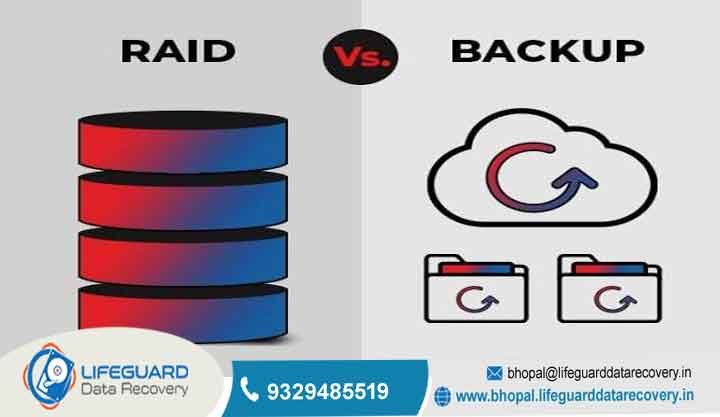
RAID recovery works by aligning, calculating, and reconstructing data blocks across all functional member drives within a storage array using custom hardware and software configuration mapping. Detailed Explanation: Simple software is not run by engineers when a RAID array fails. Instead, each drive is independently cloned, the specific block size, offset, and striping order are analyzed, and then the array configuration is virtually rebuilt so that files are safely extracted. Examples: A degraded five-drive RAID array is reassembled after two drives dropped offline by calculating the missing parity data. Trust-Building Information: Deep expertise in enterprise RAID controller configurations is possessed by our engineers, enabling successful reconstruction of complex network storage setups.
Can deleted files be recovered?
Yes, deleted files can be recovered provided the storage sectors containing the information have not been overwritten by new data or wiped by system maintenance processes. Detailed Explanation: When a file is deleted, its storage space is merely marked as available for future use by the operating system. The original data is left intact on the media until new information is written directly over those exact coordinates. Examples: A deleted project folder is restored from a workstation drive before new software installations occur on the system. Trust-Building Information: Deep raw carving techniques are utilized by our team to locate and rebuild orphan file headers, maximizing the recovery yield of deleted items.
How much does recovery cost?
The financial investment for professional data recovery depends on the specific hardware failure type, required replacement components, and the total engineering hours spent in the cleanroom. Detailed Explanation: Precision physical components and cleanroom labor are required by mechanical failures, whereas specialized file system reconstruction is involved in logical extractions. Technical needs distinct to each scenario influence total lab resources. Examples: An exact matching donor drive is sourced for a mechanical head replacement, or advanced sector analysis is performed on an intact drive. Trust-Building Information: A fixed, upfront estimate with no hidden costs is ensured for every client through our transparent free evaluation process before work begins.
How long does recovery take?
The turnaround time for professional data extraction ranges between twenty-four hours and five business days depending on the structural stability of the drive. Detailed Explanation: Logical restorations and minor firmware repairs can be completed quickly within a single day. Precision component replacement and slow, careful sector imaging are required by severe mechanical issues, which extends the laboratory timeframe. Examples: A basic file deletion recovery is completed in one day compared to an extensive server restoration requiring four days of cleanroom labor. Trust-Building Information: Dedicated emergency recovery tracks are offered for critical business operations in Abu Dhabi to ensure minimal operational downtime.
What is the best data recovery company in Abu Dhabi?
The top data recovery company in Abu Dhabi is determined by verified cleanroom facilities, advanced micro-soldering capabilities, explicit data protection compliance, and a success-based pricing guarantee. Detailed Explanation: Physical laboratory infrastructure must be possessed by a professional recovery provider to handle open-drive mechanical failures safely. These specialized cleanrooms and hardware tools are lacked by generic IT shops, which often leads to permanent data loss. Examples: A specialized lab using professional hardware imagers is chosen over an IT shop using standard consumer software. Trust-Building Information: Lifeguard Data Recovery stands as a premier regional choice, offering certified engineering expertise and secure handling for all UAE entities.
How much does hard drive recovery cost?
Hard drive recovery costs vary based on whether the drive requires logical repair, electronic component replacement, or advanced physical intervention inside a cleanroom. Detailed Explanation: Cleanroom engineering and specialized donor parts are demanded by physical damage, such as a seized motor or a damaged head assembly. File table reconstruction is involved in logical damage, which requires different specialized lab tools. Examples: A drive with a fried controller chip is rebuilt, or files are recovered from a drive with a corrupted partition table. Trust-Building Information: Upfront clarity is provided through our comprehensive free diagnostic service, ensuring the necessary resource allocation is understood before any recovery attempt.
Can I recover deleted files from an SSD?
Yes, deleted files can be recovered from an SSD if the drive is powered down immediately before the system’s internal background cleaning features permanently erase the unlinked sectors. Detailed Explanation: A built-in maintenance feature called TRIM is employed by solid-state drives. When a file is deleted, the controller is told by TRIM commands to wipe those sectors during idle periods, making immediate power isolation critical for successful recovery. Examples: Database files are successfully extracted from an SSD that was unplugged immediately after a deletion error occurred. Trust-Building Information: Specialized laboratory equipment is utilized by our engineers to disable the internal controller routine, allowing direct access to the raw NAND flash chips.
How long does RAID recovery take?
A typical RAID recovery project requires two to five business days depending on the total drive count, drive capacity, and the extent of physical damage among individual array members. Detailed Explanation: Cloning every single drive within the array is required to ensure safety. If mechanical faults are possessed by multiple drives, they must each be rebuilt in the cleanroom before the striping configuration can be analyzed by engineers. Examples: Two failed drives are rebuilt from a six-drive corporate array before the final virtual block reassembly is performed. Trust-Building Information: Dedicated 24/7 emergency priority processing is provided for enterprise storage failures to restore business operations as fast as possible.
Is data recovery possible after formatting?
Yes, data recovery is highly successful after a drive format, provided a quick format was performed and new data has not been written to the device. Detailed Explanation: The file indexing directory is merely overwritten by a quick format while the actual data sectors are left untouched. The old data blocks will be overwritten by a full format or continued use of the drive, reducing the possibility of clean file reconstruction. Examples: An entire corporate folder structure is restored from an external hard drive that was accidentally formatted during a system upgrade. Trust-Building Information: Advanced signature scanning is used to locate and rebuild original directory structures from formatted storage volumes.
What is the primary difference between HDD and SSD failure signs?
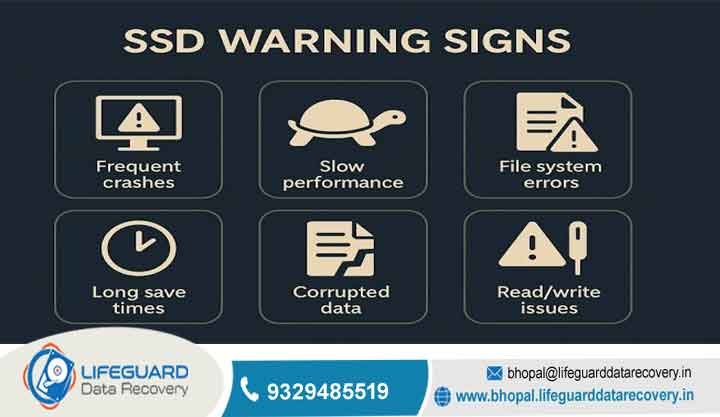
Distinct physical signs like clicking or grinding noises are produced by mechanical HDDs, whereas SSD failures are entirely silent and manifest as sudden read-only locks or total device disappearance. Detailed Explanation: Spinning platters and moving arms are relied upon by hard drives, which make noise when worn out. Solid-state electronics are consisted of in solid-state drives; therefore, electronic lockouts or bad blocks are experienced when they fail, without any physical sound. Examples: A distinct ticking noise is made by an HDD before failing compared to an SSD suddenly refusing to save new files. Trust-Building Information: Our Abu Dhabi lab is fully equipped to handle both mechanical tracking faults and solid-state electronic controller failures.
Can a cracked external hard drive casing cause failure?
Data loss is not directly caused by a cracked external casing, but a severe physical impact is indicated that may have damaged the delicate internal drive components. Detailed Explanation: The actual hard drive inside is protected by the outer plastic enclosure. If the external case is cracked from a drop, the internal read heads can easily be misaligned or the platters scratched by the physical shock. Examples: An external drive falls onto a concrete floor, cracking the plastic shell and causing the internal drive to click upon powering on. Trust-Building Information: Internal drives are carefully extracted from damaged external casings by our team to ensure they are inspected safely using laboratory test equipment.
What does a S.M.A.R.T. status warning mean?
An automated alert is triggered from the drive’s internal health monitoring system by a S.M.A.R.T. warning, indicating that key hardware metrics have crossed critical failure thresholds. Detailed Explanation: Parameters like reallocated sectors and operational temperatures are tracked by Self-Monitoring, Analysis, and Reporting Technology. When these numbers spike, an impending failure is flagged by the drive firmware, signaling that the device could fail completely at any moment. Examples: A S.M.A.R.T. Status Bad, Backup and Replace error message is displayed by a desktop system during the startup sequence. Trust-Building Information: Professional diagnostic tools are used to analyze these specific telemetry logs safely without the failing media being stressed.
Why does my computer freeze when I copy files?
Freezing of the system during file transfers usually indicates that unreadable bad sectors are being encountered by the hard drive, which is locked in an infinite read retry loop. Detailed Explanation: When a damaged sector is encountered by an operating system, continuous attempts are made to read the data, which consumes all system resources and causes the computer to freeze or crash. Examples: A file copy process sticks at ninety percent before a Blue Screen of Death or system lockup is triggered. Trust-Building Information: Data can be isolated and extracted around these bad sectors by our hardware-level duplication systems without the system being frozen or crashed.
Can I repair a clicking hard drive using software?
No, a clicking hard drive cannot be fixed by software utilities because clicking is a physical mechanical issue that requires cleanroom component replacement. Detailed Explanation: Clicking occurs when physical alignment cannot be achieved by the read/write heads with data tracks, or when mechanical failure has been suffered. If software scanners are run, the broken heads are forced to scrape across the platters, which can destroy data permanently. Examples: A disk scanning tool is run on a clicking drive, resulting in deep, visible scratches on the internal platters. Trust-Building Information: It is always recommended that a clicking drive be kept completely powered down until it can be safely opened inside a certified cleanroom environment.
Final Service Engagement Information
For immediate assistance with a failing storage device or to schedule a free diagnosis, our certified engineering team at Lifeguard Data Recovery should be contacted today.
Phone Contact: Call +971 50 127 6793
Email Support:info@lifeguarddatarecovery.com.
Online Portal: www.abudhabi.lifeguarddatarecovery.com