+971 50 217 6793 Abu Dhabi, UAE info@lifeguarddatarecovery.com

How do businesses recover after data loss?
How Do Businesses Recover After Data Loss A Complete Restoration & Continuity Guide When catastrophic data loss strikes an enterprise, panic is the enemy of recovery. Whether caused by a sophisticated ransomware outbreak, an accidental database drop, or a physical server failure, the immediate hours following an incident dictate whether a business suffers a minor operational blip or permanent financial damage.
lifeguard Data recovery is not simply a matter of pressing “restore” on a backup file. It requires a structured, multi-stage framework: Containment, Assessment, Restoration, Validation, and Prevention. This guide walks enterprise executives, IT managers, and business owners through the technical, legal, and operational steps necessary to recover critical business data and fortify infrastructure against future disasters.
Understanding Business Data Loss Causes Scope and Financial Impact
To execute an effective business data recovery strategy, organizations must first understand the operational footprint of modern data loss. Data loss occurs whenever critical files, databases, or system configurations are rendered permanently inaccessible, corrupted, or destroyed.
Top Causes of Corporate Data Loss: From Ransomware to Hardware Failure
Data loss events stem from a variety of attack vectors and technical vulnerabilities:
Ransomware and Cyberattacks: Modern malware actively targets primary production data alongside local shadow copies and unsegmented network backups.
Human Error and Accidental Deletion: Human error such as misconfigured cloud buckets, accidental database drop scripts, or mismanaged privileges remains a leading cause of enterprise data loss.
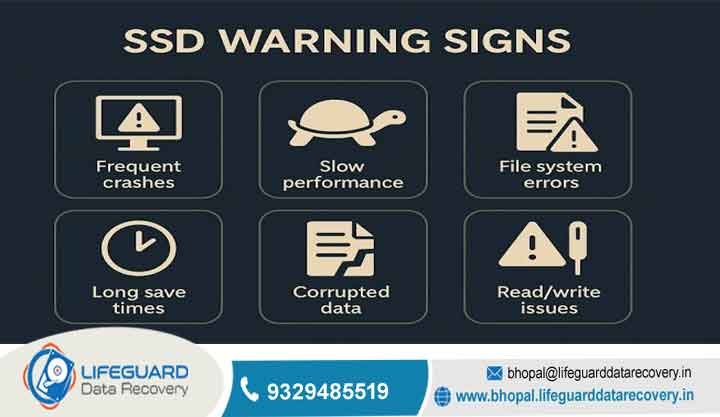
Hardware and Infrastructure Failures: Physical solid-state drive (SSD) wear, spinning hard disk drive (HDD) mechanical head crashes, and server motherboard failures account for millions in lost corporate assets annually. In complex storage environments requiring server data recovery, hardware degeneration can crash entire production lines.
Software and Database Corruption: Sudden power losses or flawed software patches can leave core relational databases (such as SQL Server or Oracle environments) with unreadable transaction logs.
Natural Disasters and Physical Hazards: Floods, electrical fires, and HVAC failures in on-premise server rooms physically destroy storage hardware beyond the scope of software utility fixes.
The True Cost of Downtime and Unrecoverable Information
According to industry statistics, the average global cost of a corporate data breach and accompanying data loss stands in the millions of dollars. However, the immediate cash outlay represents only a fraction of the total impact. The operational domino effect includes:
Idle Workforce Costs: Employees remain unable to process orders, service clients, or execute operations during system downtime.
Permanent Revenue Loss: E-commerce platforms, SaaS platforms, and transactional businesses lose immediate revenue for every minute primary systems remain offline.
Reputational Churn: Clients lose trust in organizations that cannot guarantee the safety and availability of their sensitive data, causing long-term customer churn.
Immediate Action Plan What to Do in the First 60 Minutes of Data Loss
When an incident is detected, the priority shifts immediately to data loss recovery for businesses through rapid containment. Executing the wrong triage step during the first hour can permanently overwrite recoverable storage blocks or spread malware across your entire enterprise network.
Containment and System Isolation
Disconnect Network Interfaces: Immediately unplug physical Ethernet cables and disable Wi-Fi/Bluetooth connections on all affected endpoints and servers.
Do NOT Power Off Blindly: For active malware attacks, avoid hard-powering off systems if possible without network isolation first. Powering off volatile RAM can destroy forensic evidence and encryption keys stored in memory.
Preserving Evidence and Halting Destructive Recovery Attempts
Stop Disk Utility Writes: Never download, install, or run unverified consumer data recovery utilities directly onto the drive experiencing data loss. Doing so overwrites deleted file pointers and raw data sectors.
Document System States: Take photos of error screens, note exact system timestamps, and export current firewall, hypervisor, and system event logs to an uninfected secondary drive.
Preserve Ransom Notes and Artifacts: If cybercriminals have encrypted your environment, preserve all demand notes, encrypted file extensions, and initial communication channels for law enforcement and digital forensics teams.
Activating Your Incident Response and Crisis Teams
Inform key internal and external stakeholders immediately via secure, out-of-band communication channels (e.g., dedicated corporate mobile phones rather than potentially compromised corporate email servers)
How Businesses Recover Data After a Loss Event
Once the immediate threat is contained, organizations can move systematically into data recovery after data loss using a structured methodology.
Assessing Recovery Objectives: Aligning RTO and RPO
Before initiating data restores, your technical team must evaluate two core parameters defined in your business disaster recovery documentation:
Recovery Time Objective (RTO): The maximum acceptable duration of system downtime your business can tolerate before incurring severe damage.
Recovery Point Objective (RPO): The maximum age of data that must be recovered from backup storage for normal operations to resume (e.g., an RPO of 1 hour means you can afford to lose at most 1 hour of transactional data).
Aligning these metrics ensures that IT teams prioritize critical revenue-generating infrastructure—such as customer databases or primary ERP systems—over non-essential files during the initial restoration phases.
Restoring from Immutable Backups and Cloud Snapshots
If clean, uncorrupted backup archives exist, executing a restore is the fastest path to achieving business continuity after data loss:
Verify Backup Integrity: Run checksum tests on your backup archives to confirm they have not been tampered with or infected.
Provision Isolated Sandbox Environments: Restore backup snapshots into a segmented, non-production sandbox environment first to confirm system stability.
Perform Staged Rollouts: Deploy recovered operating systems and file trees back to production hardware in prioritized phases based on your RTO hierarchy.
Server Database and RAID Data Reconstruction
Complex enterprise environments often experience partial corruption rather than total volume loss.
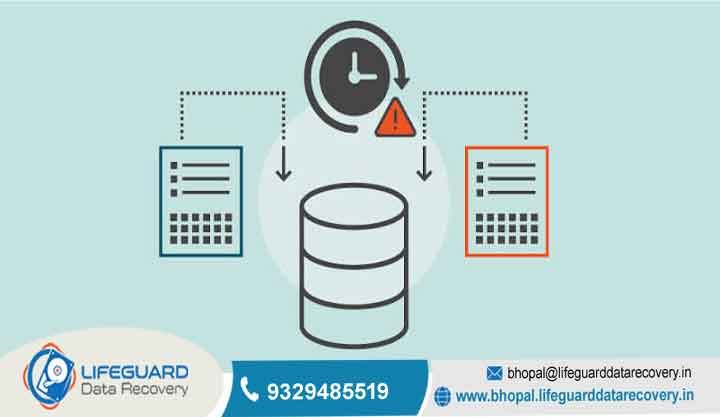
Database Recovery Services: For corrupted database management systems (DBMS), specialists utilize transaction log replay utilities, point-in-time recovery scripts, and page-level repair routines to reconstruct damaged tables without overwriting intact operational data through managed database backup and recovery solutions.
Engaging Professional Cleanroom Data Recovery Services
When storage drives suffer physical mechanical failure (e.g., clicking hard drive spindles, fried PCB boards, or physical water damage), software-based recovery attempts will fail and can cause permanent disk head crashes.
In these situations, organizations must utilize professional data recovery solutions. Drive media is securely transported to certified ISO-Class 5 cleanroom laboratories. There, micro-engineers replace damaged internal components, read raw magnetic platters using specialized hardware imaging devices, and extract critical business data recovery targets directly from physical media sectors through professional RAID data recovery experts.
Regulatory Legal and Compliance Requirements Following Business Data Loss
Modern data recovery extends far beyond technical IT operations. For enterprise organizations, navigating the legal landscape is mandatory to avoid catastrophic fines and litigation.
Breach Notification Timelines and Forensic Documentation
GDPR (European Union/UK): Requires organizations to report personal data breaches to relevant supervisory authorities (e.g., the ICO in the UK) within 72 hours of becoming aware of the incident if high risks to individual rights exist.
HIPAA (United States Healthcare): Mandates covered entities to notify the Department of Health & Human Services (HHS) and affected individuals without unreasonable delay, and no later than 60 calendar days after discovering a breach of protected health information (PHI).
State-Level Breach Notification Laws: U.S. states enforce stringent reporting frameworks requiring formal disclosure to affected consumers and state Attorneys General within specific windows.
Working with Cyber Insurance and External Forensics
Prior to altering, restoring, or wiping compromised servers, contact your commercial cyber liability insurance carrier. Insurance policies frequently require:
Utilization of pre-approved third-party forensic firms to establish root causes.
Preservation of digital chain-of-custody evidence prior to system overwrites.
Formal consent before committing to third-party corporate data recovery lab service expenditures or ransomware negotiations.
Post-Recovery Validation: Testing Integrity Before Full Operations Resume
Never reconnect newly restored systems directly to your production network without rigorous post-recovery validation testing.
Verifying File Integrity and Database Consistency
Checksum and Hash Comparisons: Compare cryptographic hashes (e.g., SHA-256) of restored files against baseline pre-incident records to confirm data authenticity.
Database Consistency Checks (DBCC): Run comprehensive logical and physical consistency scripts (such as in SQL Server environments) to identify orphan tables, page corruption, or broken foreign key links.
User Acceptance Testing (UAT): Have department leads log into isolated test environments to manually verify that recent transactions, client records, and core application workflows execute correctly.
Establishing Zero Trust Architecture and Automated Incident Monitoring
Identity Controls & Least Privilege: Enforce Multi-Factor Authentication (MFA) and strict Role-Based Access Control (RBAC) across all storage appliances, cloud environments, and backup infrastructure.
Endpoint Detection and Response (EDR): Deploy AI-driven EDR agents across all enterprise endpoints to detect anomalous mass file modifications or unauthorized encryption commands in real time.
Schedule Regular Disaster Recovery Drills and Plan Revisions
A disaster recovery plan is only as reliable as its last successful test. Conduct quarterly simulated disaster drills including full failover tests of mission-critical systems to offsite environments and update key personnel contact sheets, vendor SLAs, and technical documentation routinely.
Frequently Asked Questions About Business Data Recovery
How long does business data recovery usually take?
Recovery timelines vary significantly depending on the volume of data, storage architecture, and cause of loss. Simple file restores from local immutable snapshots can take minutes to hours. However, enterprise-wide enterprise data recovery following a complex ransomware attack or physical server crash can take anywhere from several days to two weeks to safely audit, rebuild, and validate.
Can data be recovered after a ransomware encryption attack?
Yes. Data can be recovered without paying a ransom if your organization maintains uninfected, immutable, or air-gapped backups. If backups are compromised, recovery may depend on whether security researchers have developed public decryption keys for the specific ransomware strain, or if specialized digital forensics teams can extract residual unencrypted files from system shadow storage and unallocated drive space.
What is the difference between data backup and disaster recovery?
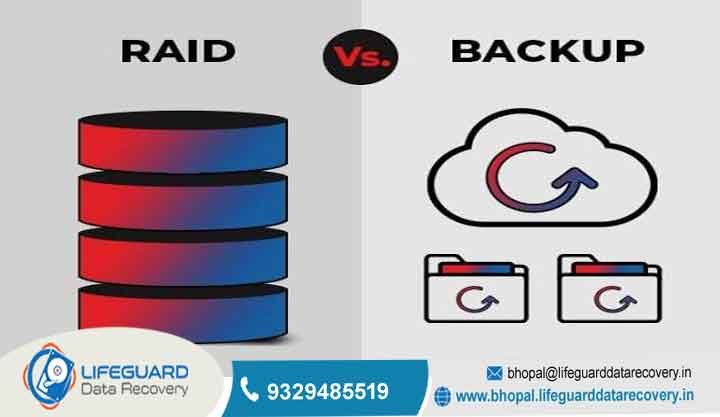
Data backup is the operational process of creating and storing secondary copies of your files. Disaster recovery is the overarching strategic framework comprising policies, tools, scripts, and personnel workflows—designed to restore those backup copies, recover IT infrastructure, and resume core business operations following a major outage.
How much do professional business data recovery services cost?
Costs depend on the complexity of the storage environment, drive capacity, and severity of physical or logical damage. Standard software-level database reconstruction or remote server repairs typically range from several hundred to a few thousand dollars. Complex physical cleanroom recoveries or emergency multi-drive RAID data recovery for enterprise storage arrays can cost anywhere from $2,000 to $10,000+ per engagement.