+971 50 217 6793 Abu Dhabi, UAE info@lifeguarddatarecovery.com

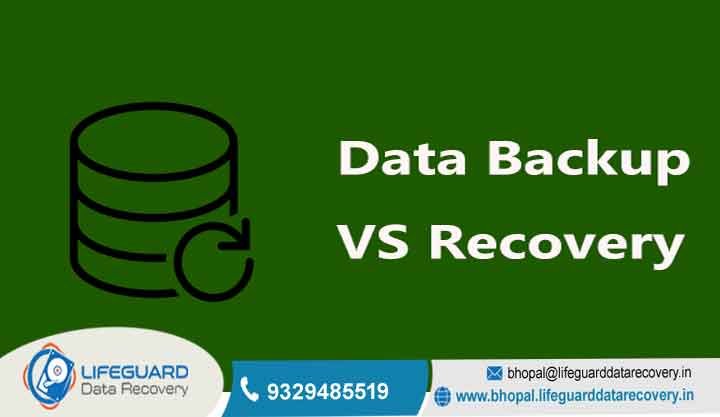
What is the difference between backup and recovery?
What is the Difference Between Backup and Recovery Complete Guide In modern information technology and enterprise data management, data backup and data recovery are frequently used interchangeably. Many organizational leaders assume that because their IT department regularly executes automated backup routines, their business is completely protected against data loss, operational downtime, and cyber threats
lifeguard datarecovery While backup and recovery are inherently linked within an enterprise data protection framework, they refer to fundamentally different technical processes, operational objectives, and strategic paradigms:
Data Backup is the proactive, preventive practice of capturing, compressing, versioning, and storing duplicate copies of digital assets across isolated secondary storage environments.
Data Recovery is the reactive, event-driven workflow of identifying, extracting, validating, and reinstating those saved data points back into a live, functional production state following a system outage, human error, hardware failure, or cyberattack.
Having petabytes of encrypted, well-structured backup data provides zero business utility if your engineering team lacks a validated mechanism to restore those files quickly enough to prevent financial collapse. Conversely, even the most sophisticated recovery orchestration software is completely useless without a clean, uncorrupted backup repository to serve as its foundation.
Understanding the precise differences between backup and recovery is not merely a matter of terminology—it is a core prerequisite for designing resilient systems, meeting regulatory compliance standards, defending against modern ransomware, and ensuring long-term business continuity.
Overview: Defining Core Data Protection Principles
To build an effective risk mitigation framework, IT architects and business leaders must separate the storage of static copies from the dynamic restoration of live applications
What is Data Backup?
A data backup is an independent, point-in-time copy of files, transactional databases, operating systems, configuration settings, or virtual machine disk images saved to secondary storage.
The primary objective of a backup regime is data retention, integrity, and preservation. Backups protect enterprise records against accidental deletion, file corruption, software bugs, storage array failure, or malicious destruction. A robust backup system ensures that historical state data remains available across weekly, monthly, or multi-year retention windows to satisfy both internal governance and external regulatory mandates.
Key characteristics of backups include
Automation & Frequency: Executed continuously or on a strict schedule (e.g., every 15 minutes, daily, or weekly).
Storage Optimization: Processed through deduplication, block-level compression, and encryption algorithms to minimize physical storage footprints and prevent unauthorized access.
Isolation: Stored separately from primary production systems often utilizing immutable storage tiers or air-gapped networksto ensure that a compromise of the main network does not infect the backup files.
What is Data Recovery?
Data recovery is the operational process of extracting backed-up or archived data and restoring it to its original location or an alternative live infrastructure.
While backup focuses on holding data securely, recovery focuses on bringing applications back to life. It encompasses the complex technical procedures required to convert raw, compressed storage blocks into functional database tables, active virtual machines, and accessible file systems.
Key characteristics of recovery include
Event-Driven Execution: Initiated specifically in response to an operational anomaly, system failure, data corruption event, or disaster declaration.
System Orchestration: Requires active compute resources, network re-routing, DNS updates, dependency mapping, and database transaction consistency checks.
Time Sensitivity: Governed strictly by business service-level agreements (SLAs) regarding acceptable downtime and lost productivity.
Core Comparison Backup vs. Recovery
While backup and recovery work together toward business continuity, they differ across every operational dimension:
Proactive Preservation vs. Reactive Restructuring
The fundamental difference lies in their operational triggers. Backups run routinely according to predetermined policies, operating independently of whether the company is facing an operational crisis or smooth sailing
Data Copies at Rest vs. Operational Systems in Motion
A common misconception is treating a backup repository as an operational hot-standby. Backup data is strictly data at rest compressed, packaged, and formatted specifically for efficient long-term storage.
Recovery is the transformative bridge that takes that static data at rest and turns it into data in motion and compute in action, reconnecting application layers to active databases and end-user endpoints.
Causes & Scenarios When Do You Need Backup vs. When Do You Need Recovery?
Discerning when to execute backup workflows versus when to trigger recovery protocols is essential for efficient IT management.
Primary Drivers for Executing Data Backups
Businesses execute backups continuously to prepare for eventual disruptions and fulfill corporate governance obligations:
Regulatory Compliance & Audit Retention: Laws like HIPAA, SOC 2, PCI-DSS, ISO 27001, and GDPR mandate strict historical retention periods for financial, healthcare, and customer records.
Protection Against Silent Data Corruption: Hardware degradation (such as bit rot) can subtly corrupt primary storage blocks. Frequent, versioned backups allow engineers to retrieve clean historical states.
Version History Preservation: Developers and content creators routinely require historical states of source code, design files, or application configurations to revert unwanted changes or test previous builds.
Building Ransomware Air-Gaps: Regularly pushing data snapshots to isolated, immutable environments ensures that an active cyber intrusion cannot wipe out the organization’s entire historical footprint.
Primary Triggers Executing Data Recovery
Accidental Human Error: A system administrator mistakenly executes a script that drops a critical database table or deletes a core shared file directory.
Ransomware and Cyberattacks: A malicious entity encrypts local file systems and network drives. Recovery requires isolating the network, clearing malware, and restoring clean baseline images.
Hardware and Infrastructure Crashes: Storage controller failure, RAID array degradation, or server power supply burnout renders primary disks unreadable.
Physical Disasters: Extreme weather events, fires, or utility failures knock out an entire physical data center, requiring system restoration in a secondary cloud environment or remote site.
Architectural Breakdown: Types of Backups and Recovery Methods
Aligning backup architectures with the correct recovery technique is critical for meeting business recovery expectations without overspending on infrastructur
Target Point-in-Time Selection
Engineers evaluate system logs and backup metadata to select the optimal point-in-time snapshot. The chosen target snapshot must be recent enough to satisfy RPO requirements while predating the initial system breach, script error, or hardware failure.
Isolated Sandbox Verification & Malware Scanning
Modern incident response standards strictly forbid restoring backup snapshots directly into production networks without prior validation. Automated security tools run deep heuristic malware scans, script-injection checks, and database health audits to verify that the snapshot contains zero dormant ransomware strains, logical corruption, or backdoors.
System Orchestration & Environment Restore
Once verified clean, the recovery orchestration platform initiates system restoration. Depending on the scale of the outage and defined RTO targets, this step may involve:
Executing an instant VM spin-up directly from secondary cloud storage.
Deploying a bare-metal image to newly provisioned physical server racks.
Executing granular database transaction log restores to bring point-in-time states up to the minute.
Critical Distinctions: Data Recovery vs. Disaster Recovery (DR)
Another frequent point of confusion in enterprise planning is conflating Data Recovery with Disaster Recovery
Data Recovery is a specialized, technical component focused specifically on bringing lost, deleted, or corrupted files, databases, and system images back to an operational state.
Disaster Recovery (DR) is an overarching organizational discipline and strategic framework. DR accounts for the entire operational landscape required to survive a major crisis—including physical data center reduntant infrastructure, automated network routing, emergency power generation, employee communication protocols, regulatory reporting, vendor SLAs, and supply-chain logistics.
Data recovery provides the technical mechanisms to reinstate system states, while Disaster Recovery provides the strategic blueprint that ensures the business survives as an operating entity.
Immutable Storage Repositories & Object Locking
Modern cyberattacks specifically target backup servers, attempt to delete volume shadow copies, and purge secondary storage before triggering primary encryption routines.
Deploying immutable storage leveraging WORM (Write-Once-Read-Many) models or S3 Object Locking blocks all modification or deletion requests at the storage hardware layer, rendering backup data impervious to administrative credential leaks or ransomware execution.
Continuous Recovery Assurance
A backup job that reports Successful Completion” in an administrative console provides no guarantee that the enclosed operating system will boot or that its database will mount properly. Organizations must implement automated recovery verification platforms that routinely spin up backup snapshots in background virtual sandbox environments, execute synthetic user transactions, verify application integrity, and alert admins to silent corruption issues before an outage strikes.
Frequently Asked Questions (FAQs)
Can you recover data without having a pre-existing backup?
Yes, but only through complex, costly, and unprovable forensic data recovery procedures. If physical drive heads fail, flash controllers corrupt, or storage arrays degrade without a backup, hardware specialists must disassemble the physical drives in cleanroom environments to replace components or scrape raw bit patterns directly from storage platters. This process is extremely expensive, can take weeks, and offers no guaranteed success compared to executing a simple system restore from a validated backup copy.
Is cloud synchronization (e.g., OneDrive, Google Drive, Dropbox) considered a true backup?
No. Cloud synchronization tools are designed to reflect local system changes across connected end-user devices in real time. If a local file is infected with ransomware, accidentally overwritten, or deleted, that change instantly propagates across all synchronized endpoints and cloud shares.
How frequently should an enterprise test its data recovery workflows?
Organizations should execute automated, isolated file-level restore verifications daily. Full-scale disaster recovery drills—involving complete application stack failover, network re-routing, and business process validation—should be conducted at least quarterly or bi-annually to account for infrastructure modifications, software updates, and organizational personnel changes.
What is the core difference between data backup and data archiving?
Backups are designed to facilitate rapid recovery of active, operational data in response to system failures or security incidents. Data archiving focuses on the long-term, cost-effective retention of static, inactive data that must be preserved for legal discovery, regulatory compliance, or historical record-keeping, often stored in cold, higher-latency storage tiers.