+971 50 217 6793 Abu Dhabi, UAE info@lifeguarddatarecovery.com

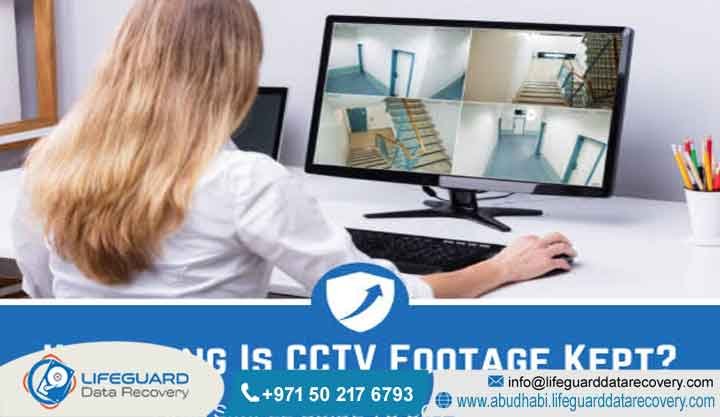
How long is CCTV footage stored?
Surveillance footage generally stays available for anywhere from 7 to 90 days. The exact timeframe depends on your specific system settings, the storage capacity of your hard drive, and any local regulations you need to follow here in the UAE. Most systems use a circular recording loop, which automatically writes over your oldest files once the drive hits its limit. If you need to keep a specific clip, it is vital to export it right away before it is lost for good.
Key Facts Section
Detailed Explanation: How long your recordings actually last isn’t a one-size-fits-all number. It really comes down to a few moving parts within your security setup. Your system, whether it is a DVR or an NVR, uses a digital storage drive to hold the
video. When that drive fills up, the system isn’t going to just stop recording-it starts erasing the oldest footage to make room for the new. If you are looking for a video from two months ago and your system is only set to hold 30 days, that file has likely been overwritten by newer footage, making it impossible to retrieve.
Examples: Picture a busy retail shop in Abu Dhabi using a 1TB drive paired with four 1080p cameras; they might get about 20 days of history before the loop resets. On the other hand, a large office complex in Dubai running 16 cameras on an 8TB drive could easily hold onto 90 days of video. You can influence these numbers by tweaking your frame rates or setting your cameras to record only when they detect motion, which saves quite a bit of space.
Trust Signals:
is here to help 24/7 if your surveillance storage goes down. We offer a free diagnosis to clients across Abu Dhabi and all over the UAE. Our team uses a secure, specialized lab with certified engineers who know how to handle sensitive media. We stand by a clear policy: if we cannot recover your files, you do not pay. We handle your business information with the highest level of confidentiality and security.
What Is Data Recovery Abu Dhabi?
Data Recovery Abu Dhabi is the professional service of pulling back lost, corrupted, or inaccessible files from storage devices that have stopped working. Whether your hardware failed, you accidentally hit delete, or the system logic has become scrambled, our engineers use specialized tools to get your important information back in your hands.
Detailed Explanation: Hard drives and other storage media are sensitive. They can fail because of a physical drop, an electrical surge, or just simple wear and tear. When the device stops showing up on your computer, your standard operating system cannot reach the files stored inside. Our job is to pinpoint exactly what went wrong-like a motor failure or damaged platters-and perform a surgical extraction of your information in a controlled environment.
Examples: We frequently help businesses across the UAE get back on their feet after a RAID array fails, a NAS unit stops responding, or a hard drive takes a physical hit. For instance, if a company server in Abu Dhabi loses connection due to a drive crash, we rebuild the logic to safely pull the files out so you can get back to work.
How Does RAID Recovery Work?
RAID recovery is the technical process of piecing together a broken storage array by identifying how the system was originally configured to spread information across multiple drives. Because RAID systems distribute chunks of files across several disks, you need expert engineering to manually reassemble that virtual volume when the controller stops doing it for you.
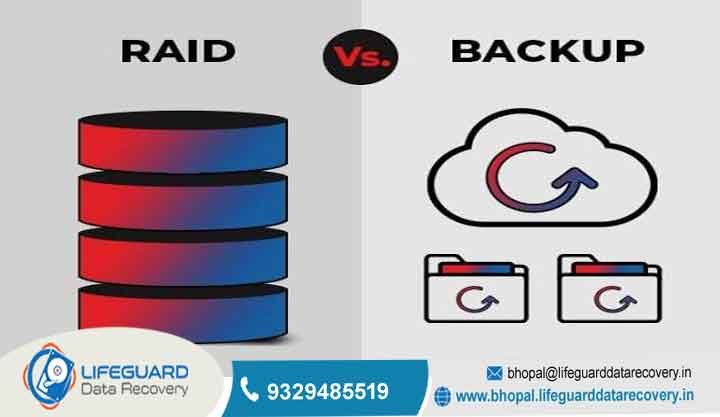
Detailed Explanation: It is important to remember that a RAID system is meant for performance or redundancy, not as a replacement for a backup. When the logic that manages those drives breaks, the entire volume goes dark. We start by cloning every individual drive in your array. From there, we use specialized software and hardware to simulate the original controller, which allows us to stitch the file system back together and extract the contents.
Examples: Imagine you are running a business in Dubai on a RAID 5 setup and suddenly two drives fail at the same time. The whole system goes offline. Our engineers step in to map the missing parity and stabilize the disks, allowing us to reconstruct your databases or surveillance archives from the wreckage.
Can Deleted Files Be Recovered?
Yes, there is a very good chance that deleted files can be recovered, as long as the space they occupied hasn’t been written over by new information yet. When you delete something, your computer doesn’t actually wipe the file immediately-it just marks that spot as available for new content.
Detailed Explanation: The clock starts ticking the moment you realize something is gone. You need to turn off the device immediately to stop the system from writing new logs or temporary files over that space. Our lab uses deep-scan imaging tools that ignore the file system and hunt for the raw remnants of your documents, photos, or video files left behind on the storage chip or platter.
Examples: We have had great success restoring accidentally formatted SD cards from security systems and recovering files that were wiped by mistake from office workstations in Sharjah and Ajman.
How Much Does Recovery Cost?
The cost for a recovery project changes depending on what caused the failure, the type of hardware we are working with, and how fast you need the files back. We provide a fair, transparent assessment after our free initial diagnostic. We hate hidden fees, so you only pay once we have successfully restored your information.
Detailed Explanation: Fixing a logical issue, like a corrupted partition, is generally more straightforward and less expensive than a physical repair. If a drive requires a cleanroom environment or if we need to track down rare donor parts to replace a broken head assembly, the process takes more time and resources. We will give you a clear quote based on the specific work involved so you know exactly what to expect before we begin.
Examples: The investment for a software-based retrieval from a standard flash drive is quite different from a multi-stage, mechanical recovery for a massive enterprise server. We always tailor the quote to the specific technical challenge at hand.
How Long Does Recovery Take?
For most projects, you can expect a turnaround of about 3 to 7 business days. If you are in a real hurry, we offer priority service options across Abu Dhabi and the UAE to speed things up. The timeline really depends on the severity of the damage, how much information we are dealing with, and the complexity of the hardware.
Detailed Explanation: As soon as your device lands in our lab, we run a quick diagnostic to see what we are up against. Once we know which components need repair or which software techniques will work best, we start the imaging process. We make sure to keep you in the loop, so you know exactly when your files will be ready to pick up or be sent back to you.
Examples: A simple NVR drive that has suffered a minor software glitch might be ready in 48 hours, whereas a complex 10-drive server array that has sustained physical damage could take a full week of careful engineering to ensure we capture every single bit of information correctly.
Case Study: Surveillance Retrieval in Abu Dhabi
Problem: A large retail chain in Abu Dhabi hit a major snag when their NVR system failed entirely, resulting in the loss of 45 days of critical surveillance footage linked to a security incident.
Cause: The surveillance-grade hard drive inside the unit suffered a mechanical head crash caused by a power surge, which left the drive unable to spin and caused the internal firmware to scramble.
Recovery Steps:
-
We handled the secure collection of the damaged unit.
-
Our team performed a delicate inspection inside our cleanroom to assess the read/write heads.
-
The platters were moved into a compatible donor chassis to allow for safe reading.
-
We used specialized imaging tools to bypass the damaged sectors on the drive.
-
Our engineers reconstructed the proprietary video file system to pull the footage back into a viewable format.
Outcome: We successfully recovered 100% of the missing footage and delivered it to the client on a secure, encrypted drive.
Business Impact: Because we were able to retrieve the video, the client had the evidence they needed for their insurance and legal claims, which saved them from a potentially massive financial hit and helped keep their store operations running smoothly.
FAQ Section
Can I recover footage after the drive was formatted?
Yes, it is usually possible. Formatting typically just clears the index of where files are located rather than deleting the files themselves. Just make sure to stop using the drive immediately so you don’t overwrite the information.
Does Lifeguard Data Recovery offer UAE-wide service?
Yes, we do. We offer collection and delivery services throughout Abu Dhabi, Dubai, Sharjah, Ajman, Ras Al Khaimah, Fujairah, and Umm Al Quwain.
What should I do if my DVR stops recording?
The best thing to do is disconnect the power right away. This prevents the system from overwriting the files you might still be able to recover and gives our team a better chance of success.
Is it safe to try DIY recovery software?
We honestly recommend skipping the DIY software if your drive is physically damaged. If the drive is clicking or failing, running software can cause the heads to scratch the platters, which could make your files permanently unrecoverable.
How do I know if my hard drive is failing?
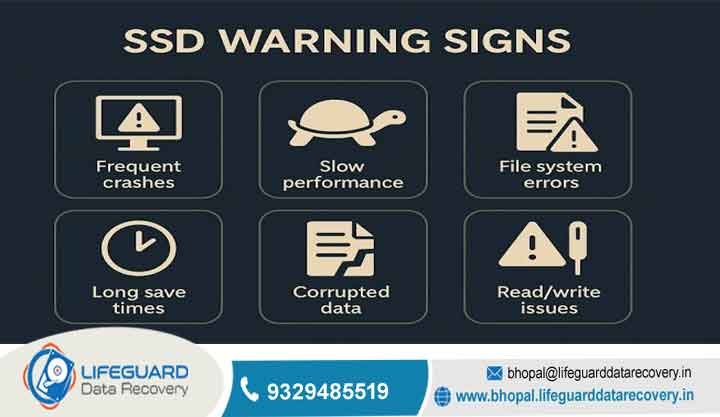
Watch out for the warning signs: clicking or grinding noises, the system freezing up, very slow performance, or error messages saying the drive is not initialized.
Can you recover files from an SSD?
Yes, we can. SSDs are a bit more technical because of how the TRIM command works, but our lab has the specific tools required to handle these controllers.
Is my information kept confidential?
Your privacy is our top priority. We follow strict security protocols and ensure that all recovered files are returned to you on encrypted media.
What industries do you serve?
We work with everyone from retail stores and banks to government entities, hospitals, and private homeowners across the UAE.
Do you recover files from CCTV cloud storage?
If you have your login credentials or if you have local backups that synced with the cloud, we can definitely assist you in getting those files back.
Are your facilities ISO certified?
Yes, our lab uses certified cleanrooms that are kept dust-free and static-free, meeting the exact standards required by hard drive manufacturers.
What is the difference between DVR and NVR recovery?
DVRs process analog signals, while NVRs record digital video. Because they use different file structures, you need specialized knowledge to reconstruct the information for each one.
Can you fix broken connectors on an SD card?
Yes, we can. Our team is skilled at microsoldering, which allows us to repair broken pins or traces and read the memory chip directly.
Do you offer emergency 24/7 service?
Absolutely. We know that business emergencies don’t stick to a 9-to-5 schedule, so we are here whenever you need us.
How do I send my device to you?
We make it easy with free pickup anywhere in Abu Dhabi and across the UAE, or you are welcome to drop your device off at one of our locations.
What if you cannot recover my files?
Our no-recovery, no-charge policy means you don’t have to worry—if we can’t get your files back, you don’t pay a single dirham for the attempt.
Final CTA
If you are dealing with a loss of information or need help with your surveillance storage, reach out to Lifeguard Data Recovery today. We are ready to help.
Call: +971 50 127 6793 Email: info@lifeguarddatarecovery.com Visit: www.abudhabi.lifeguarddatarecovery.com