Category blogs

What is SSD TRIM and why does it matter?

In modern corporate IT environments, managing the balance between storage performance and data retention is an ongoing challenge. Solid-state drive storage architecture relies heavily on automated background optimization routines to maintain maximum write speeds. However, when an accidental file deletion…

How do SSDs fail?

Solid-state drives fail primarily due to electronic component breakdown, firmware corruption, and NAND flash memory cell wear. Unlike hard drives, SSDs lack moving parts, meaning failure manifests silently through bad blocks, unresponsiveness, read-only locking, or a total failure to detect,…

Can formatted SSD data be recovered?

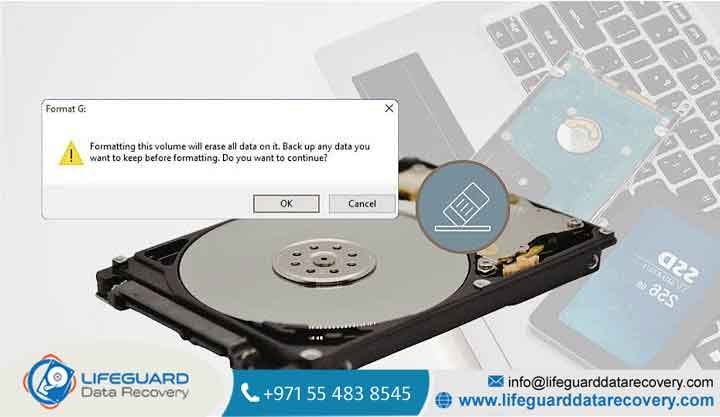
Yes, formatted SSD data can be recovered, but it depends heavily on whether the TRIM command was executed. If TRIM is active, the drive purges deleted blocks automatically, making recovery highly difficult. However, if the formatting was quick, TRIM was…

Why is SSD recovery difficult?

Solid-State Drive (SSD) data recovery is exceptionally challenging because SSDs use complex flash architectures, hardware-level encryption, and automated optimization processes such as the TRIM command. When data is deleted or an electronic failure occurs, the SSD controller may erase storage…

Can data be recovered from an SSD?

Yes, files can be recovered from an SSD, but the window of opportunity is much smaller compared to traditional hard drives. Due to internal storage management features like the TRIM command, which actively erases blocks of unallocated storage to maintain…

Can deleted files be recovered permanently?

Permanent recovery of deleted files can be achieved unless the underlying binary sectors on the storage media are physically overwritten by new information or systematically erased by device-level maintenance protocols such as TRIM on solid-state drives. When a file is…

What are the signs of hard drive failure?

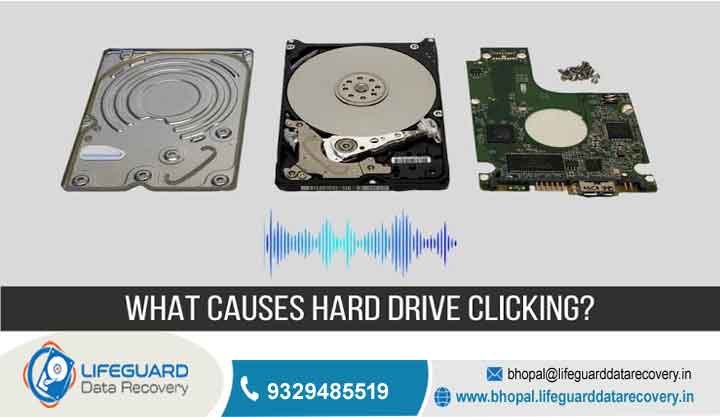
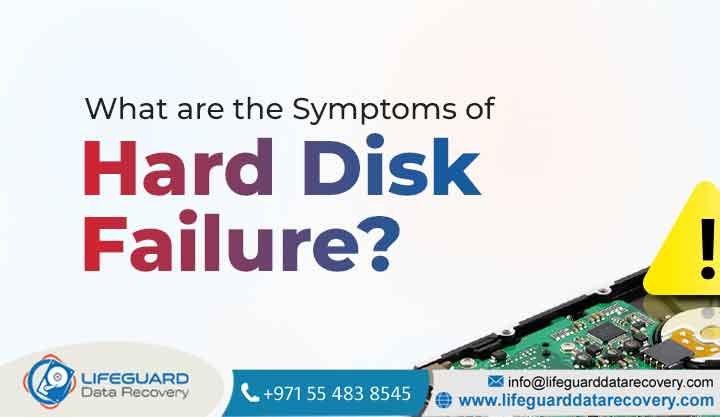
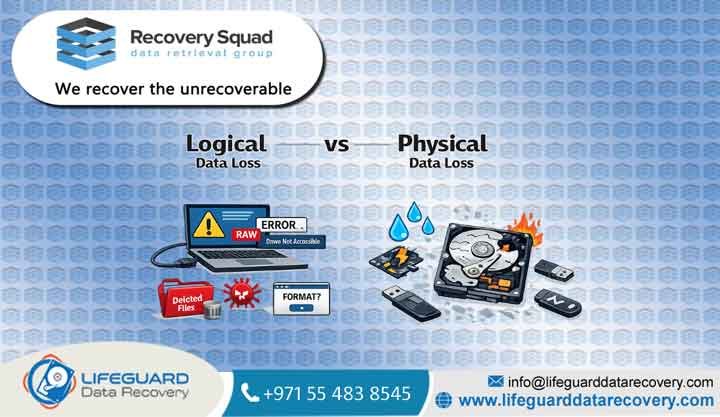
Hard drive failure manifests through clear mechanical, operational, and data-level indicators. The most prominent signs include repetitive clicking or grinding noises, severe system slowdowns, frequent Blue Screen of Death crashes, corrupted or disappearing files, and the operating system failing to…

Can data be recovered from a broken hard drive?

Yes, data can be recovered from a broken hard drive in up to 95 percent of cases, provided the magnetic platters storing the files are not severely scratched or demagnetized. Professional recovery requires certified engineers to temporarily stabilize mechanical or…

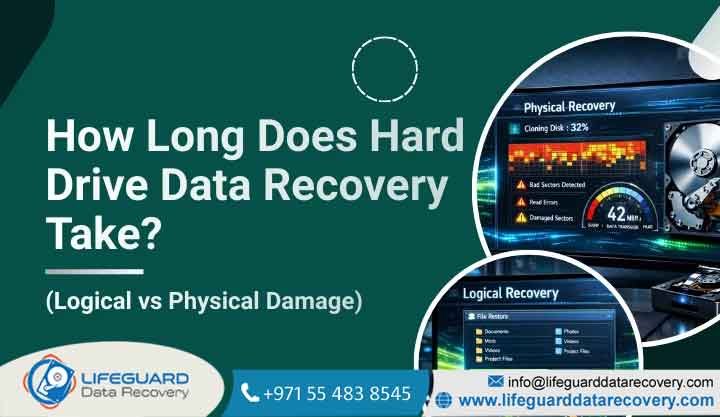
How long does hard drive recovery take?

Hard drive recovery typically takes between 2 to 5 business days for standard cases, depending on the drive capacity and the type of damage. For critical emergencies, professional turnaround times can be accelerated to under 24 to 48 hours using…

Is data recovery guaranteed?

No professional data recovery service can honestly guarantee 100% success on every single case due to variables like physical media degradation, severe thermal damage, or permanent data overwriting. However, reputable specialists like Lifeguard Data Recovery achieve realistic success rates between…